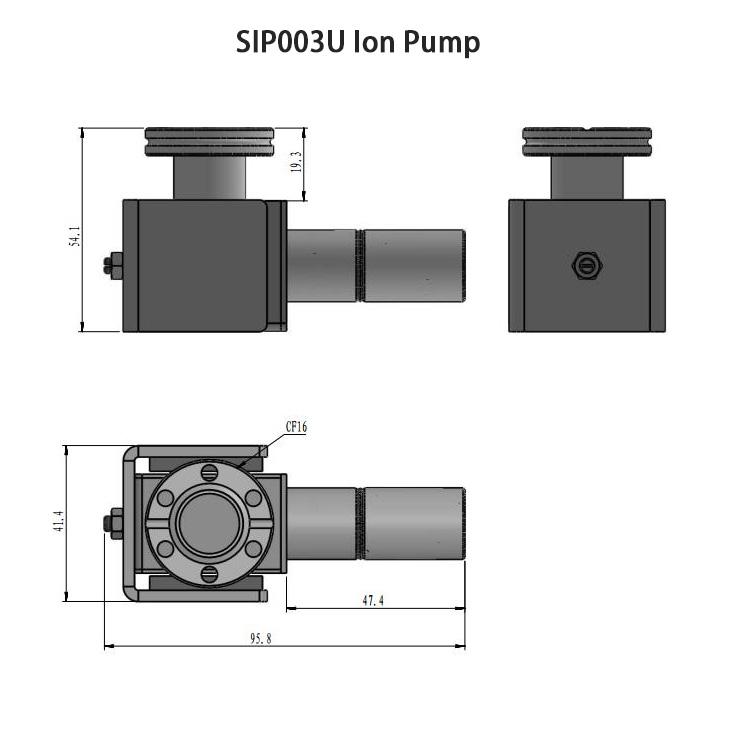
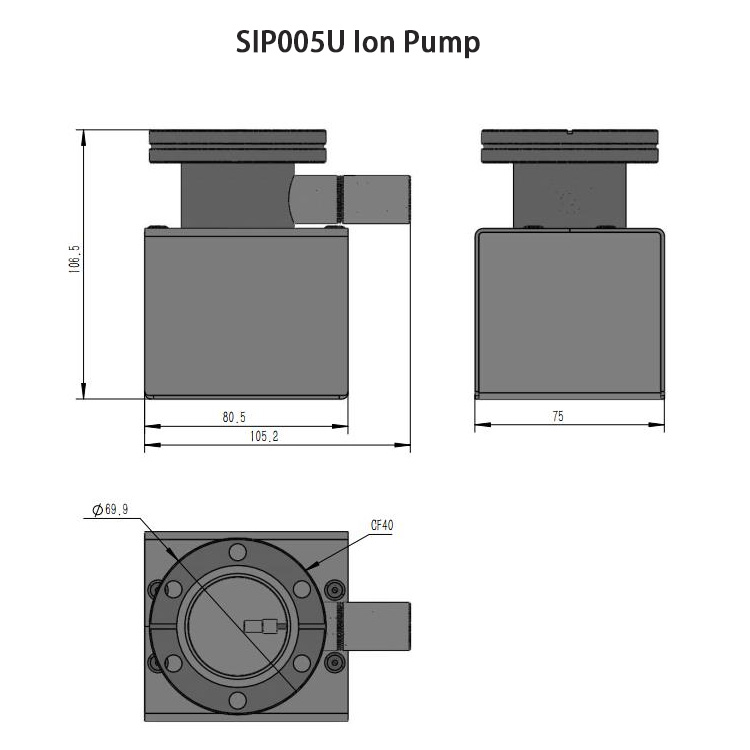
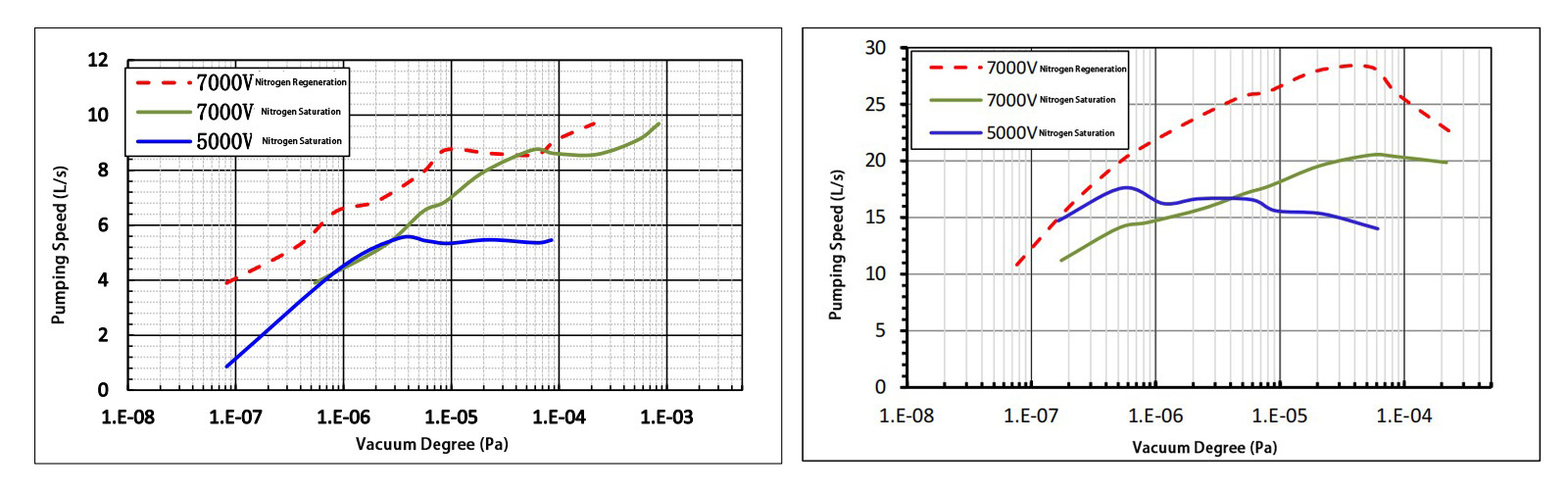
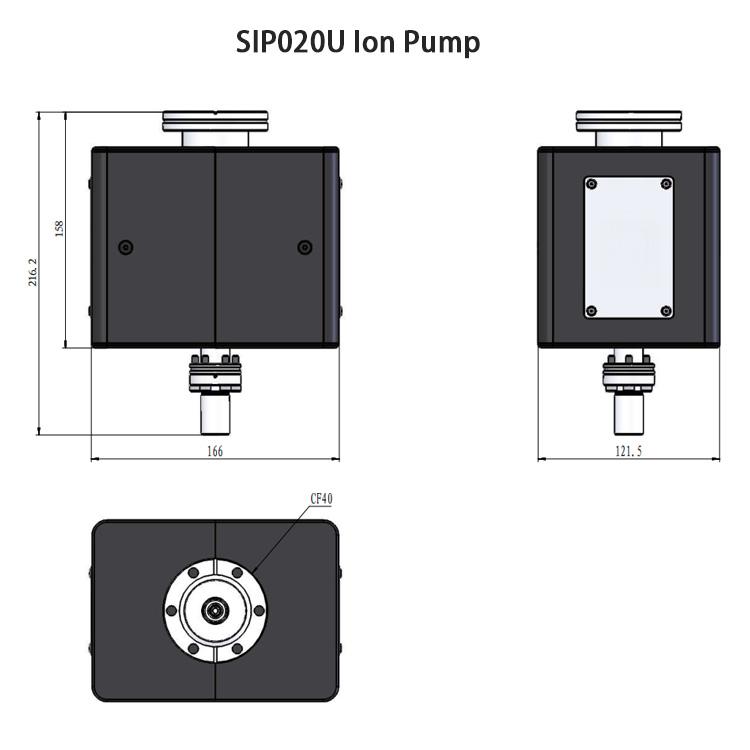
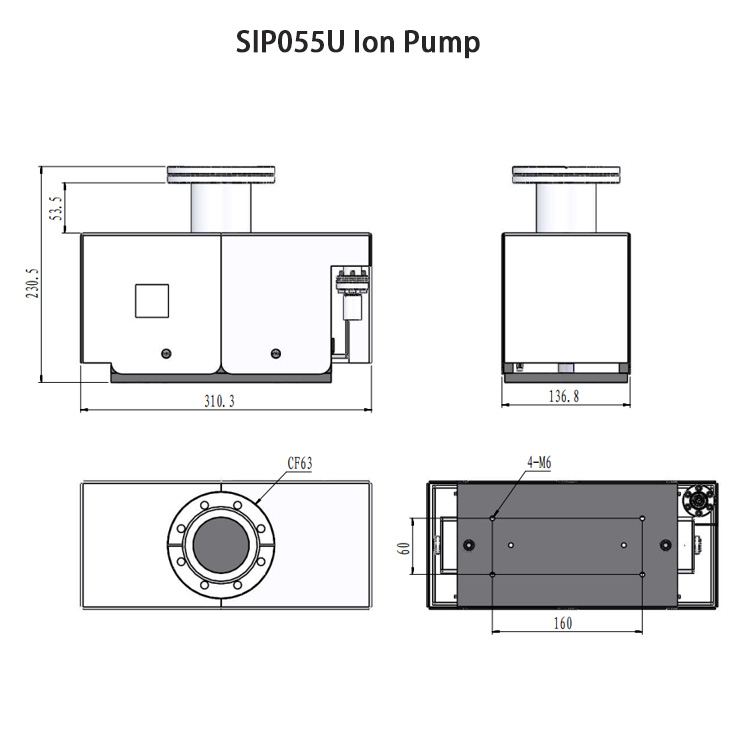
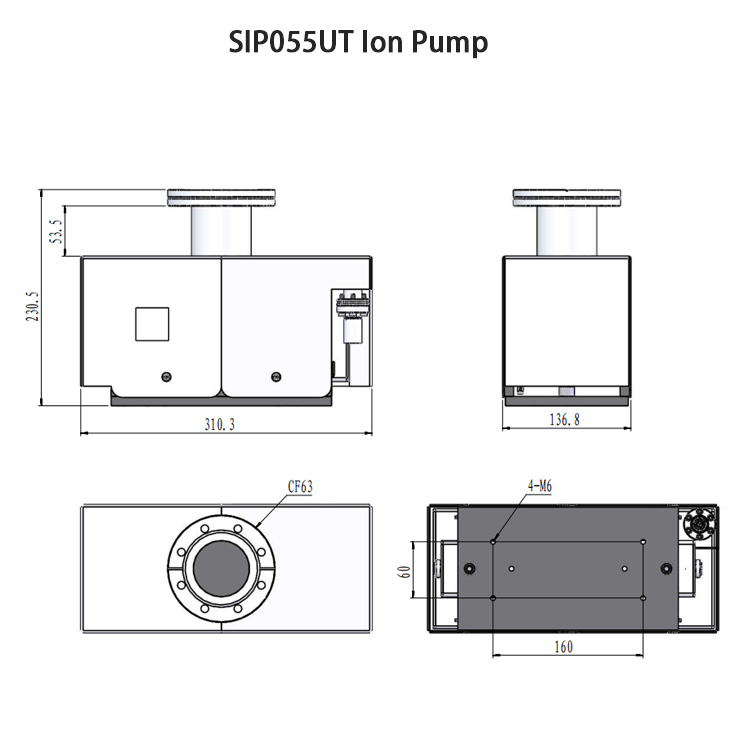
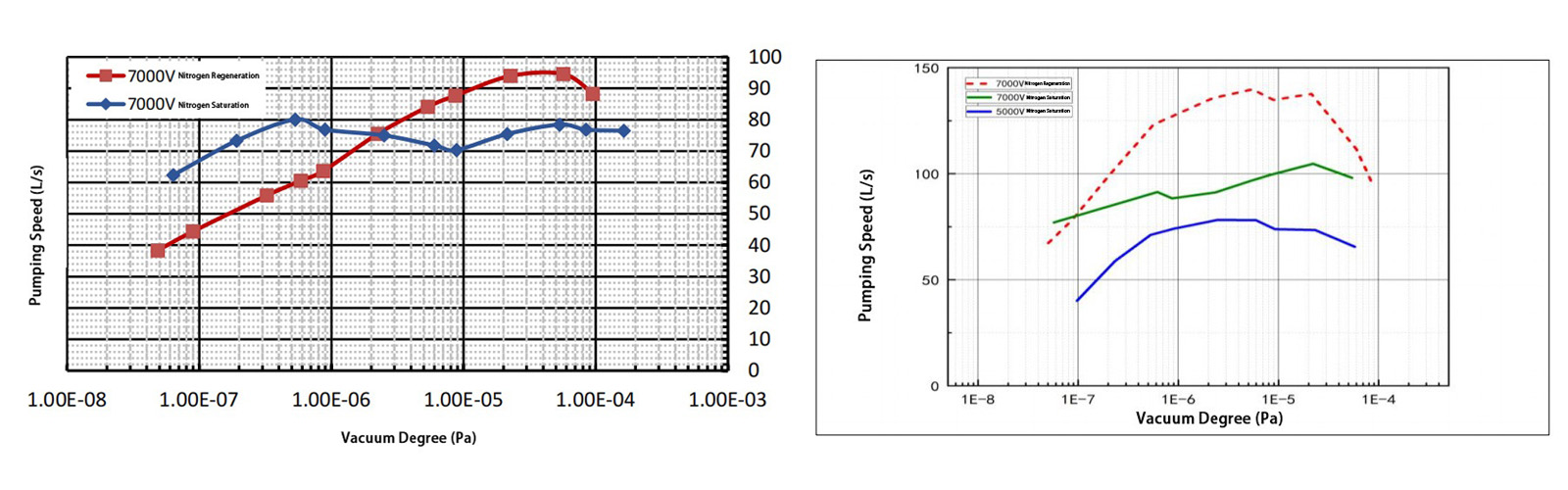
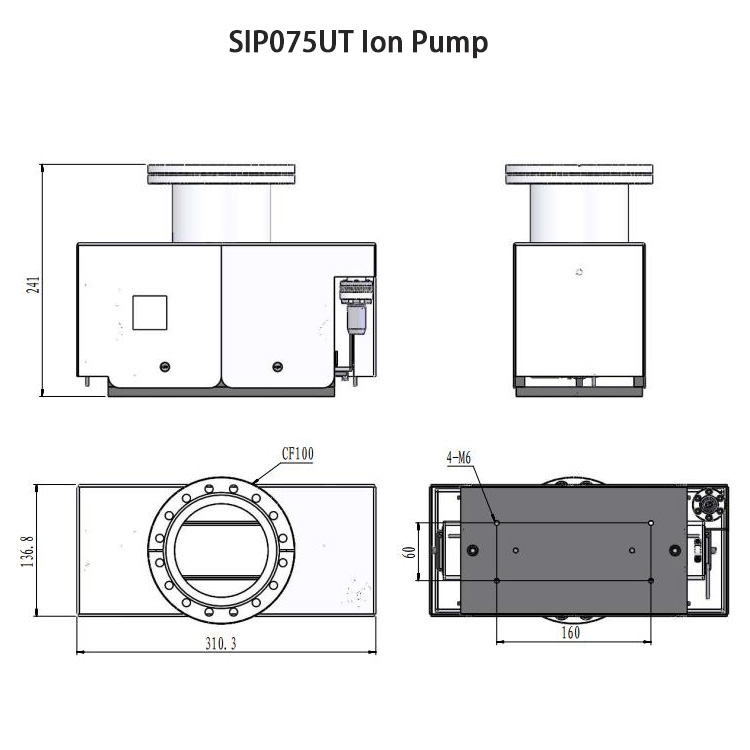
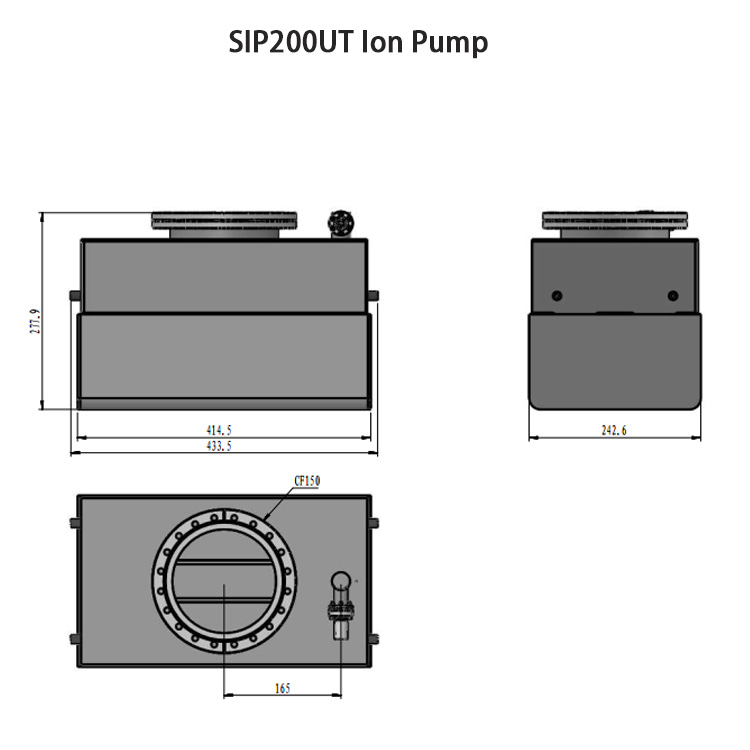
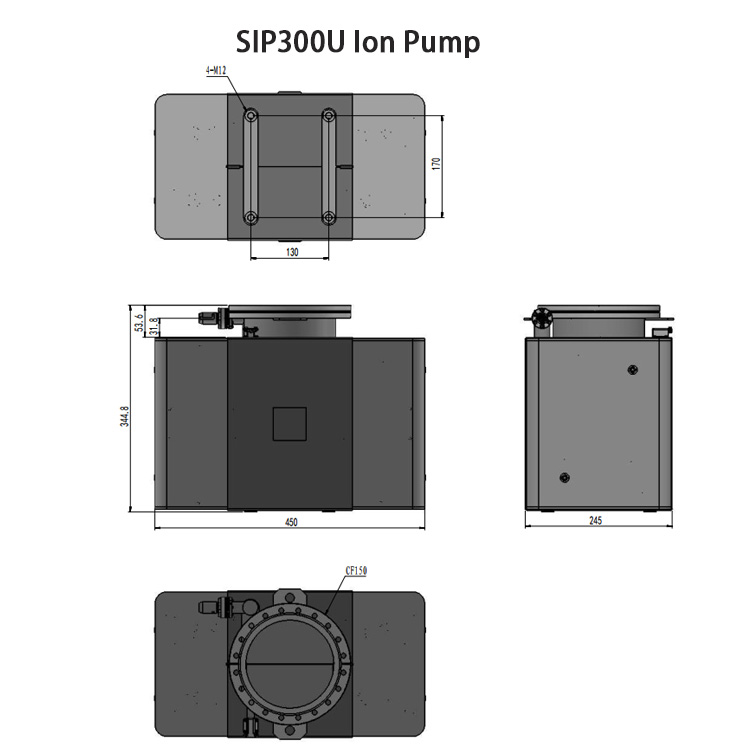
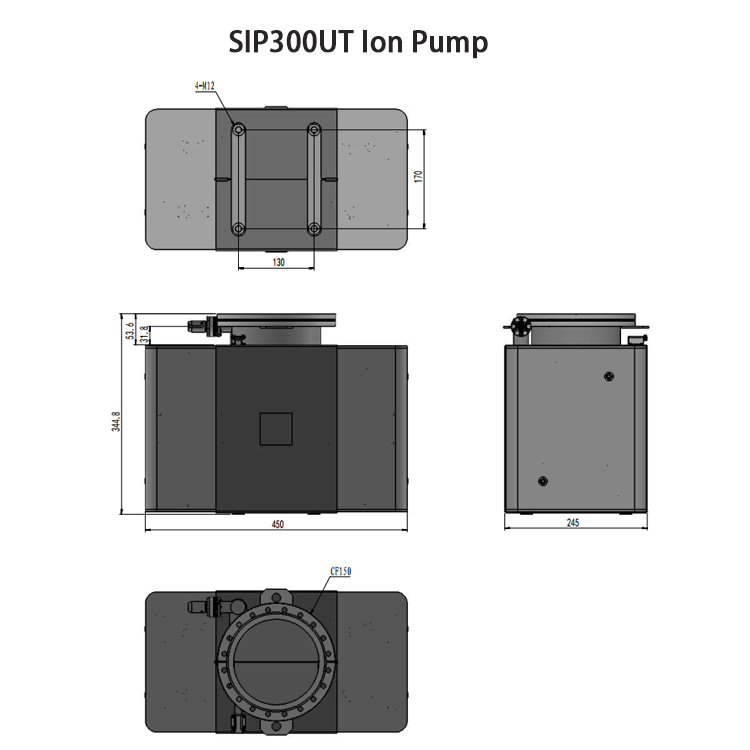
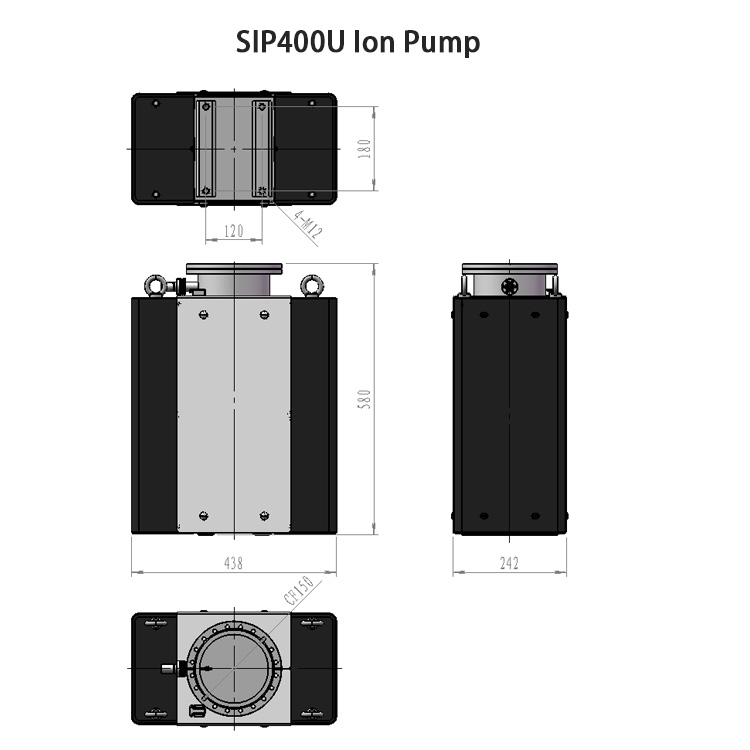
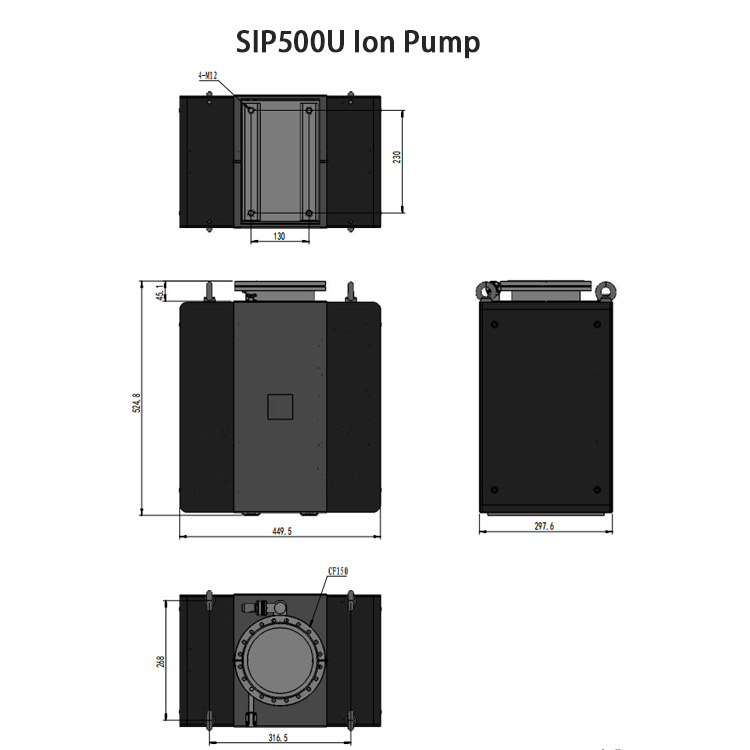
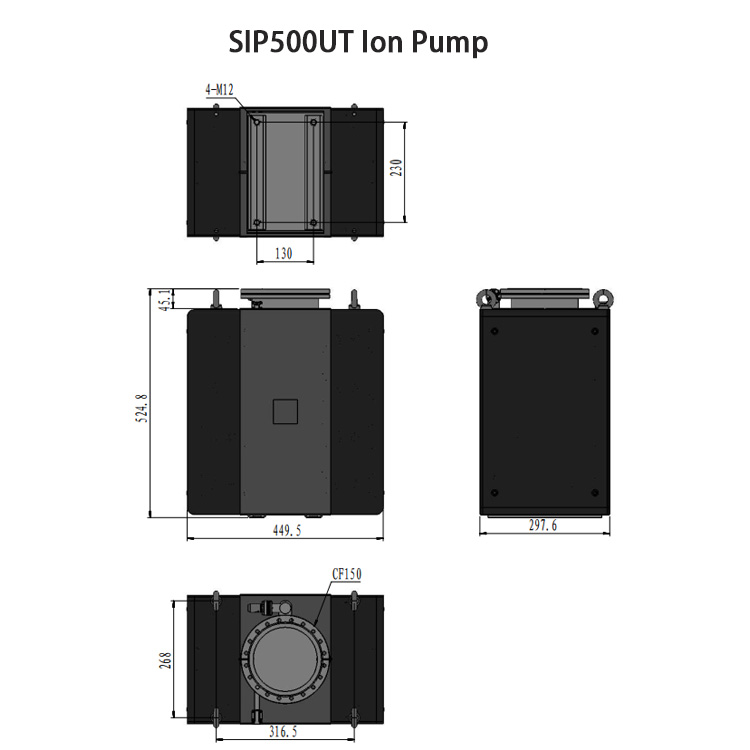
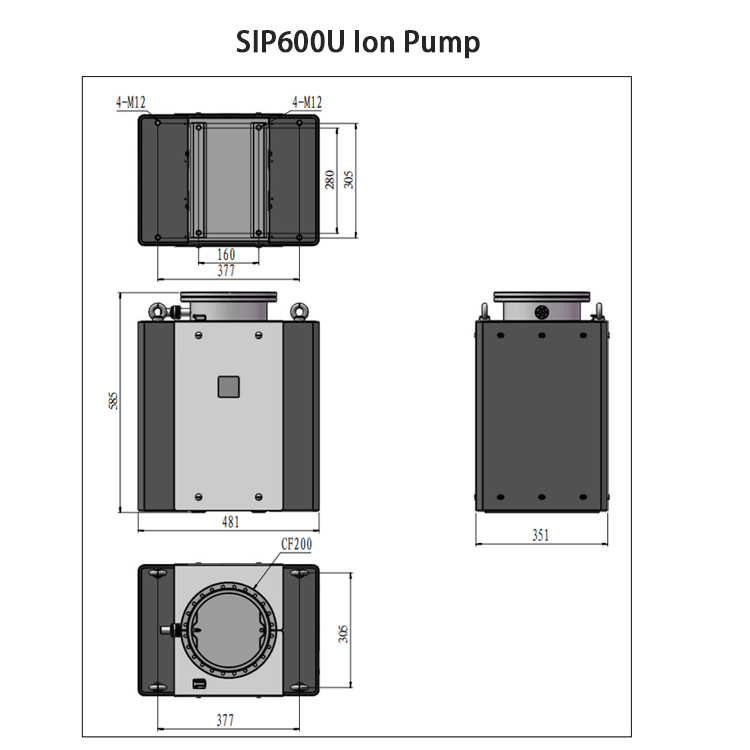
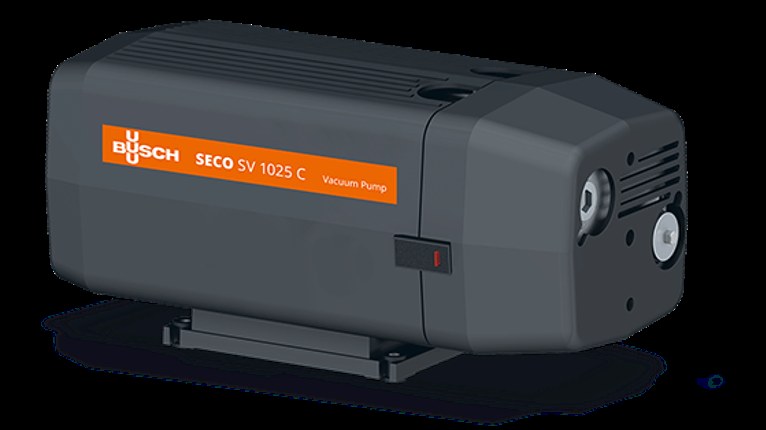
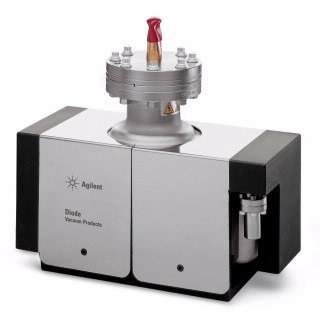
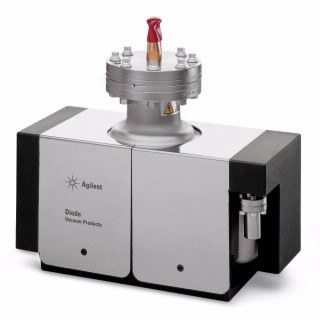
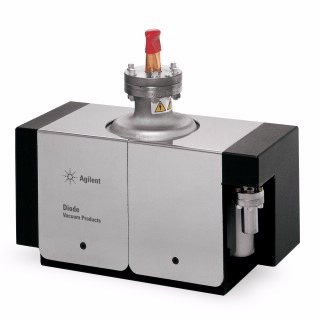
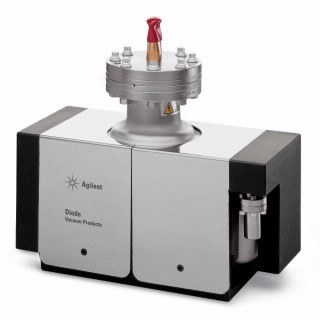
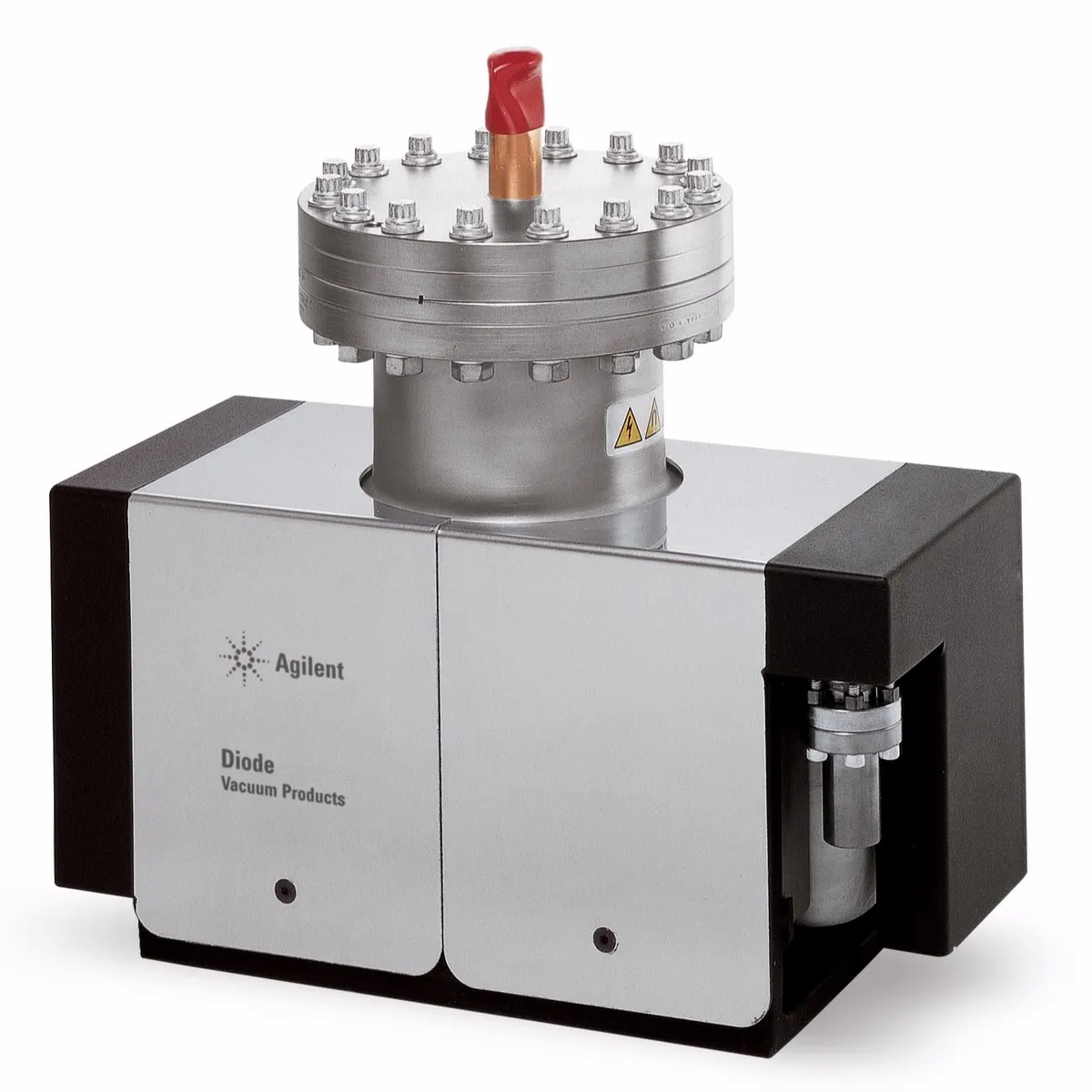
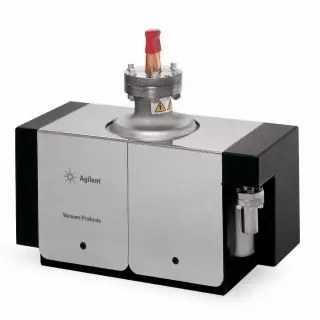
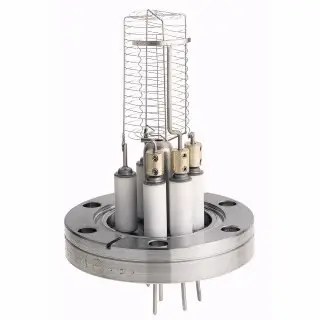
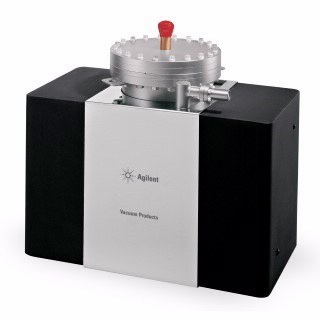
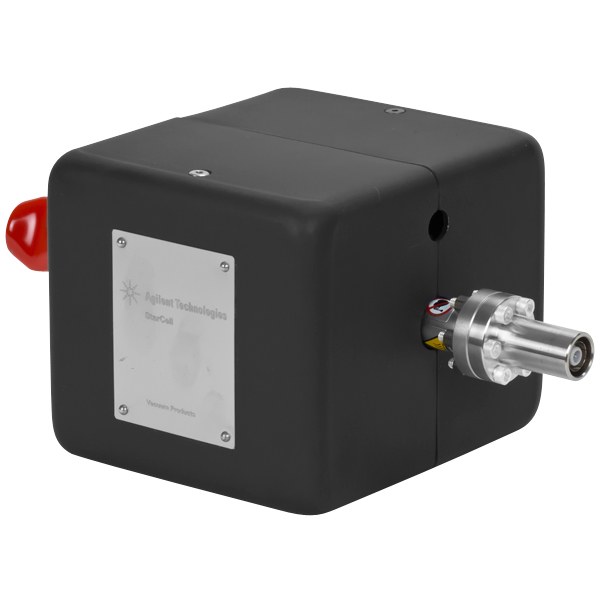
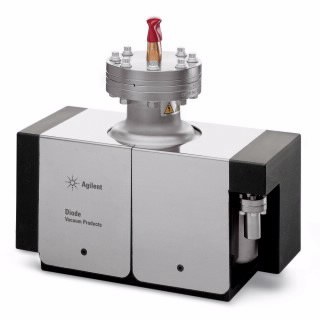
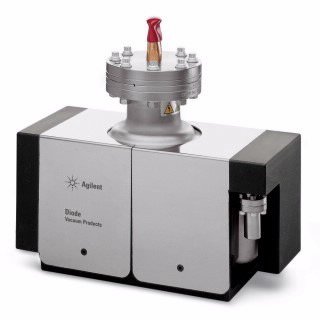
A sputter ion pump has no moving parts. A strong magnetic field traps electrons in Penning cells; they ionise residual gas, the ions slam into a titanium cathode and are buried there, while sputtered titanium chemically getters reactive species on the surrounding surfaces. Because pumping is capture rather than transfer, the pump is silent, vibration-free and can run for years — but it must be started at high vacuum and its capacity is finite.
What pressure range does a sputter ion pump work in?
It is a UHV pump: it starts at roughly 1x10⁻³ Pa and works best below 1x10⁻⁵ Pa, reaching the 10⁻⁸ Pa range and lower in a baked system. It cannot be started against a rough vacuum — a turbo or a sorption pump has to get the system there first.
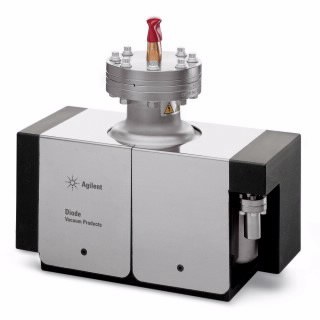
Diode or triode — what is the difference?
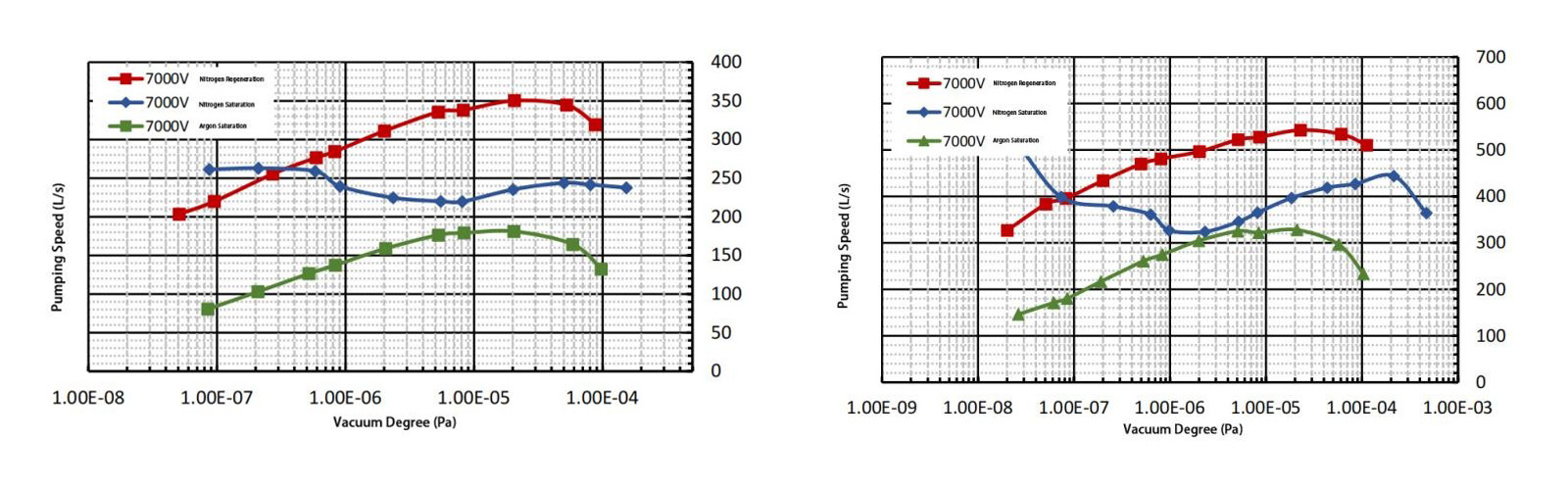
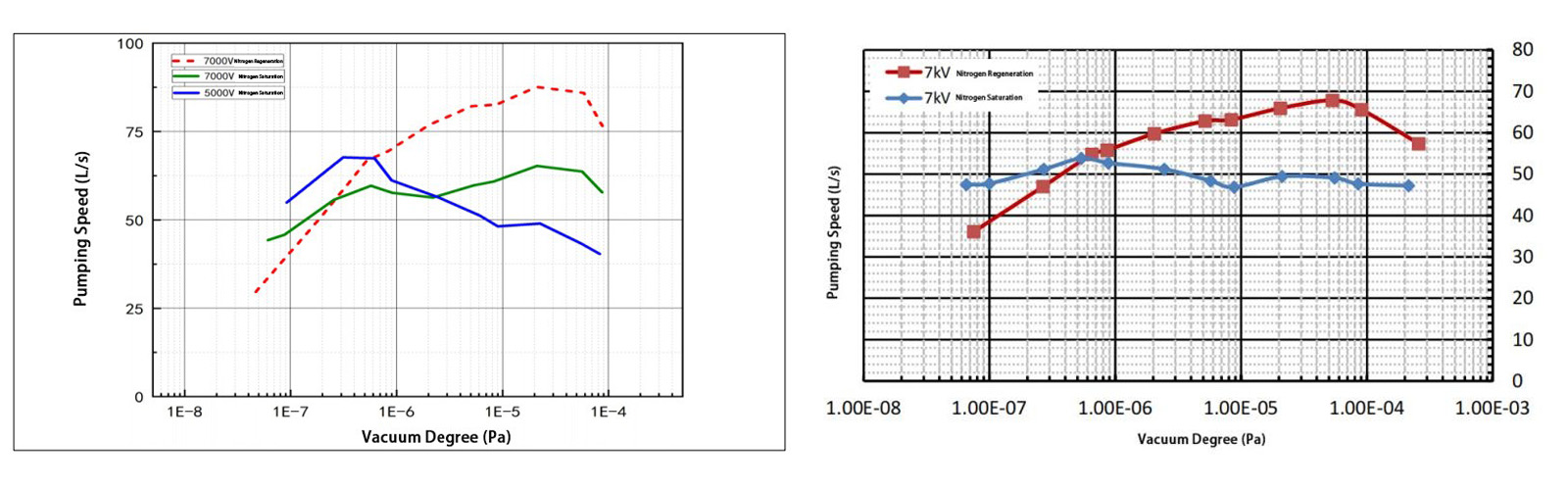
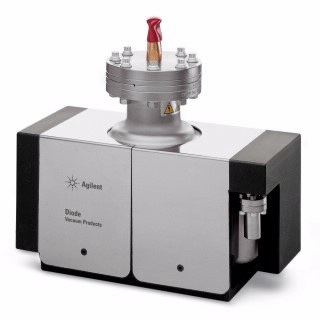
Diode pumps have the higher pumping speed for active gases and are simpler. Triode pumps handle noble gases such as argon much better and are more stable at higher pressure, at the cost of some speed. Systems that see argon — sputtering, ion implantation — normally specify triode.
How long does an ion pump last?
Life is measured in gas quantity pumped, not calendar time — the titanium cathodes are consumed. In a clean, baked UHV system running in the 10⁻⁸ Pa range an element can last many years; the same pump used to pump down repeatedly from 10⁻³ Pa will be spent far sooner.
Do I need to bake the pump before use?
To reach the pump's rated ultimate pressure, yes. Bakeout drives water off the internal surfaces; without it, outgassing dominates and the system sits orders of magnitude above specification. Follow the model's maximum bake temperature and keep the magnets within their rating.
Can an ion pump be used alone?
Not for pump-down. It needs a roughing and high-vacuum stage to reach its start pressure, and it needs an isolation valve so it is not exposed to atmosphere. Once the system is at UHV the ion pump can hold it alone, with no moving parts and no vibration — which is why it is used on beamlines and surface analysis tools.

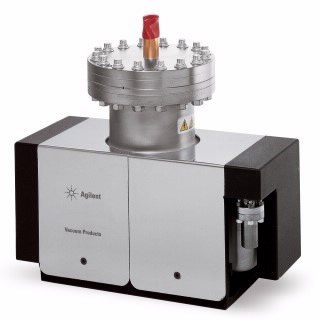
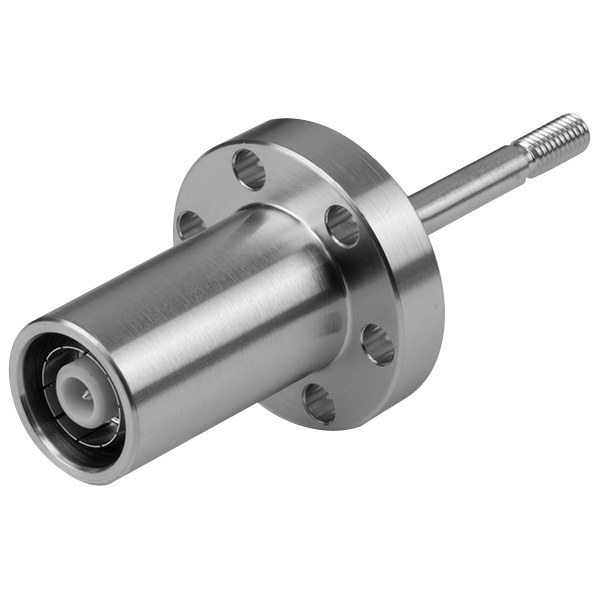 EquipLead time on quote
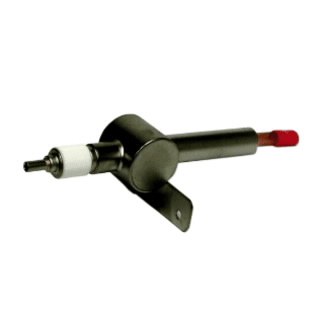
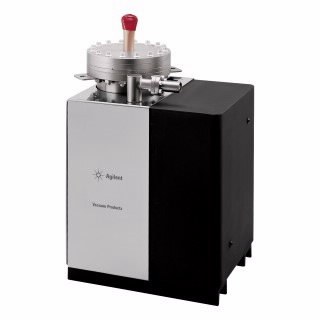
 EquipLead time on quote