
Liquid Ring Pumps
Liquid Ring Pumps 83 products
Liquid ring vacuum pumps engineered for humid, corrosive and aggressive process gases in chemical and food applications.
Mibay 23
 EquipLead time on quote
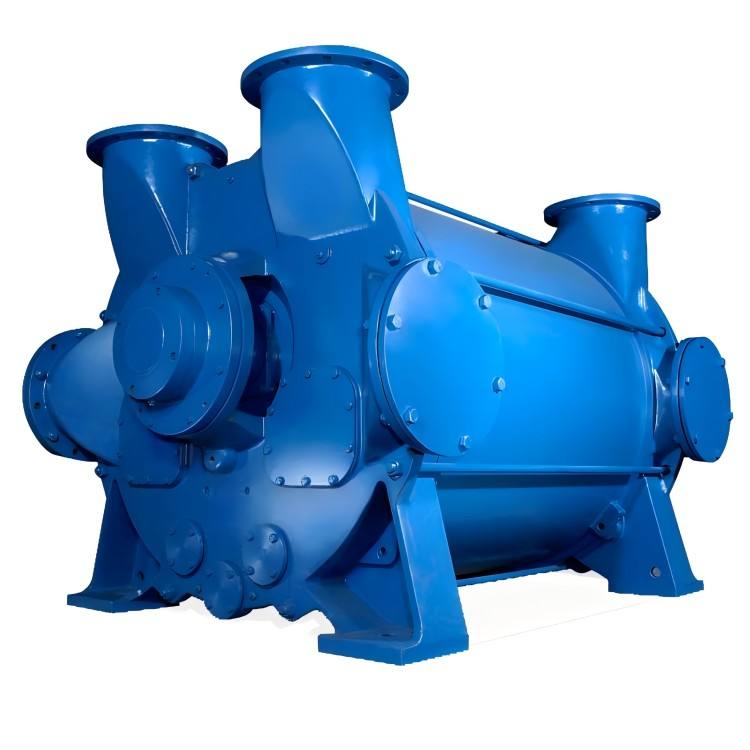
2BE3
 EquipLead time on quote
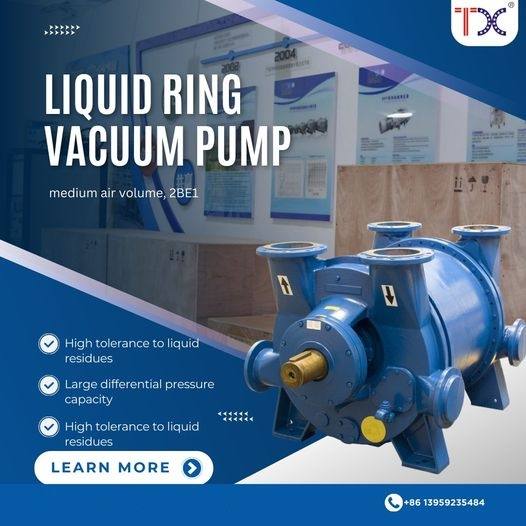
2BE4
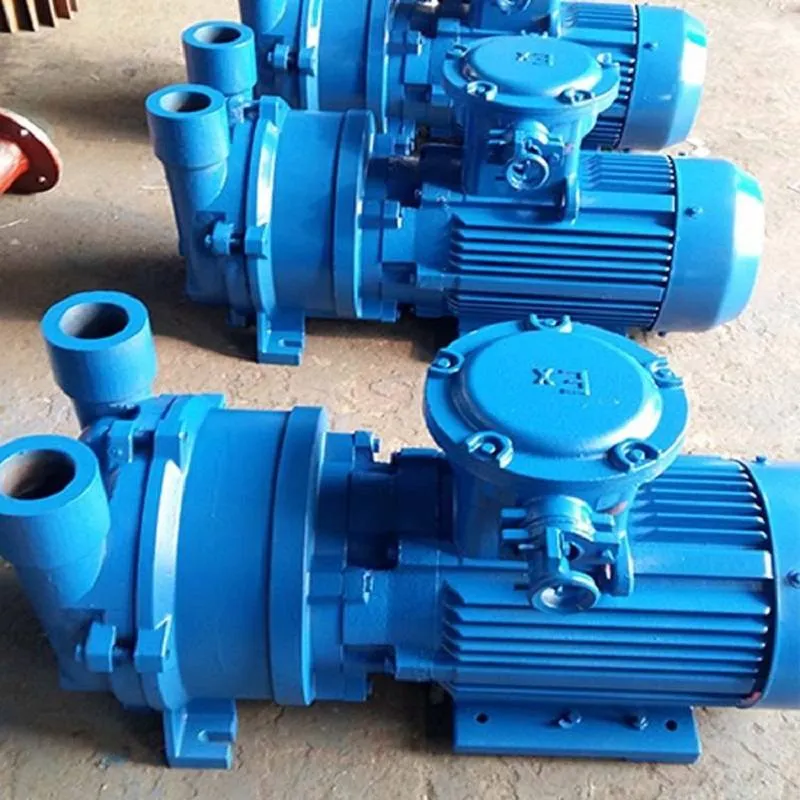 EquipLead time on quote
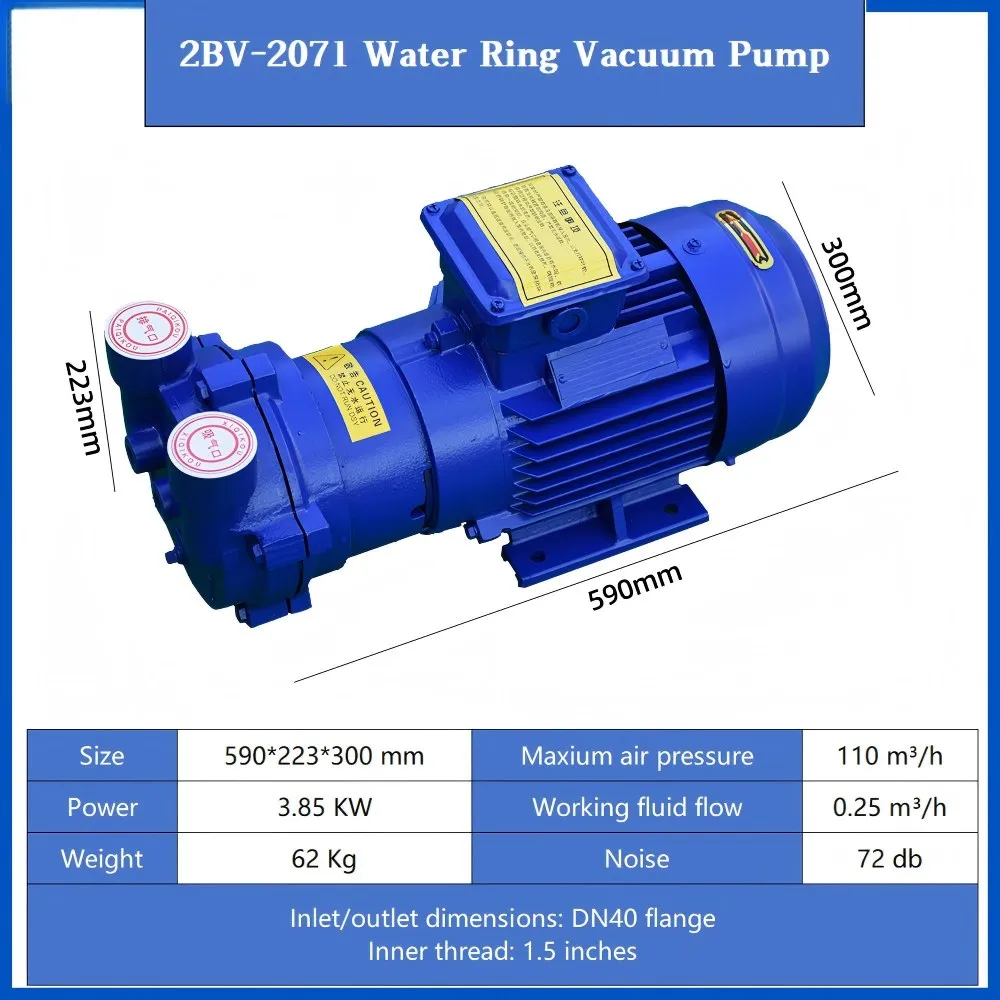
2BV2
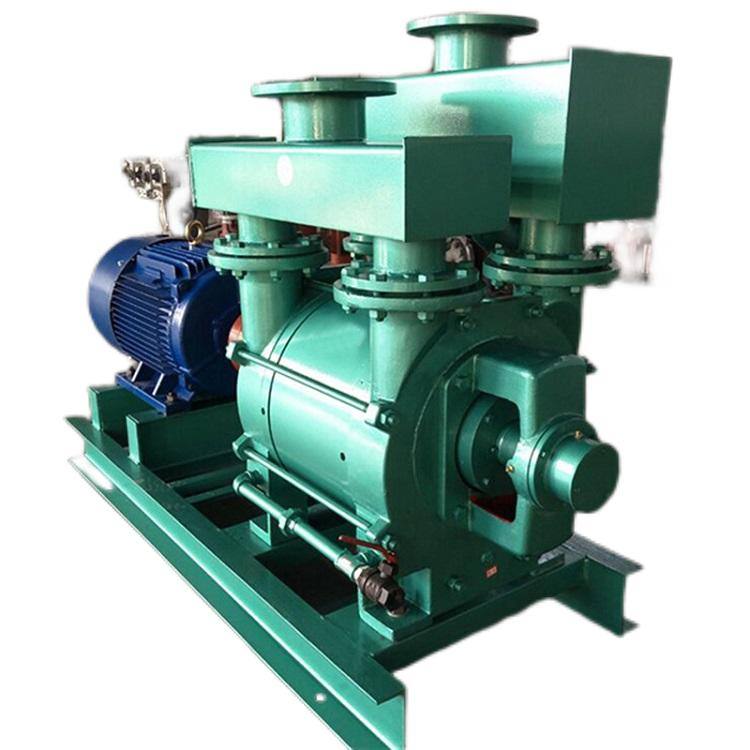 EquipLead time on quote
2BV5
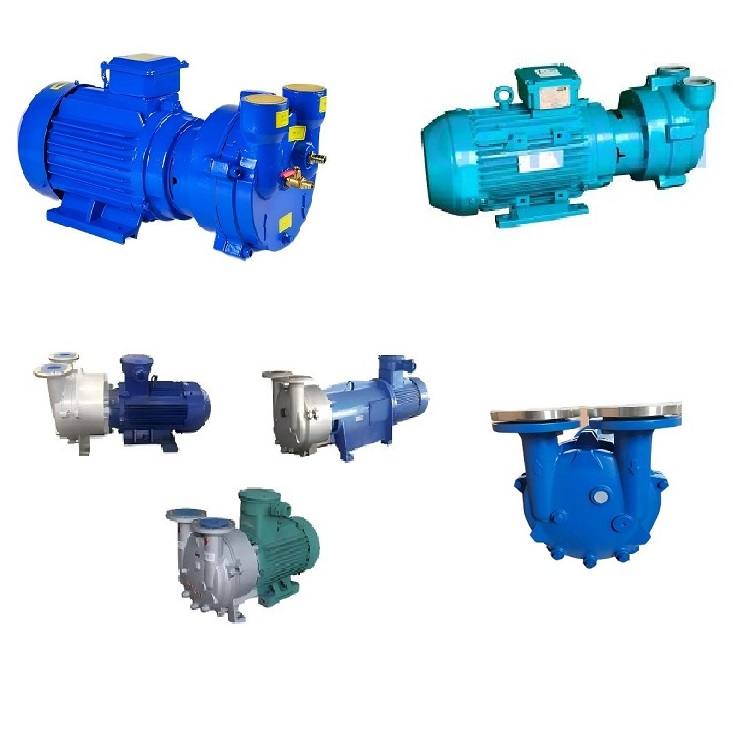 EquipLead time on quote
2BV6
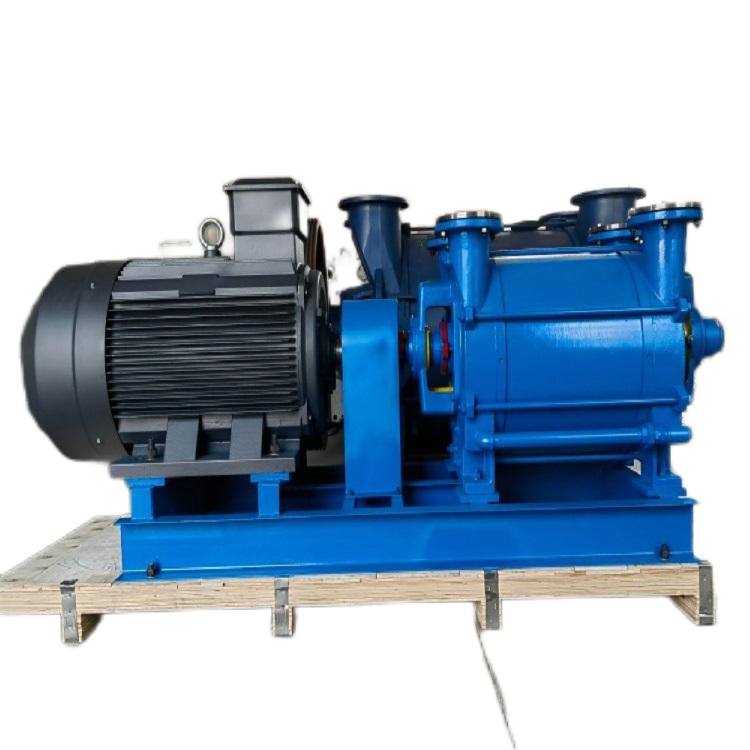 EquipLead time on quote
AT TC Series Two Stage Conical
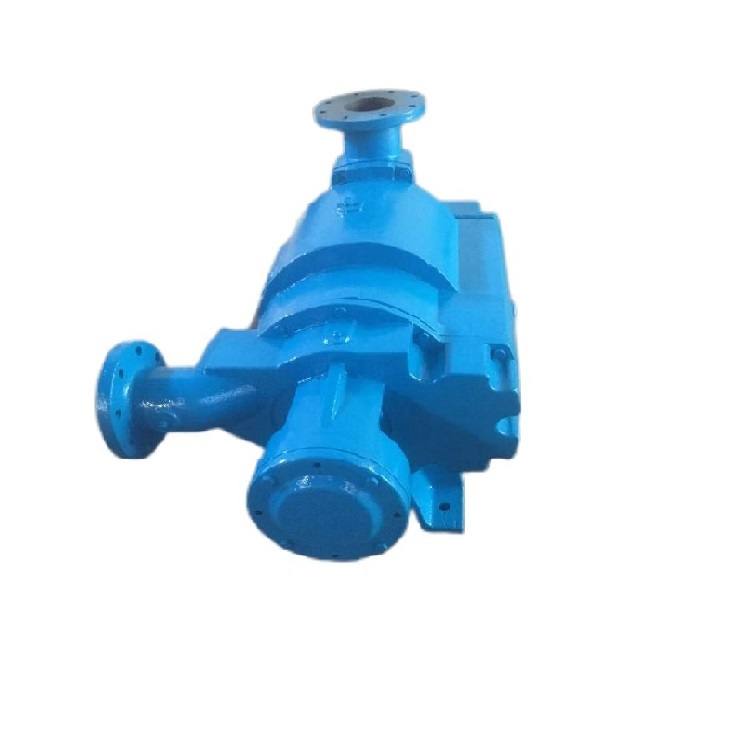 EquipLead time on quote
AT/TC
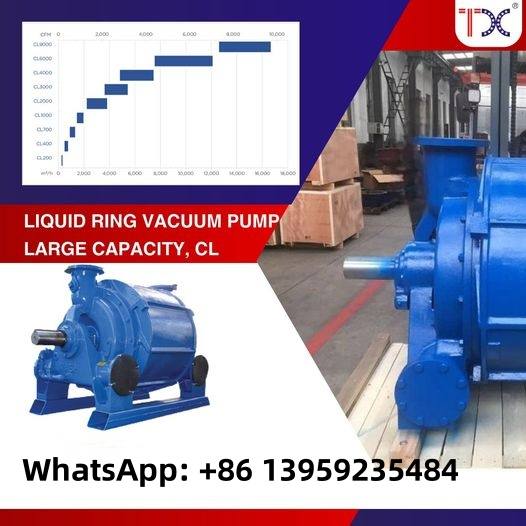 EquipLead time on quote
CL
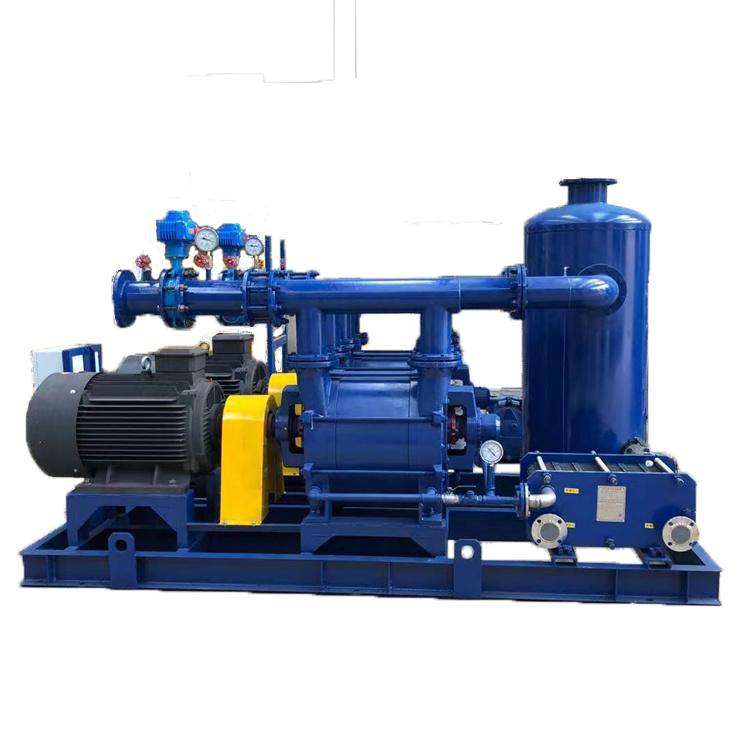 EquipLead time on quote
Closed Cycle Liquid Ring Vacuu
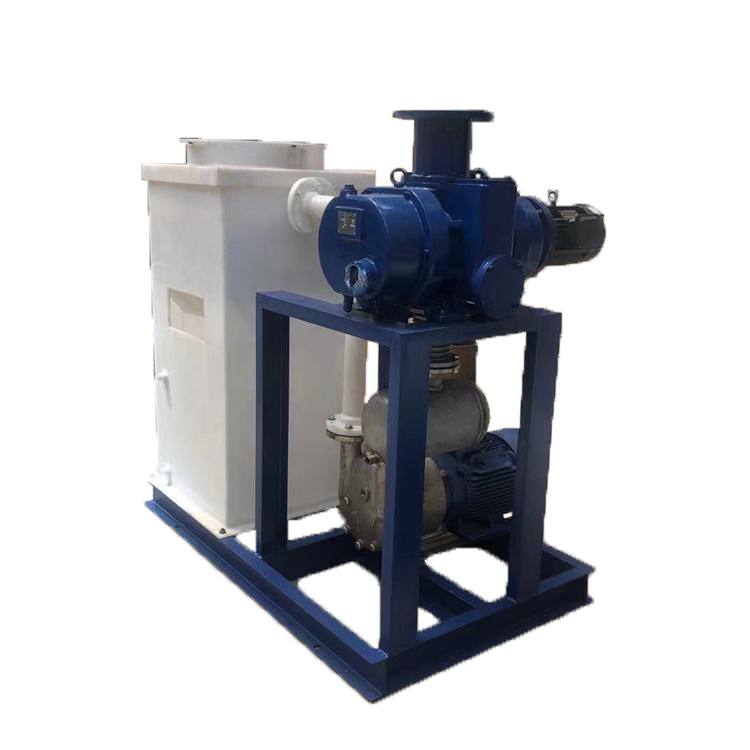 EquipLead time on quote
Closed Cycle Water Ring Vacuum Pump
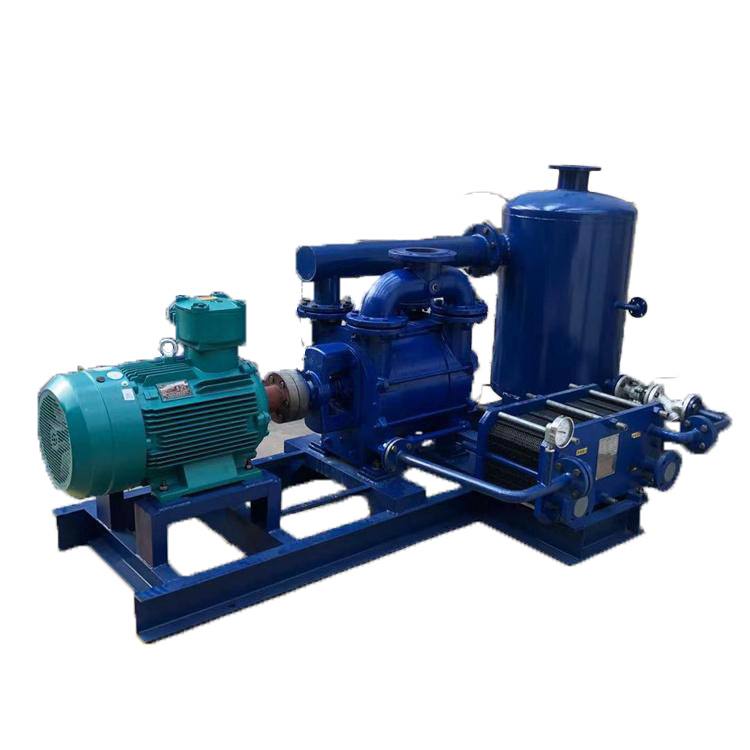 EquipLead time on quote
Closed-loop Water Ring Vacuum
 EquipLead time on quote
High-Efficiency Two-Stage Liqu
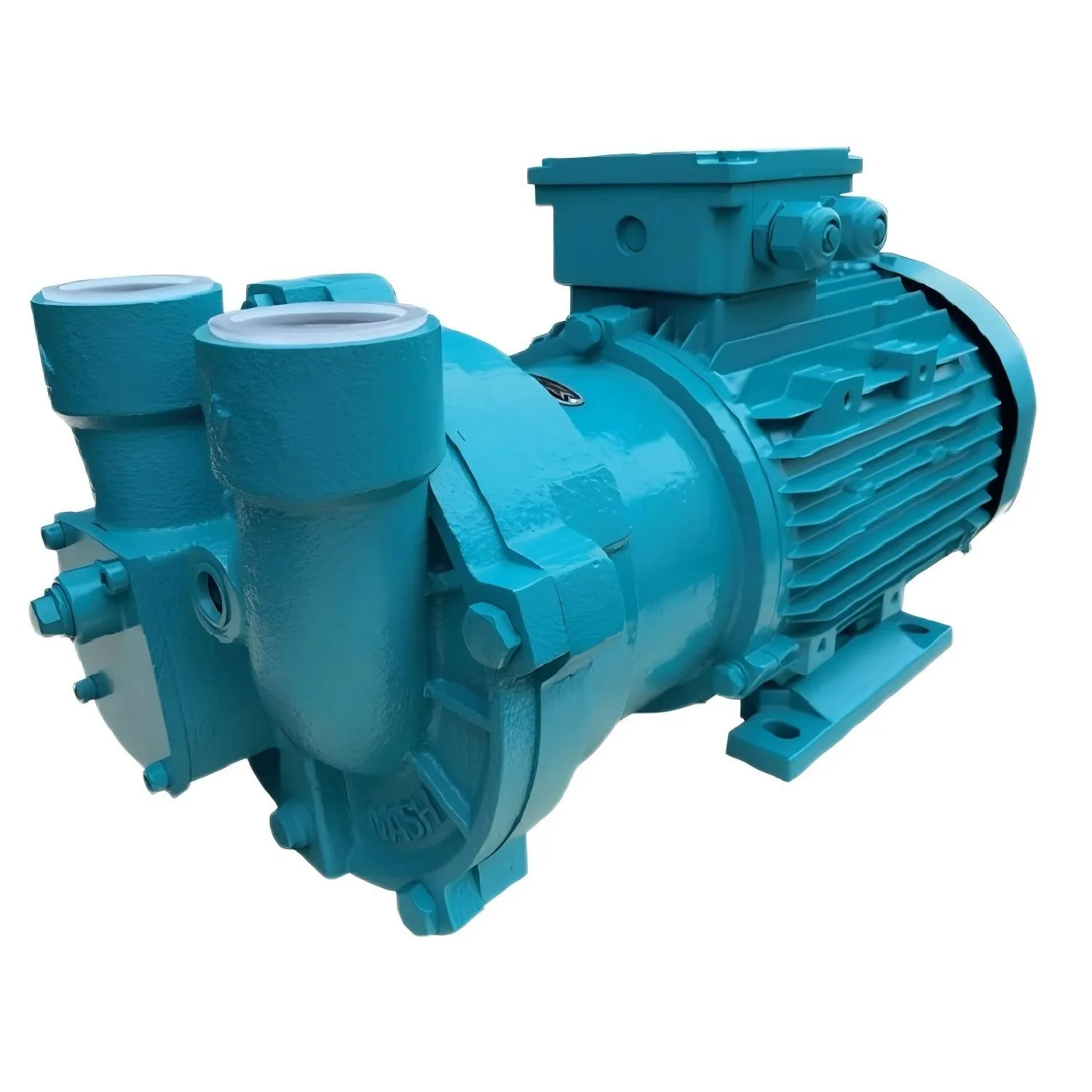 EquipLead time on quote
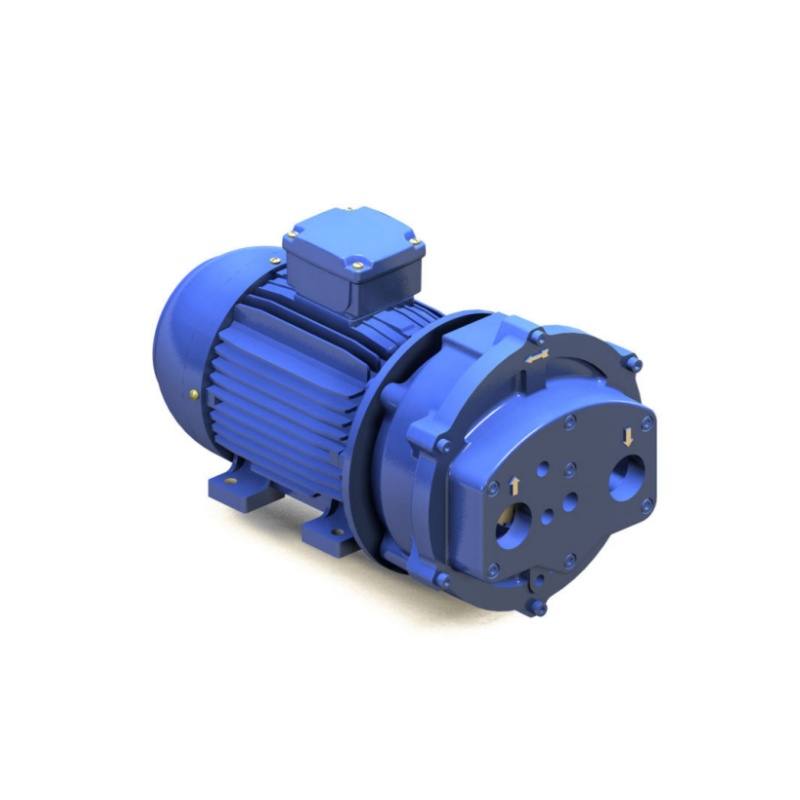
NEV2
 EquipLead time on quote
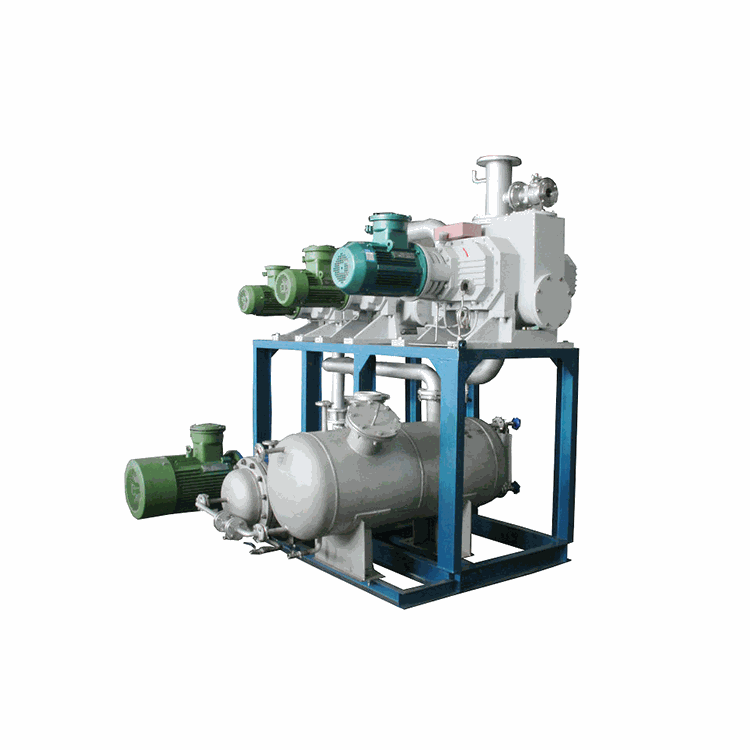
Roots liquid ring complete set
 EquipLead time on quote
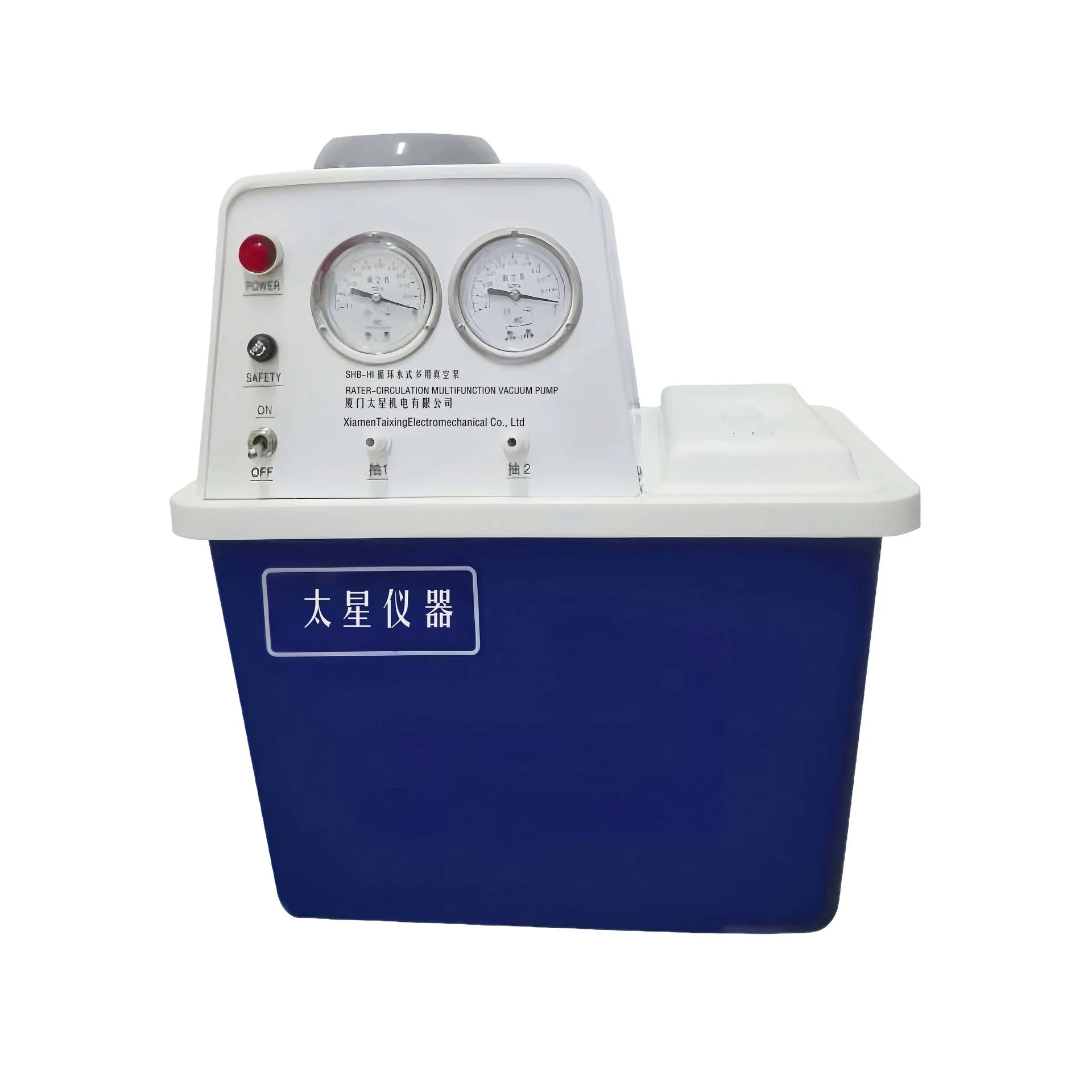
SHB-III
 EquipLead time on quote
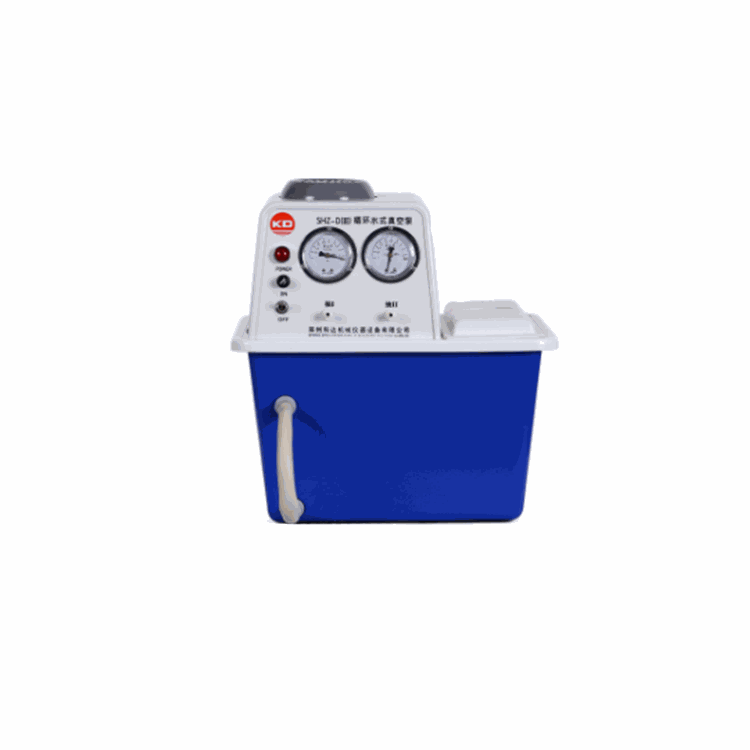
SHZ-D
 EquipLead time on quote
SX Liquid Ring Monoblock Vacuu
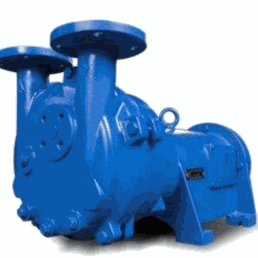 EquipLead time on quote
TX2BV6
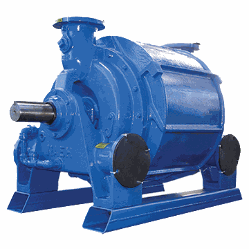 EquipLead time on quote
TXCL
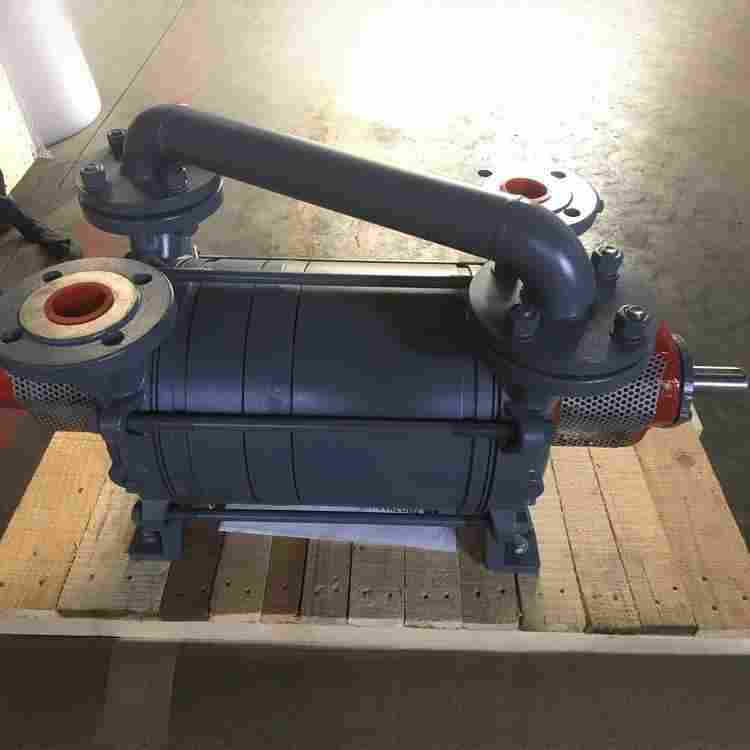 EquipLead time on quote
TXV
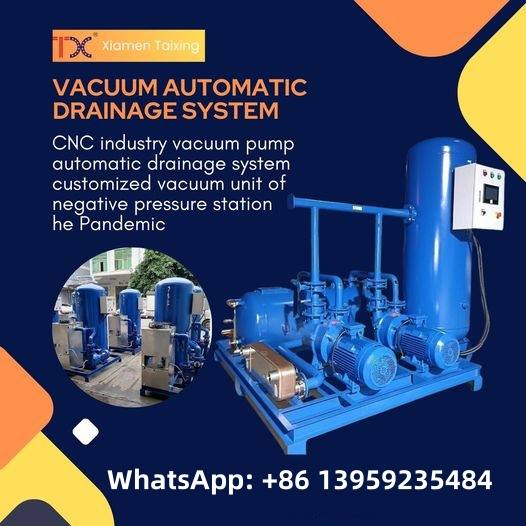 EquipLead time on quote
Vectra XL Series Liquid Ring V
Taixing 21
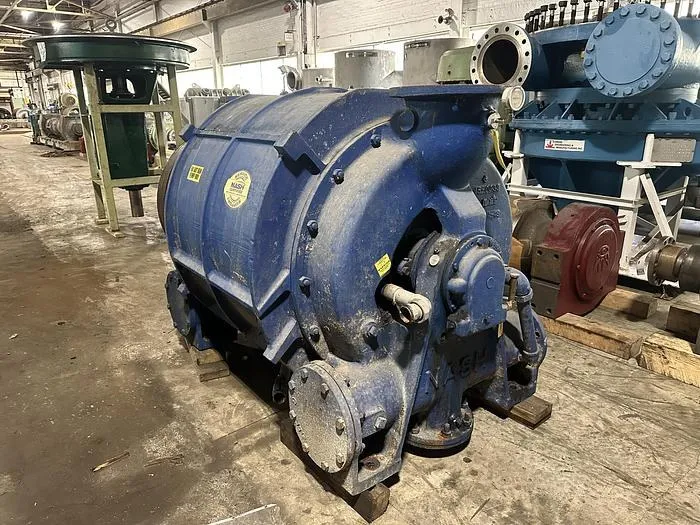
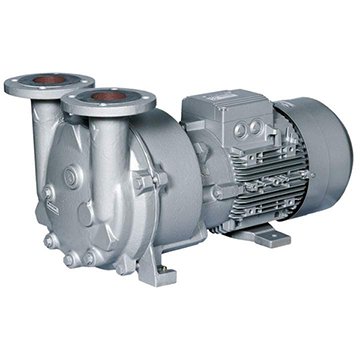
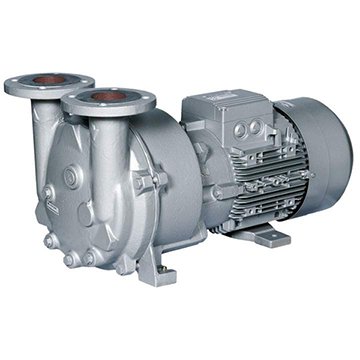
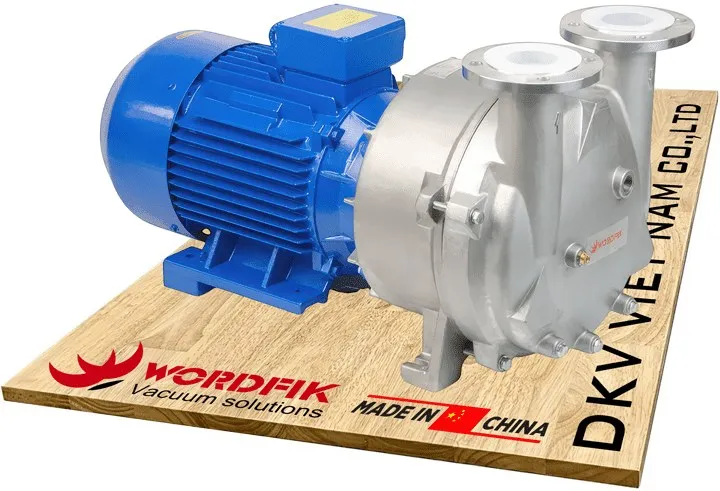
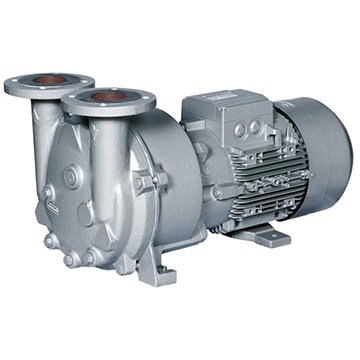
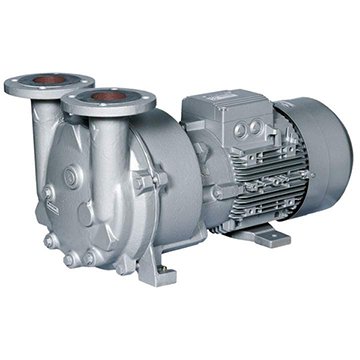
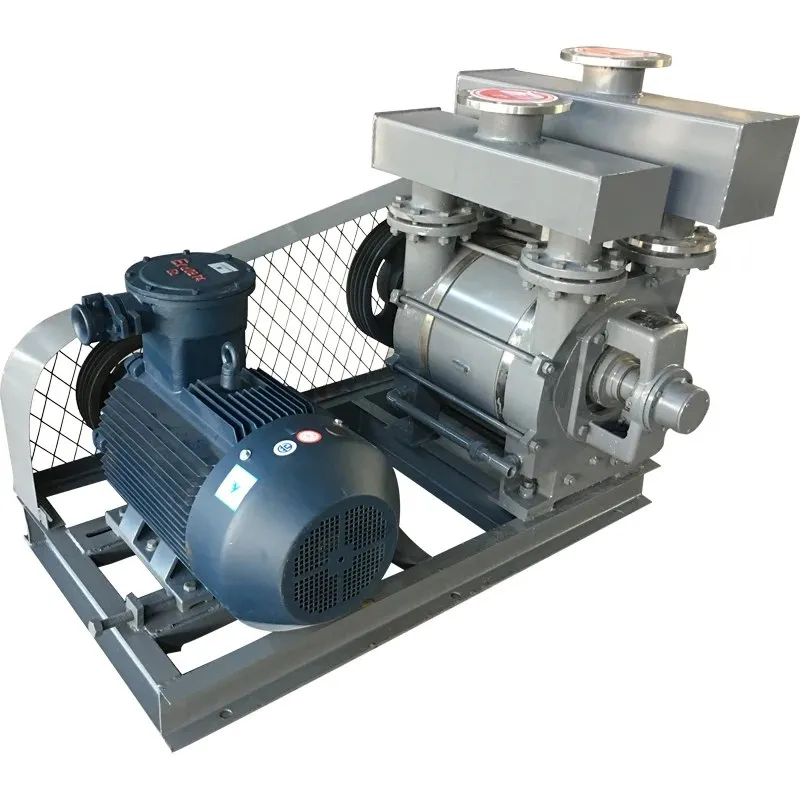
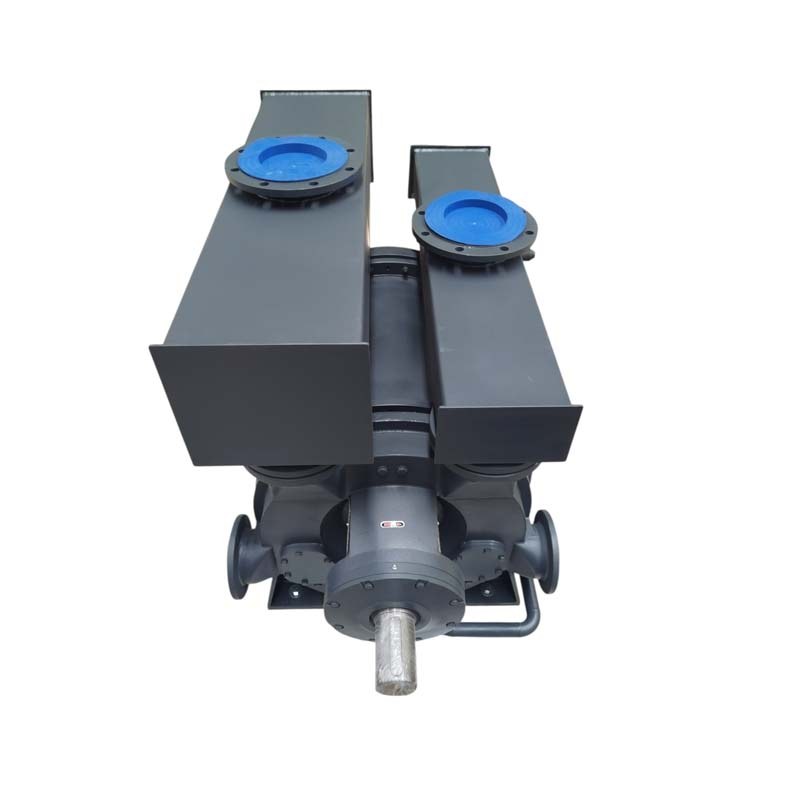
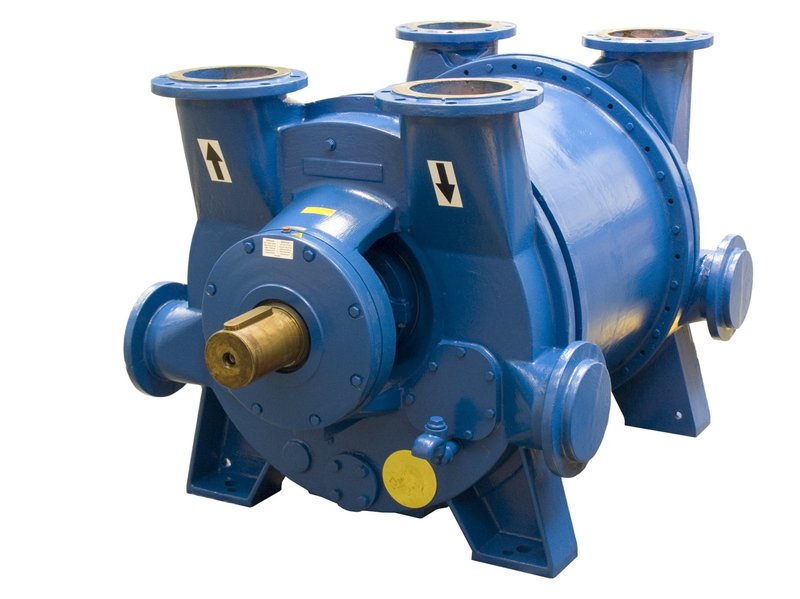
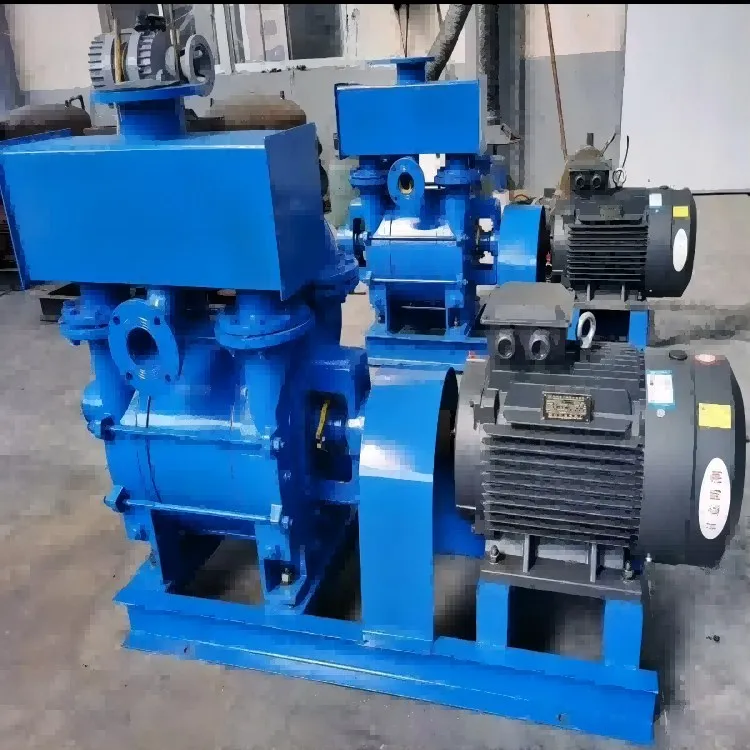
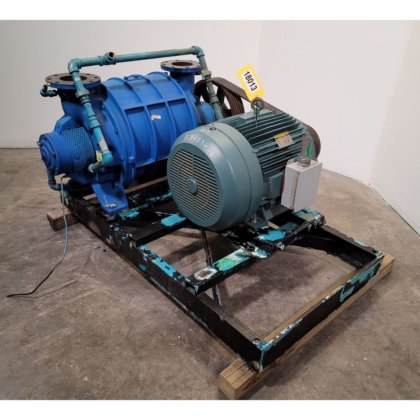
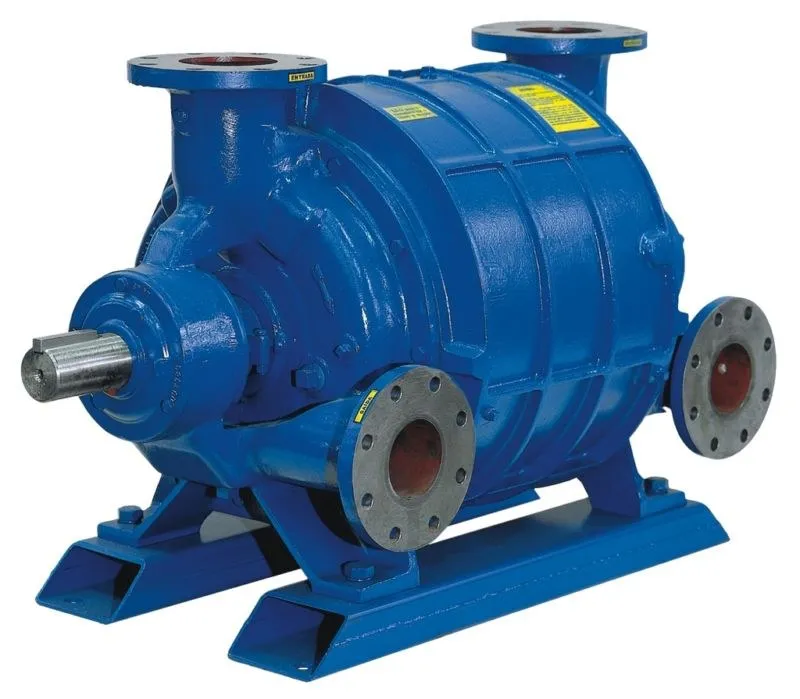
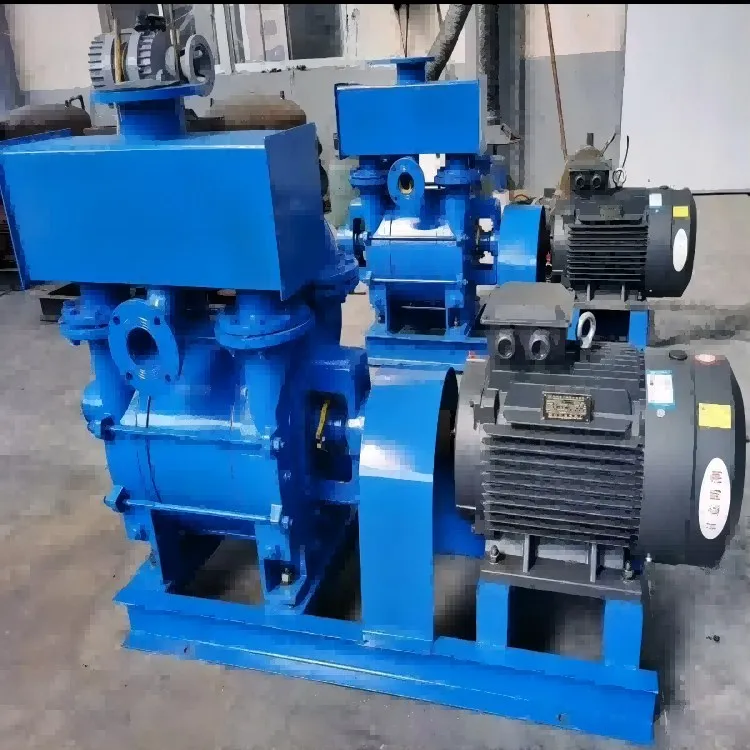
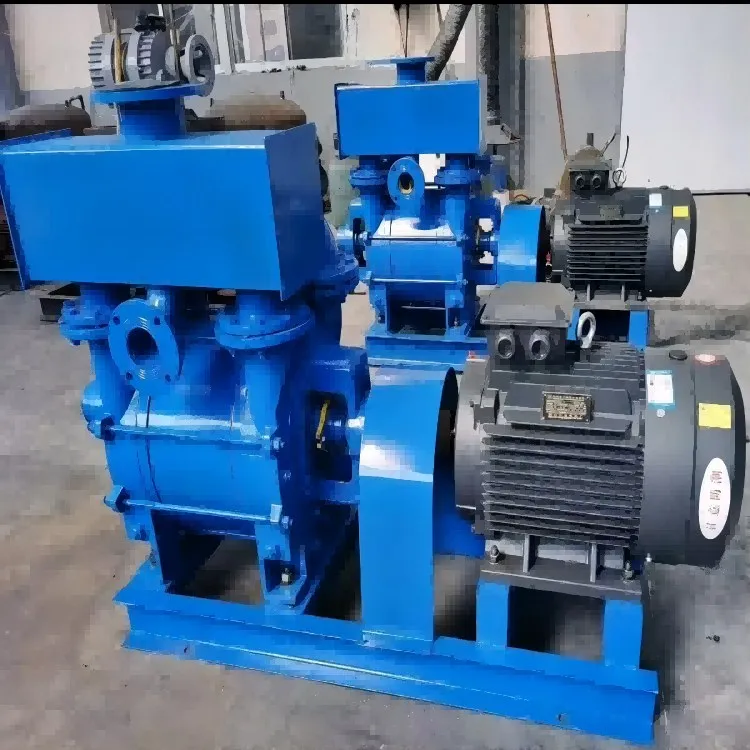
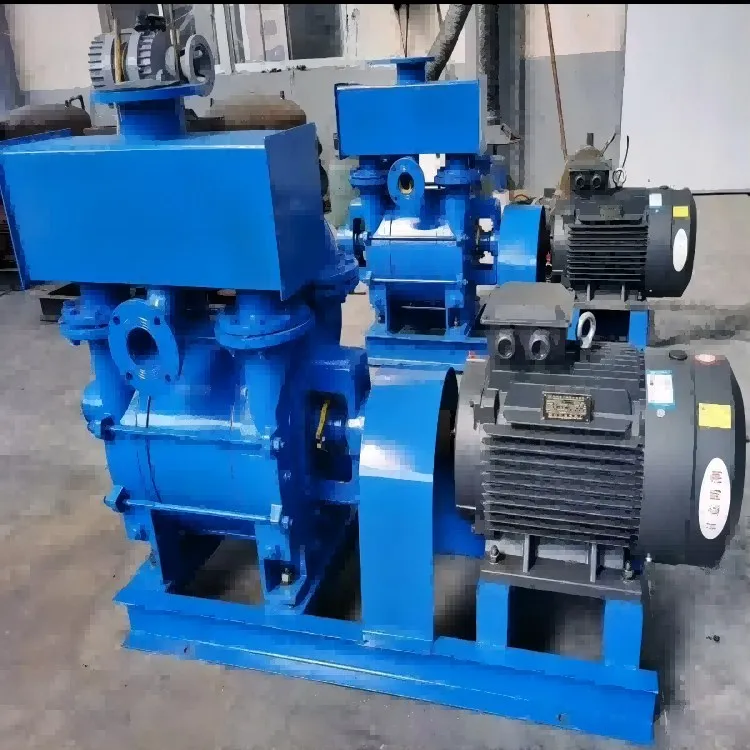
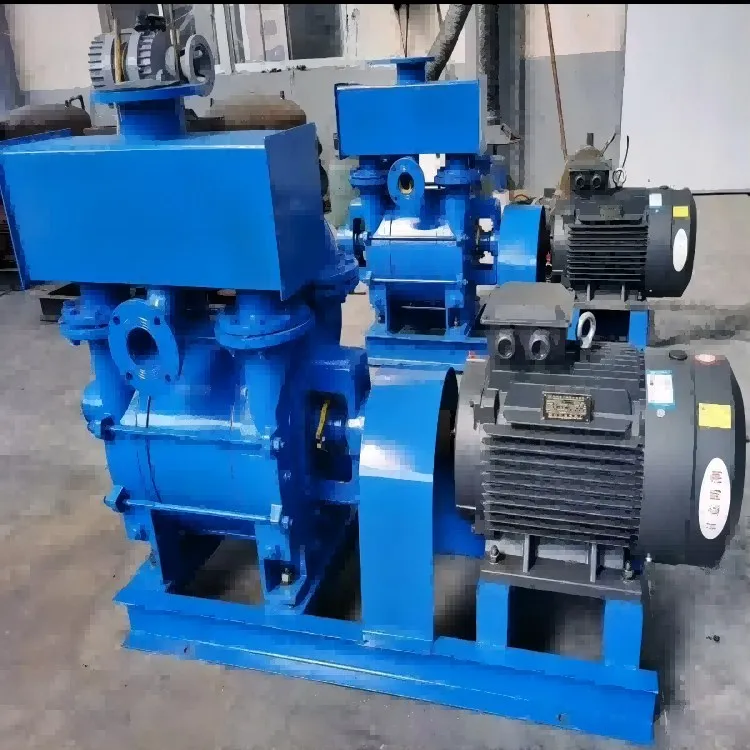
TX-02
Other brands 15
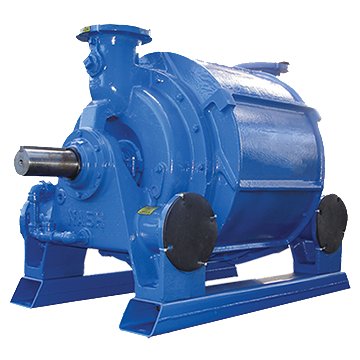
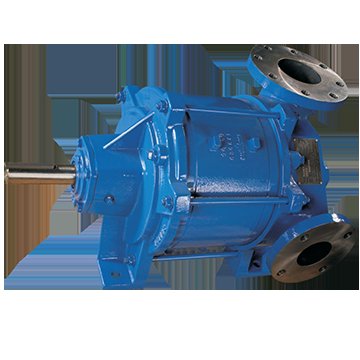
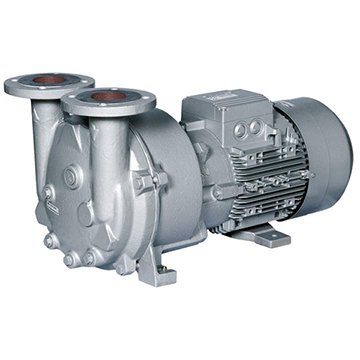
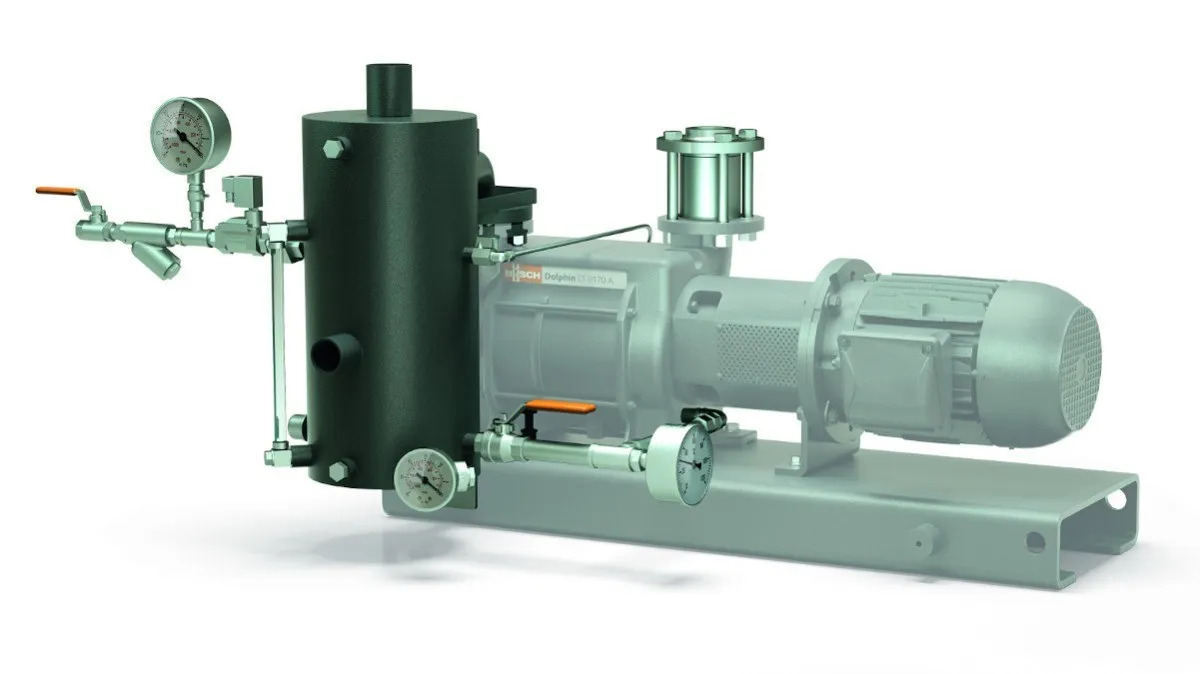
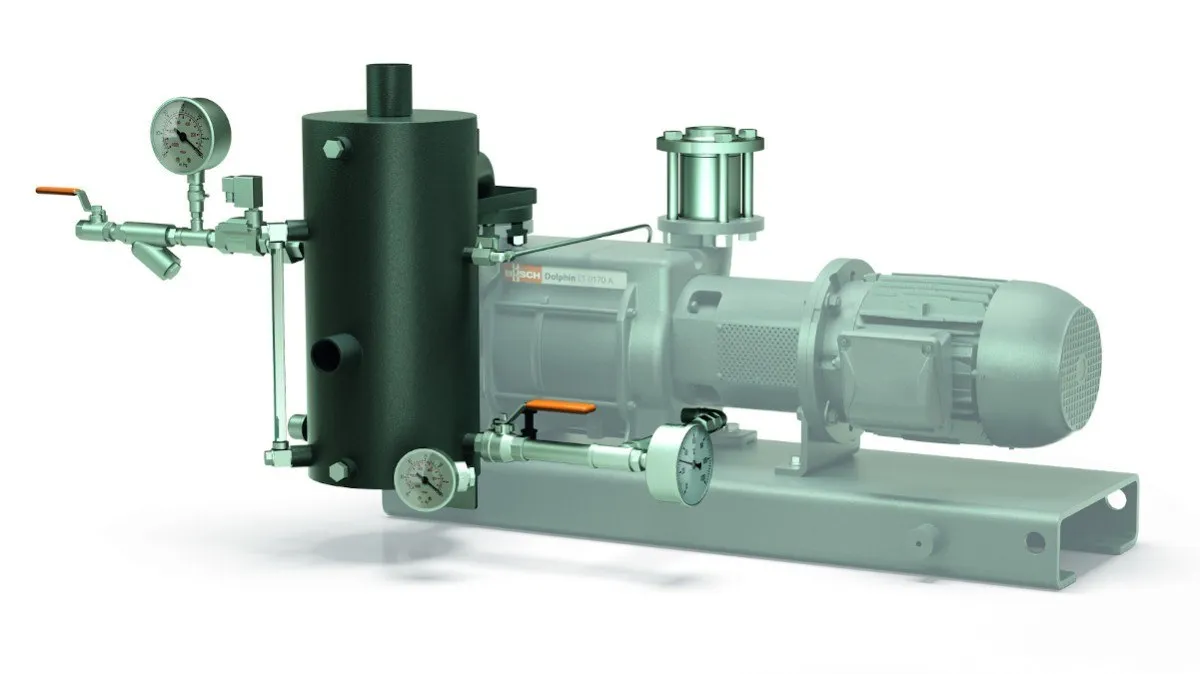
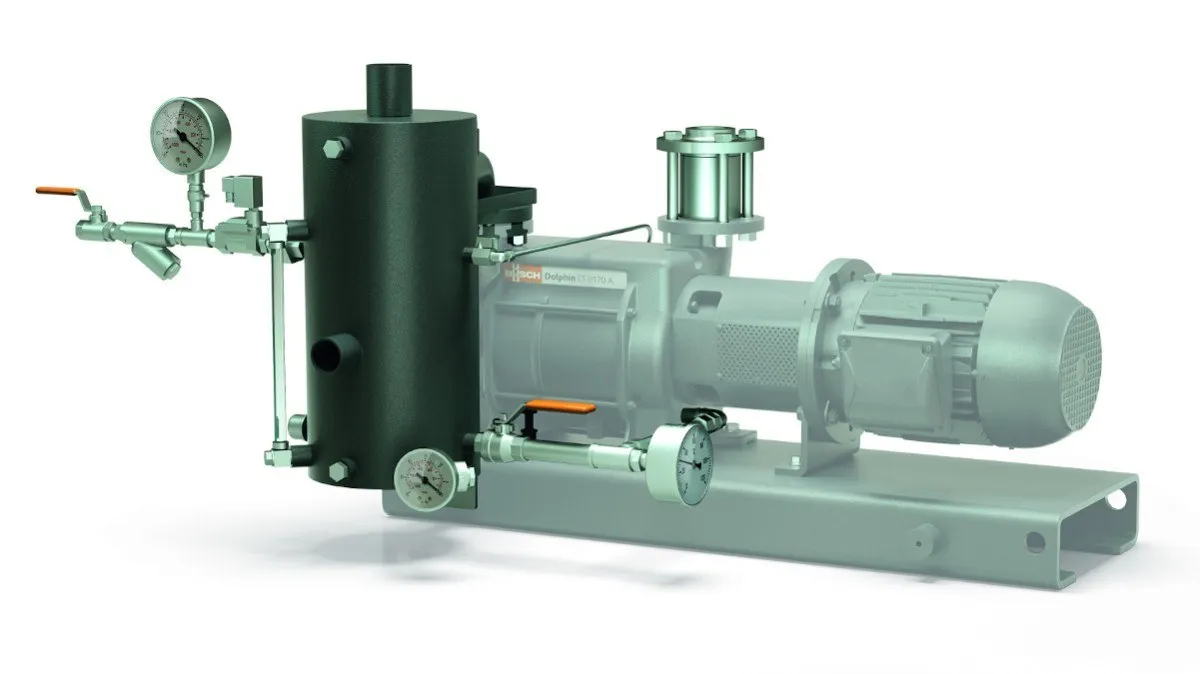
Busch 7
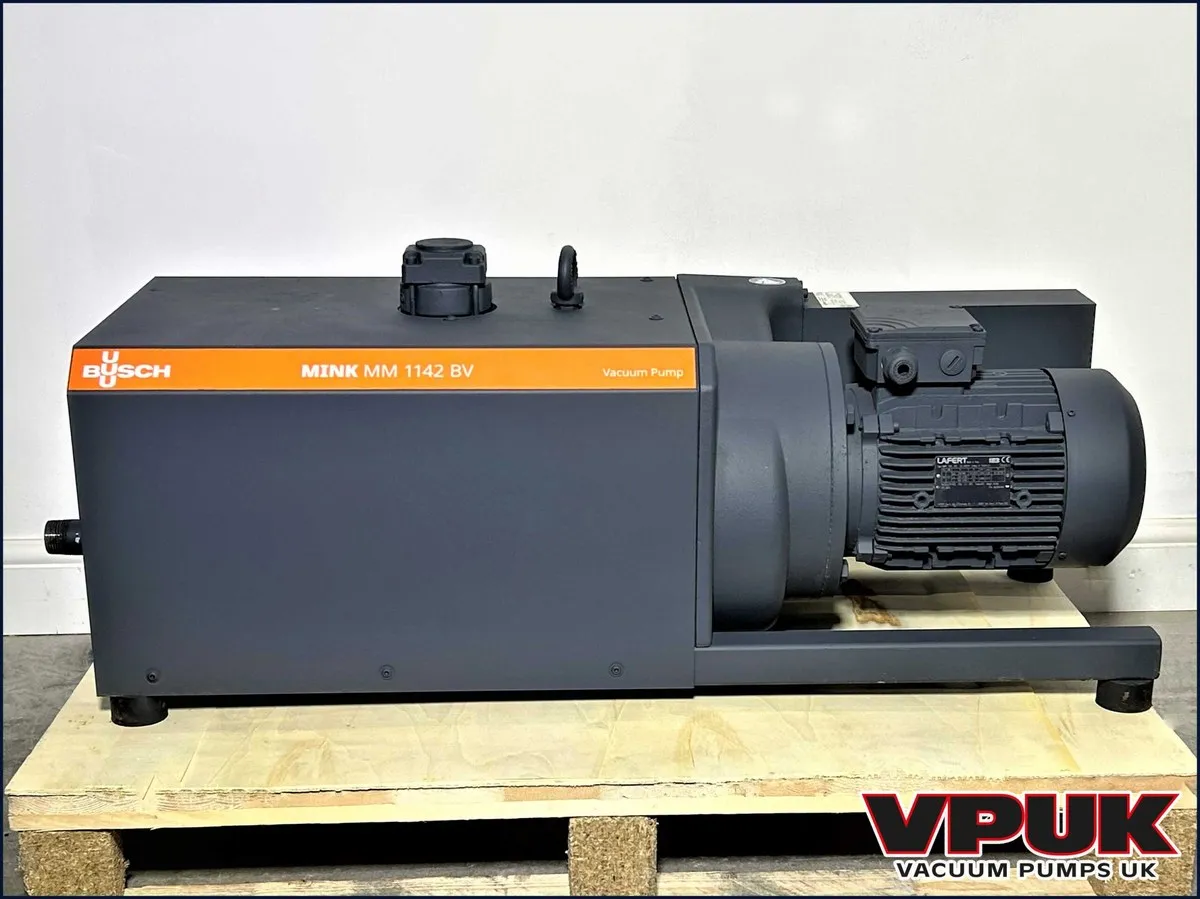
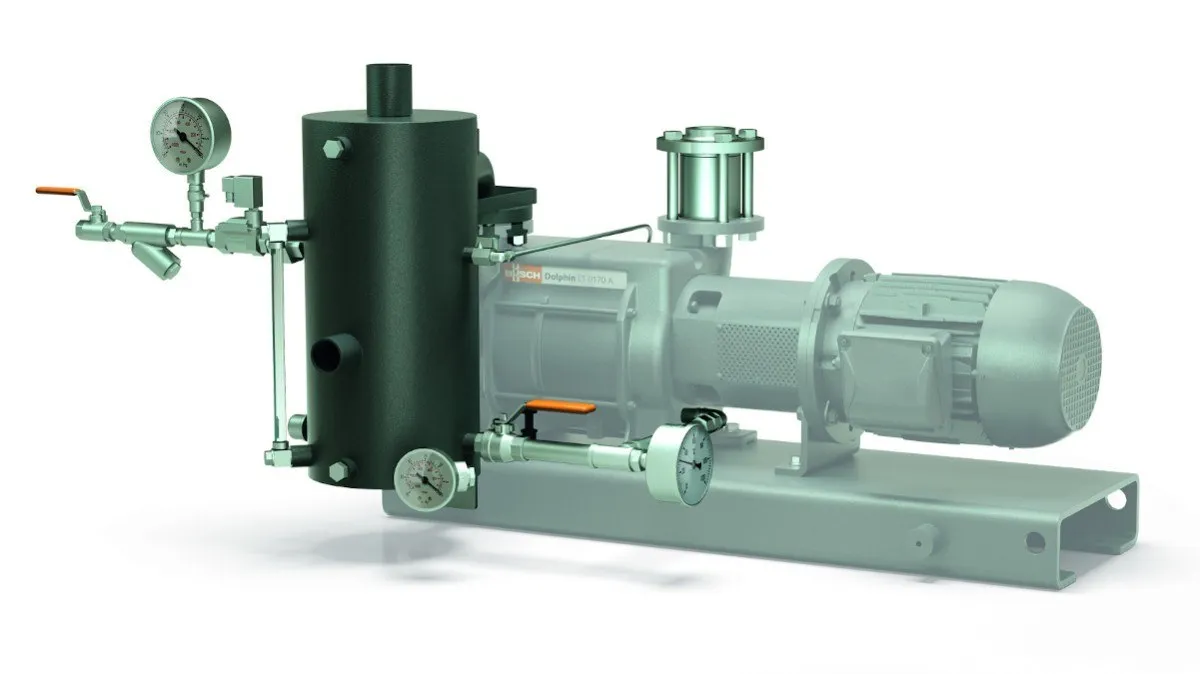
Various 7
 EquipLead time on quote
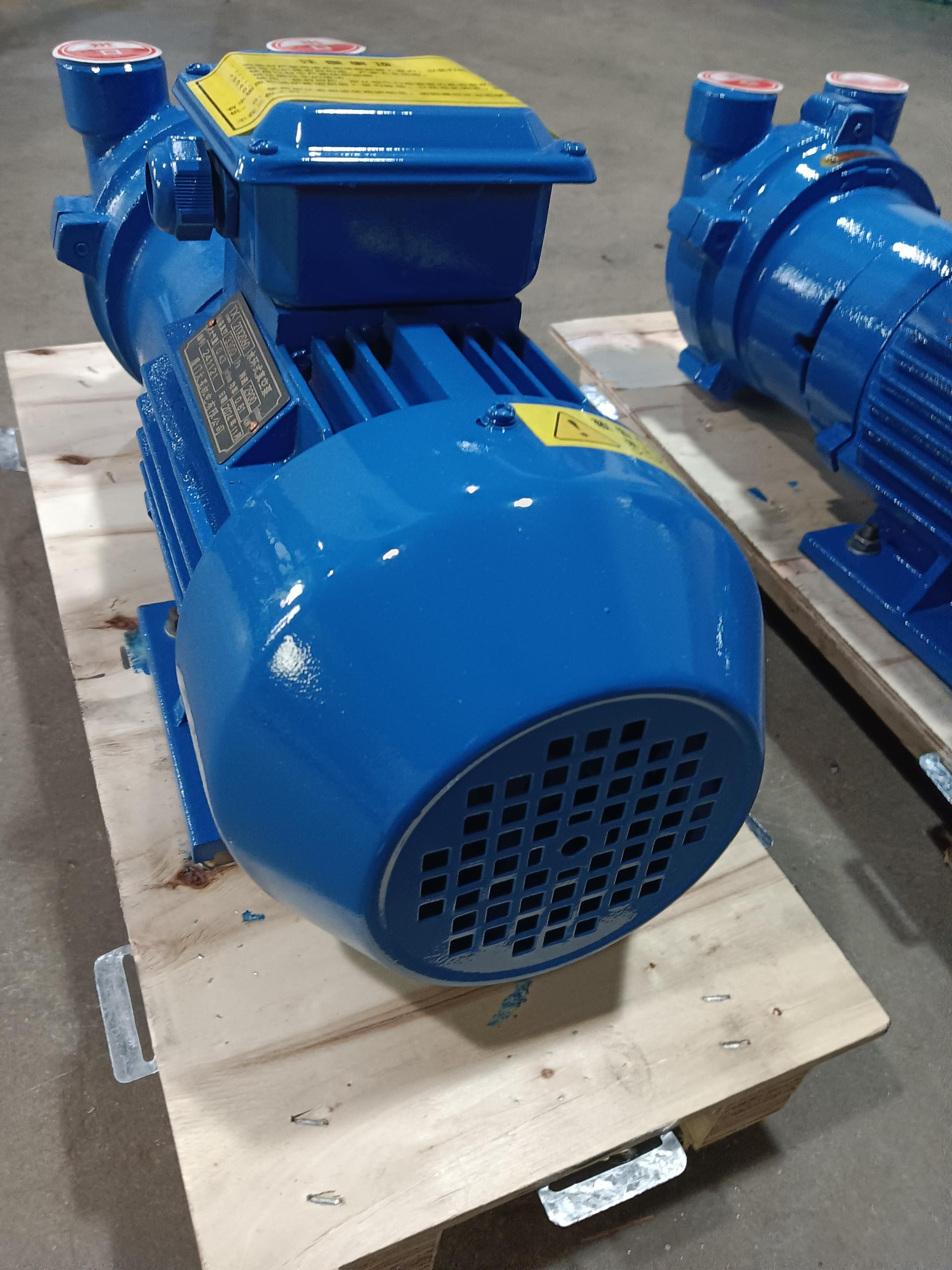
2TX2060
2TX2061
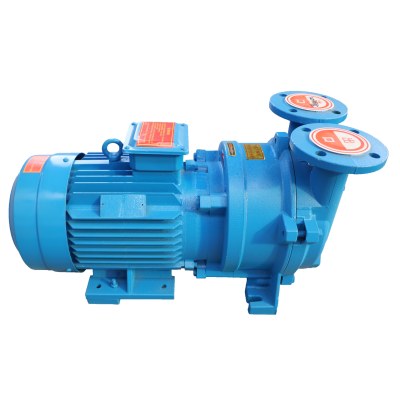
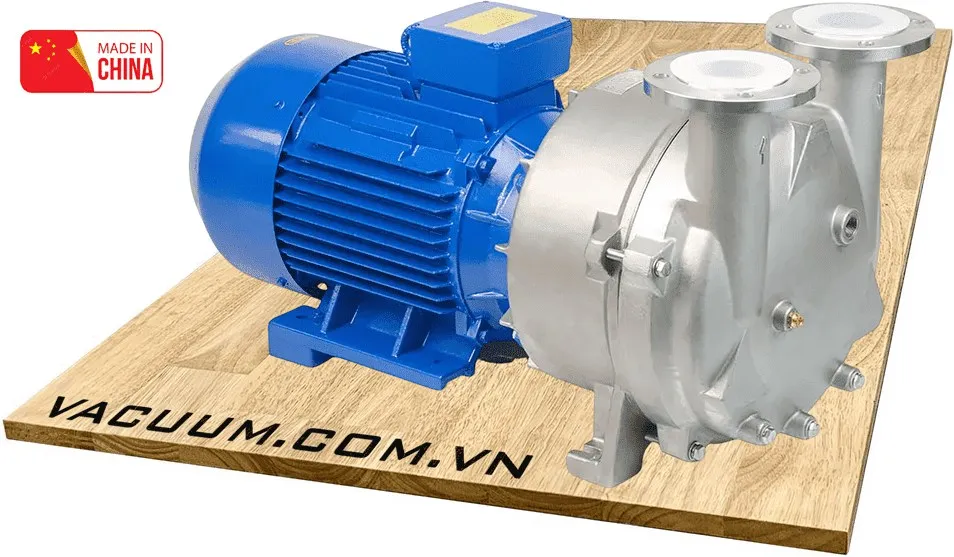
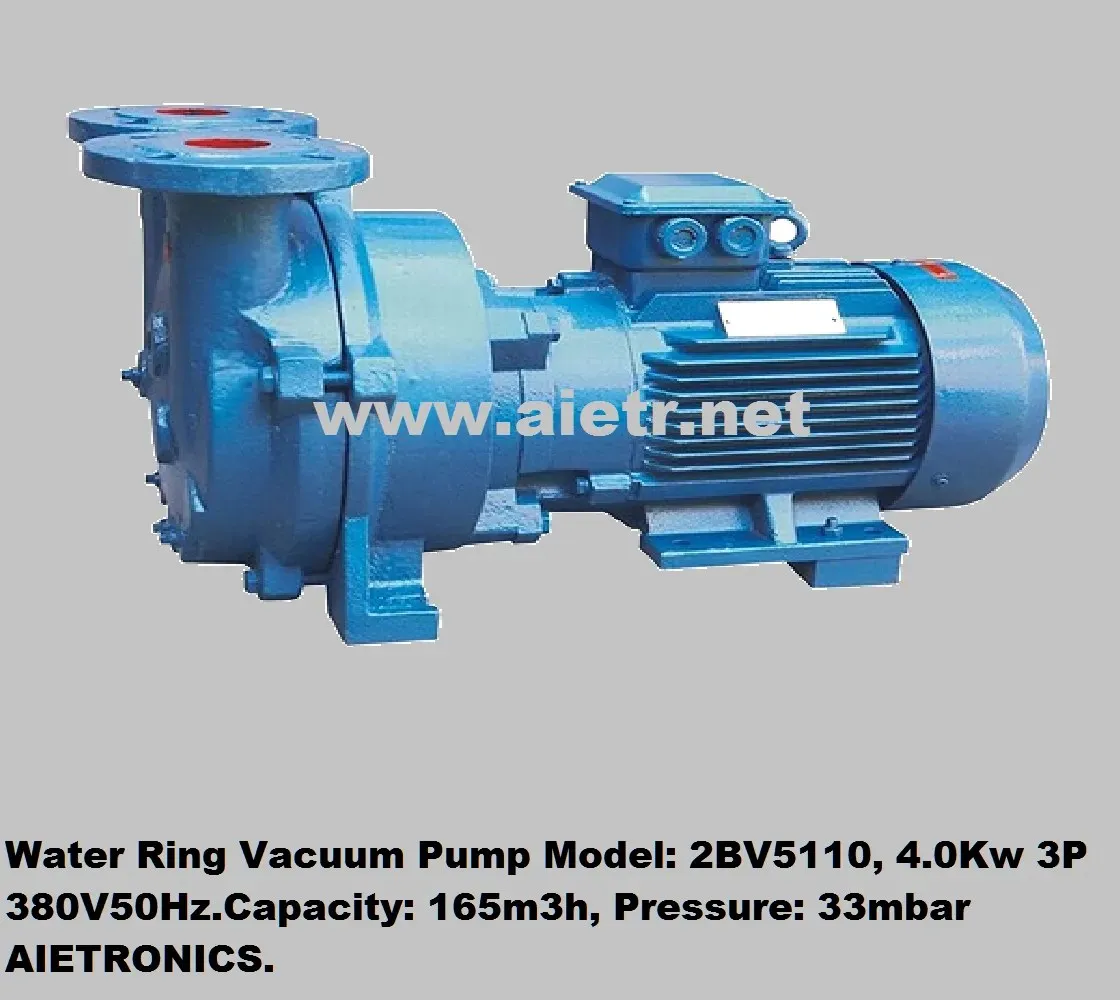
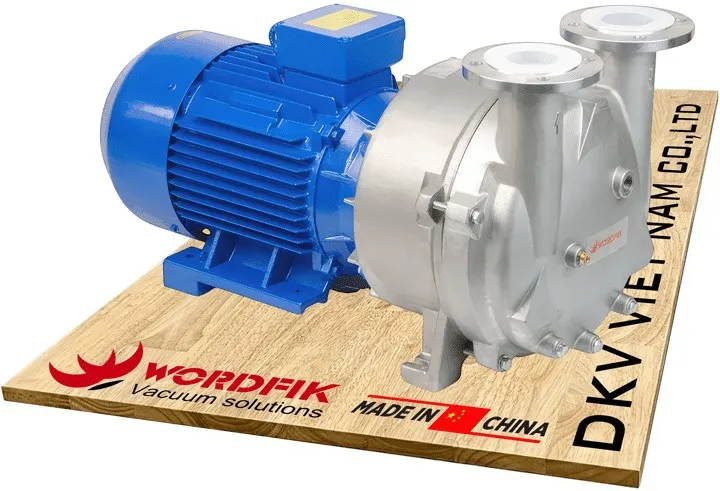
Nash 5
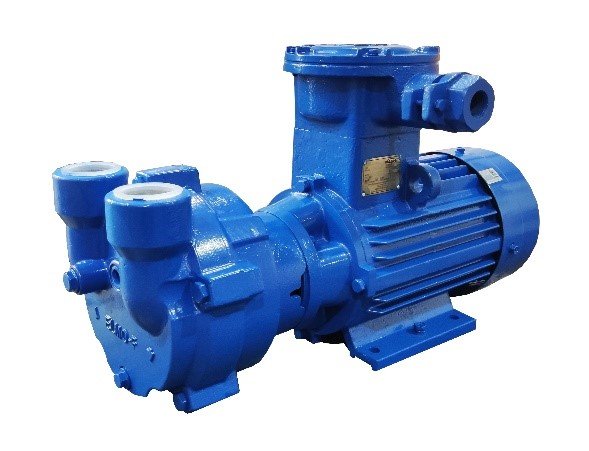
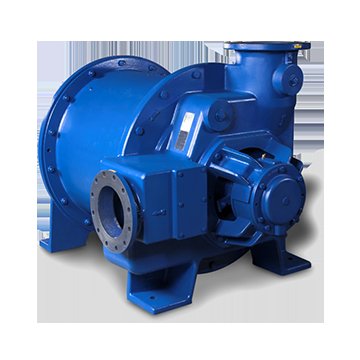
Other brands 2
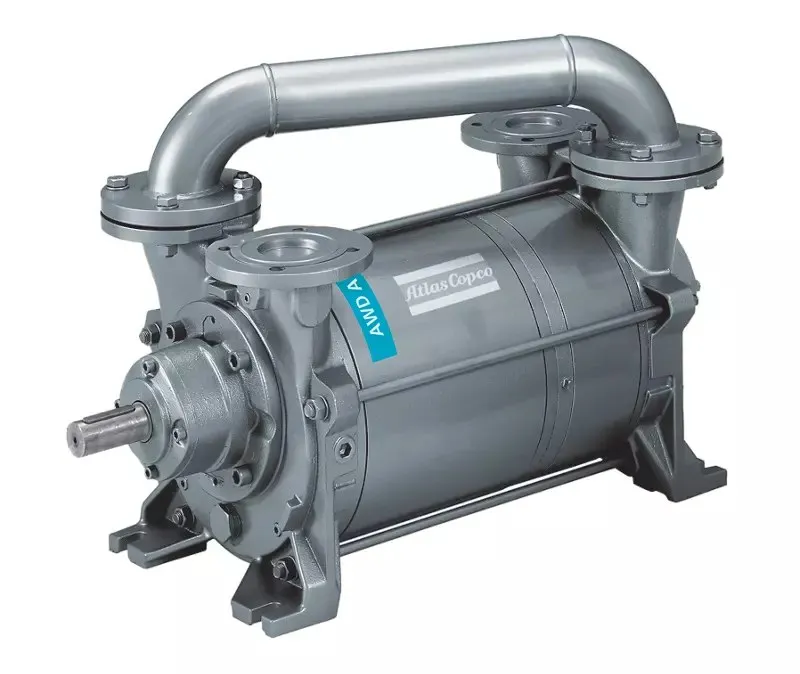
How to choose a liquid ring vacuum pump
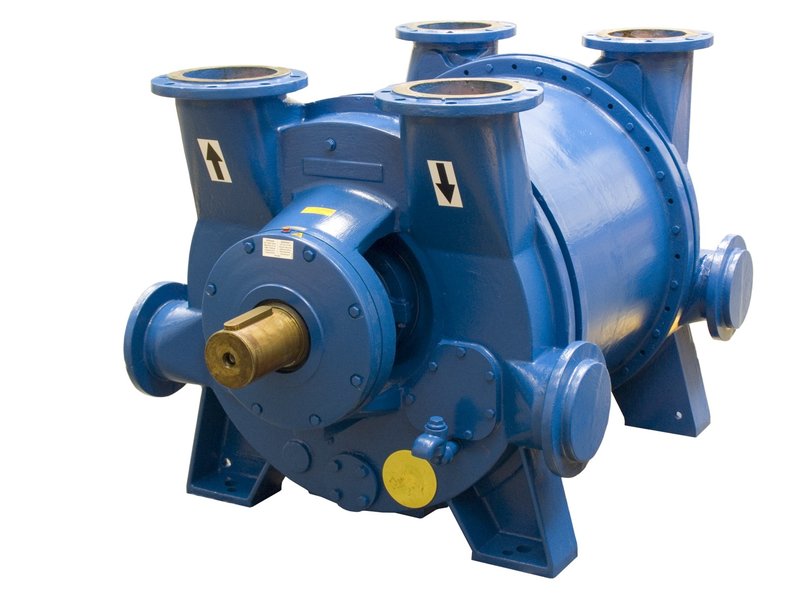
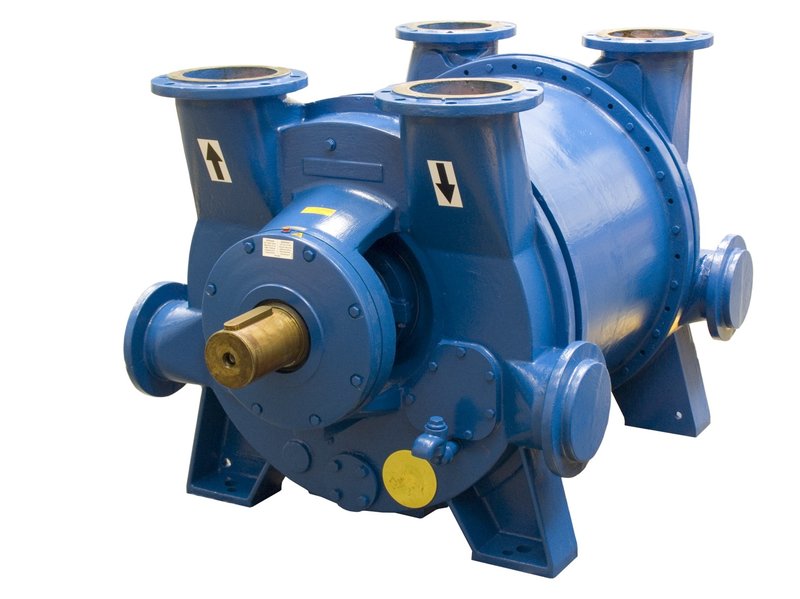
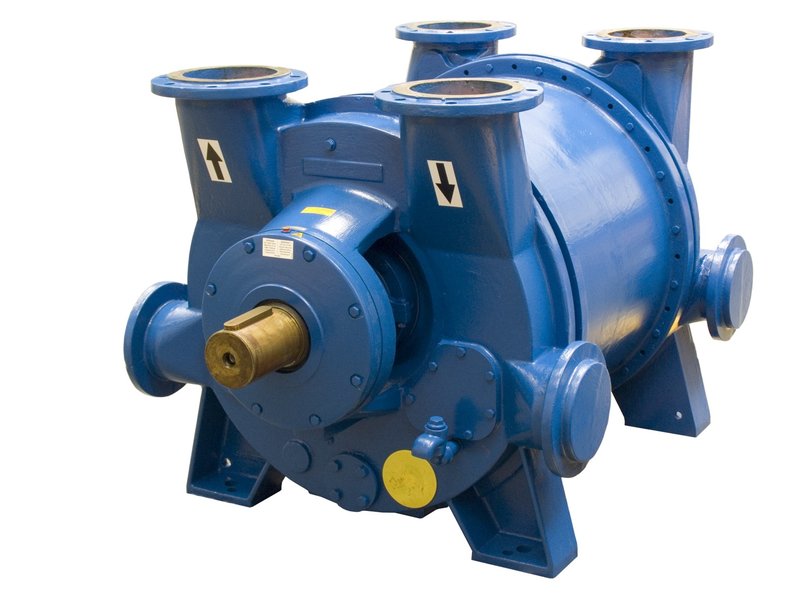
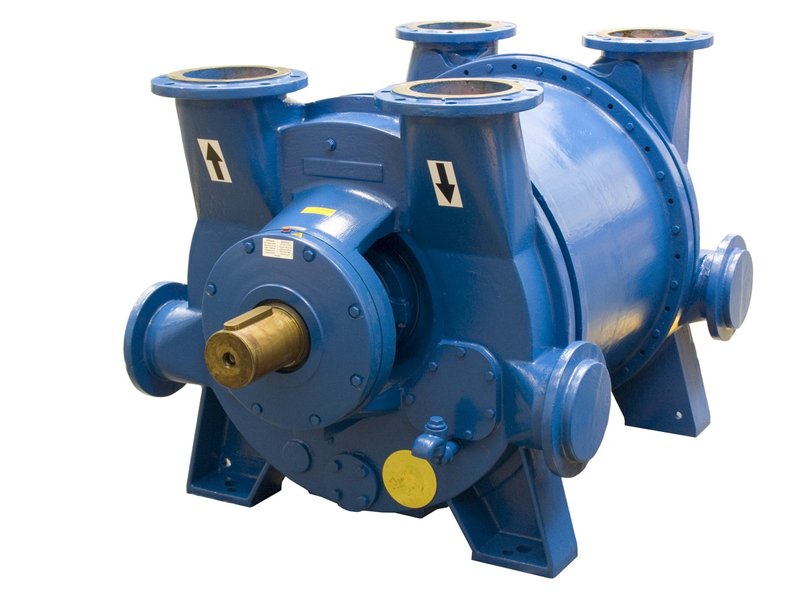
A liquid ring pump spins an impeller off-centre inside a casing partly filled with service liquid — usually water. Centrifugal force throws the liquid into a ring against the wall; because the impeller is offset, the cells between the blades grow and shrink as they rotate, drawing gas in and pushing it out. The liquid ring is the seal, so the pump swallows carry-over, slugs, dust and condensable vapour that would wreck a dry pump.
Read the full guide →FAQ
How much service water does a liquid ring pump need?
Every model has a specified service liquid flow on its data sheet — it is what forms the sealing ring and carries away compression heat. Too little water and the pump loses vacuum and overheats; too much wastes water and can cause cavitation noise. Recirculating the water through a heat exchanger is the usual way to cut consumption.
What limits the ultimate pressure of a liquid ring pump?
The vapour pressure of the service liquid. With 15 °C water the practical floor is around 33 mbar; warmer water raises it, and colder water or a low-vapour-pressure liquid lowers it. If you need better than that, add a gas ejector stage or a Roots booster ahead of the pump.
Can a liquid ring pump handle wet, dirty or corrosive gas?
This is exactly what it is good at — the liquid ring tolerates carryover of liquid and vapour that would destroy a dry or oil-sealed pump. For corrosive duty specify stainless steel or bronze wetted parts and a compatible service liquid; for explosive atmospheres specify the ATEX version.
Single-stage or two-stage — which do I need?
Single-stage covers most industrial duty down to roughly 130 mbar; two-stage reaches closer to the water vapour limit and holds capacity better at low suction pressure. If your process sits at the deep end of the range most of the time, two-stage pays for itself in shaft power.
Are your pumps interchangeable with Nash or Siemens 2BE/2BV units?
The 2BE, 2BV and CL families are built to the same duty points and connection dimensions as the corresponding Nash and Siemens units, and we also supply wear parts for those originals. Send the nameplate data — model, speed, capacity and connection size — and we will confirm the equivalent and any adapter needed.