
Dry Scroll Pumps
Dry Scroll Pumps 106 products
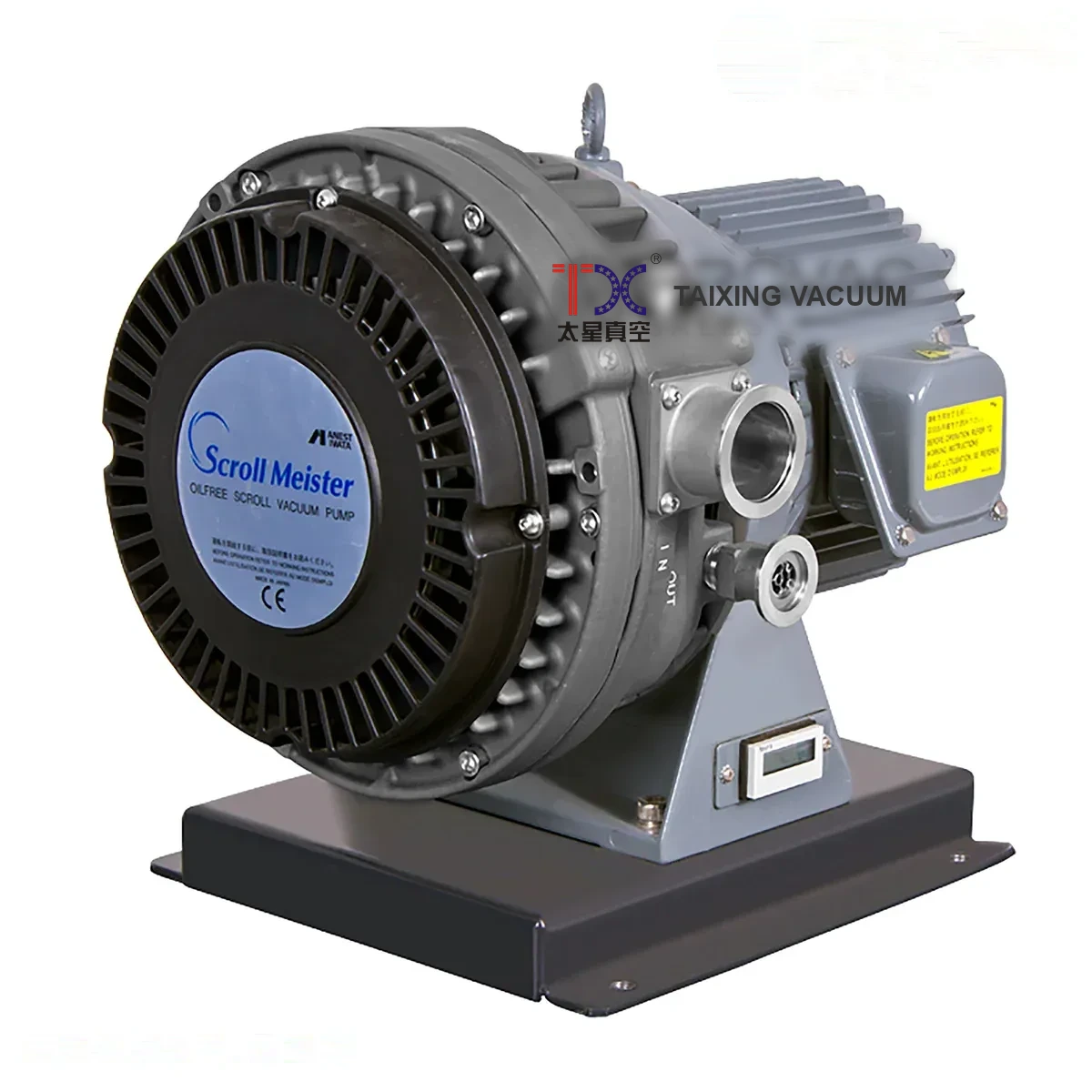
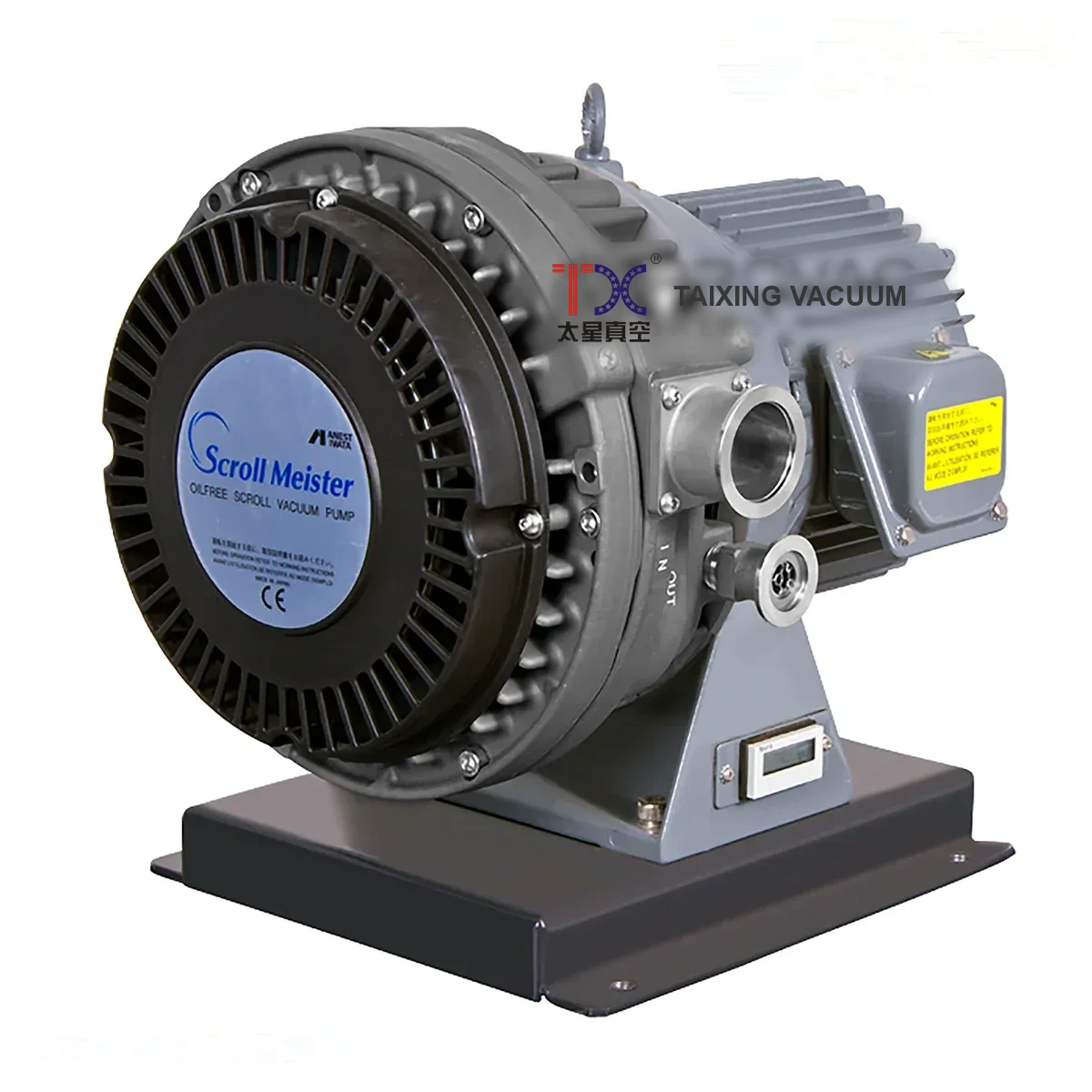
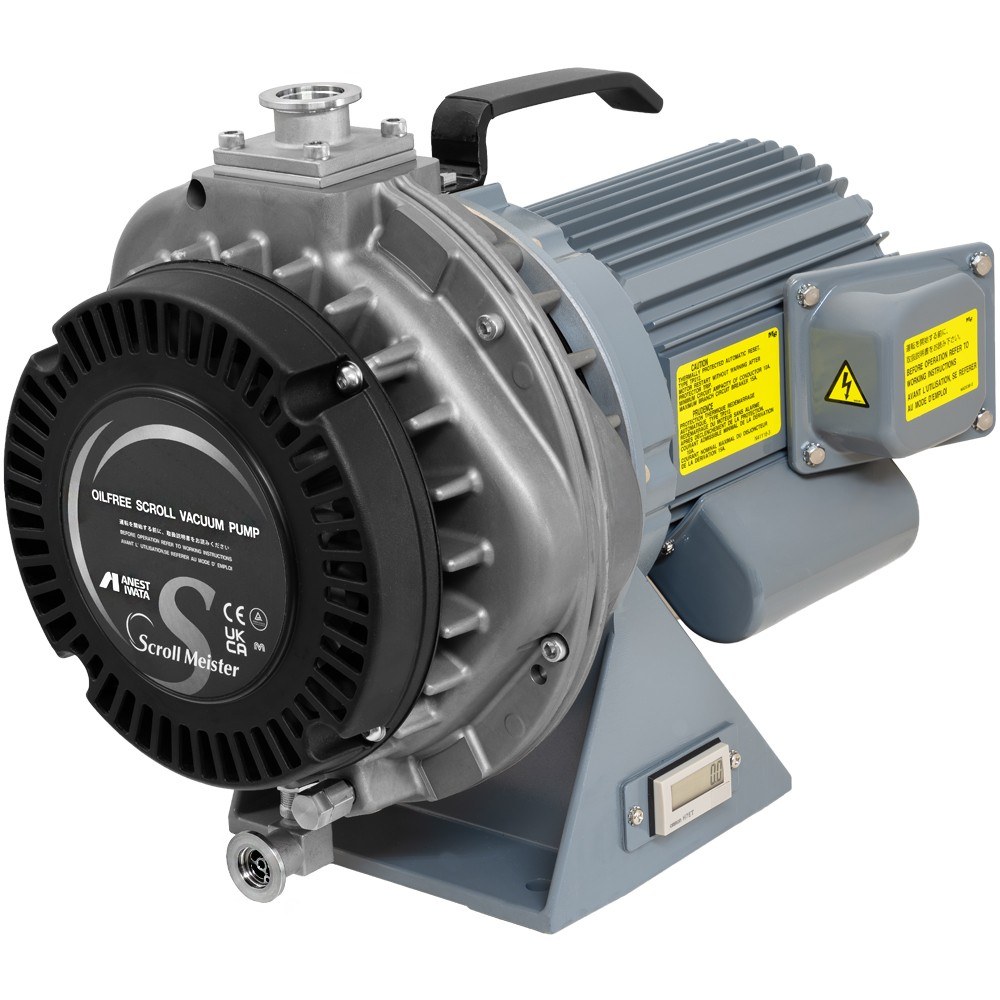
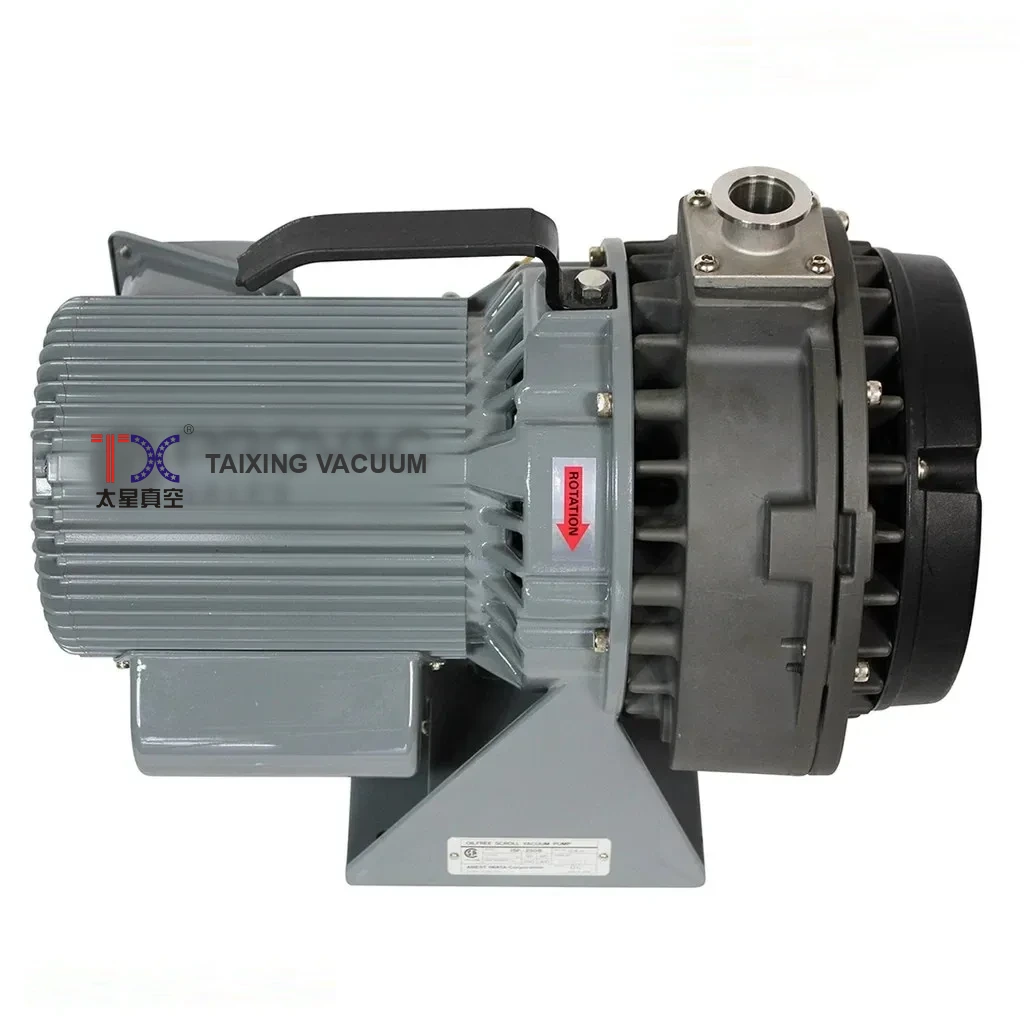
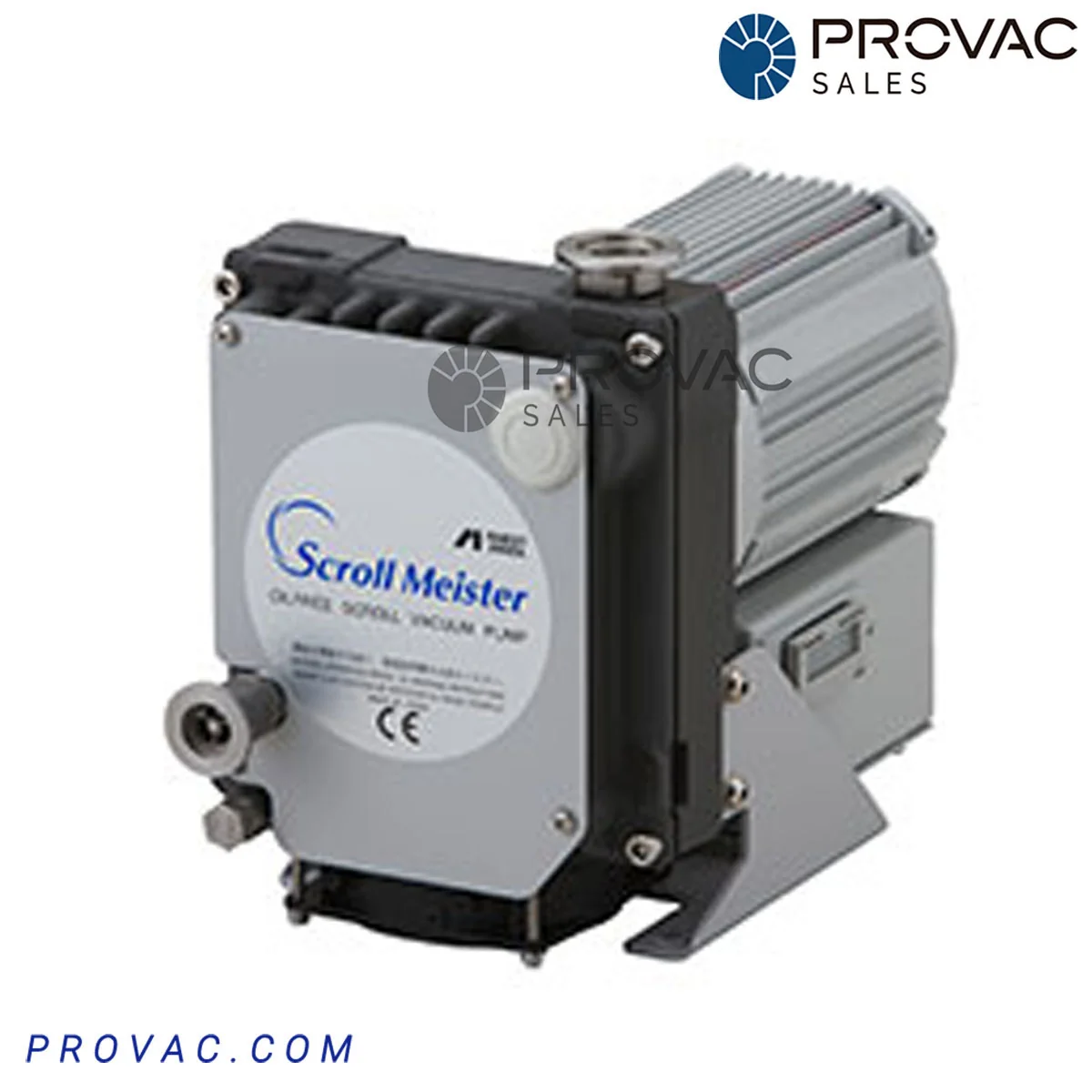
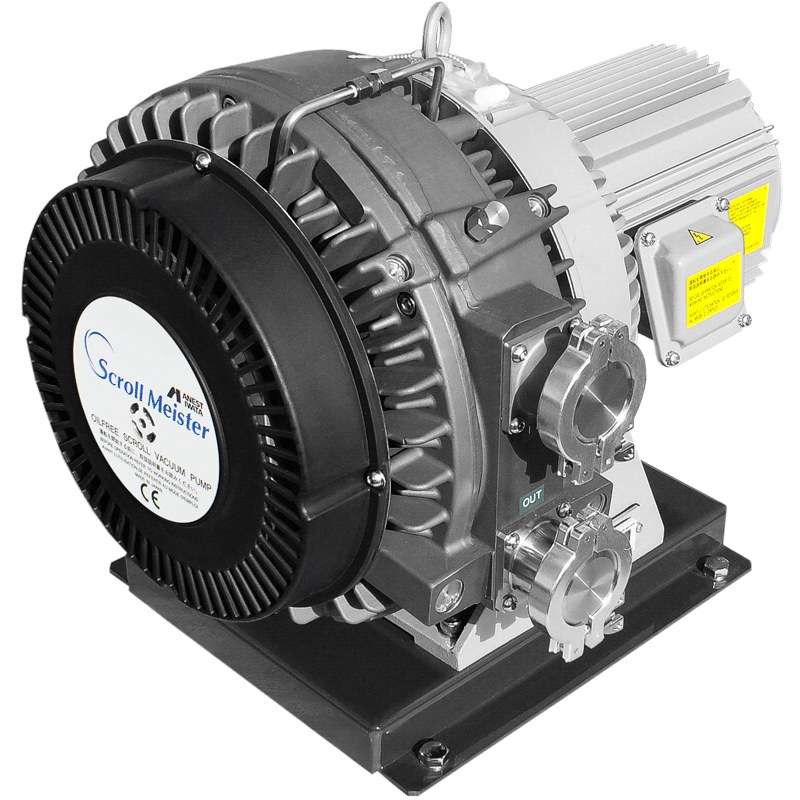
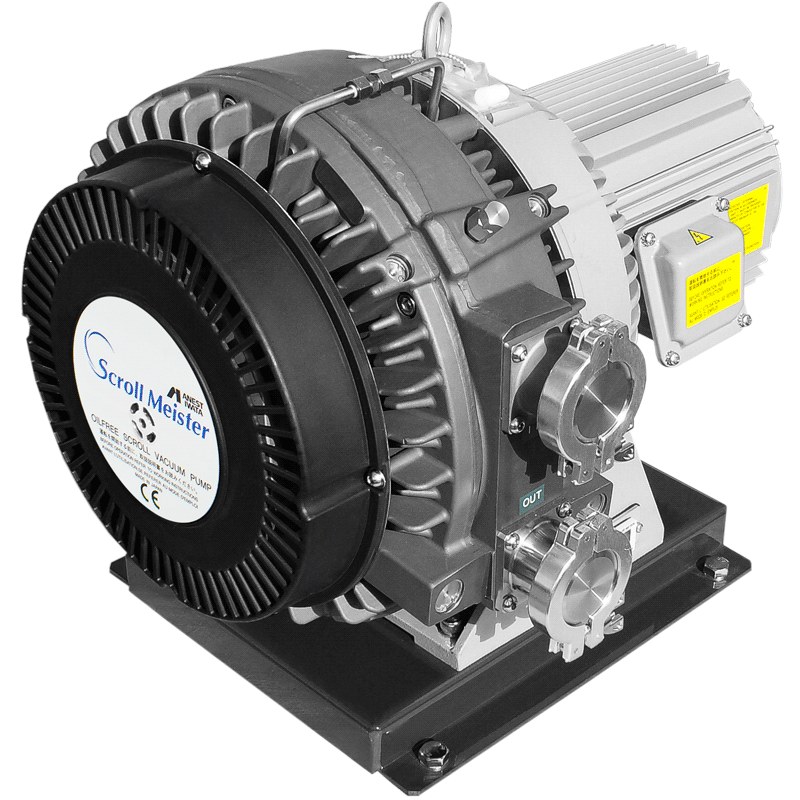
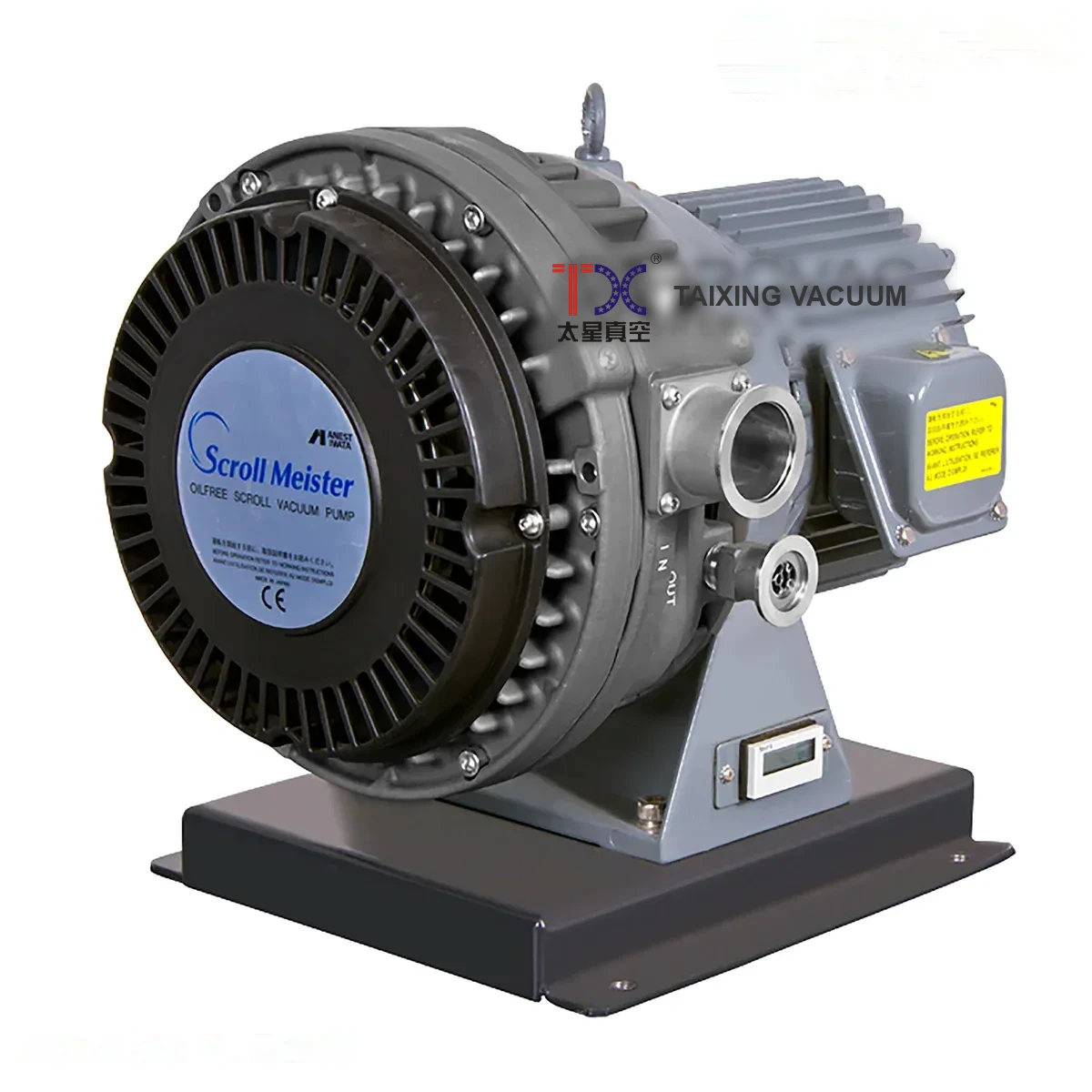
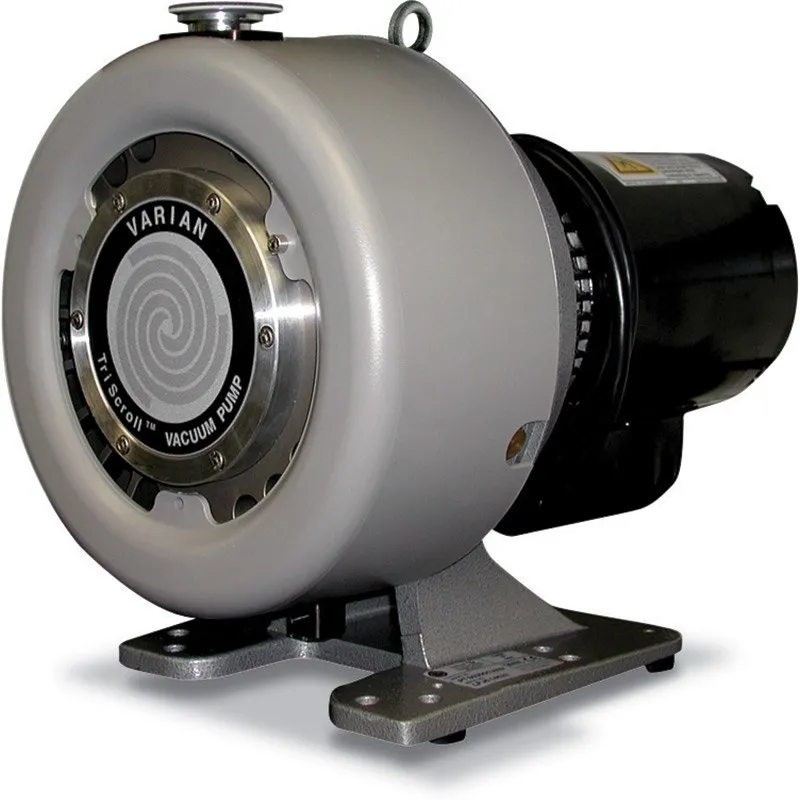
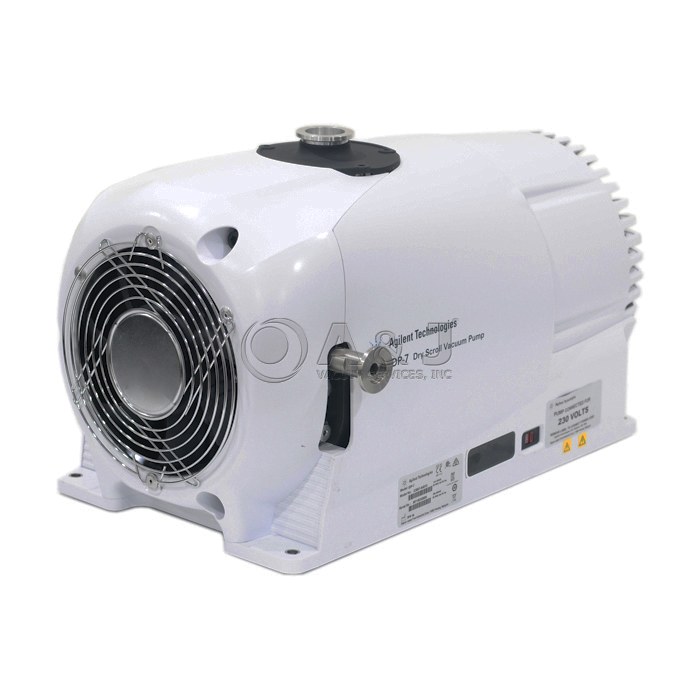
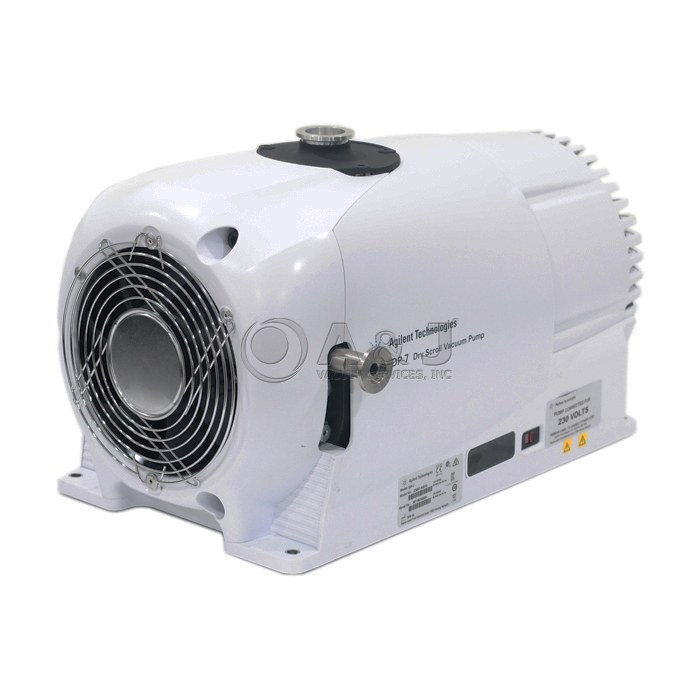
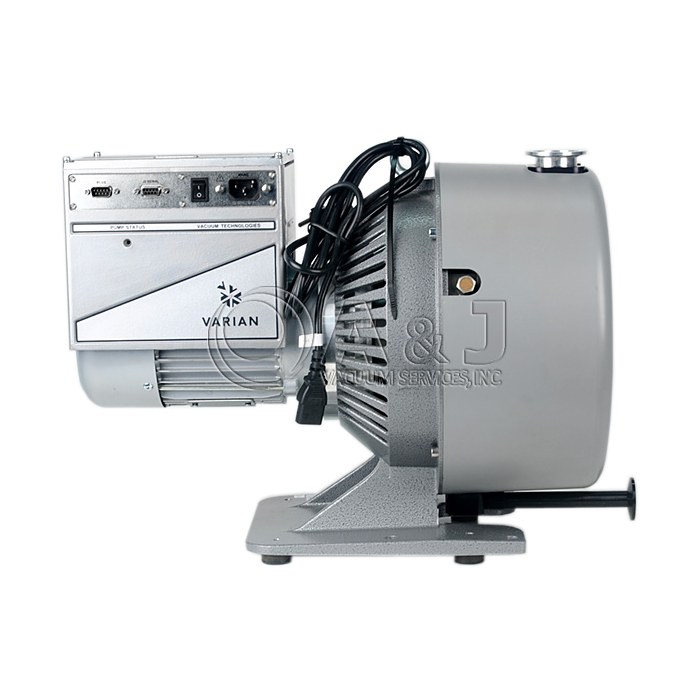
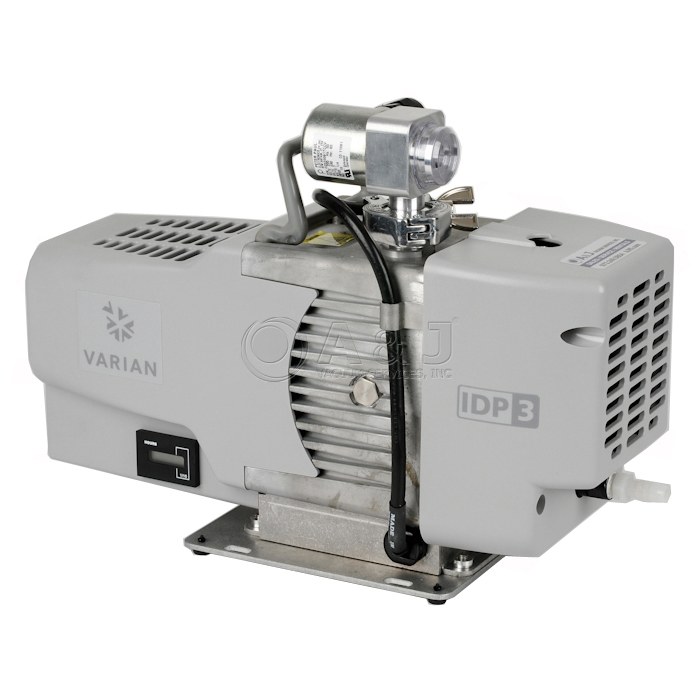
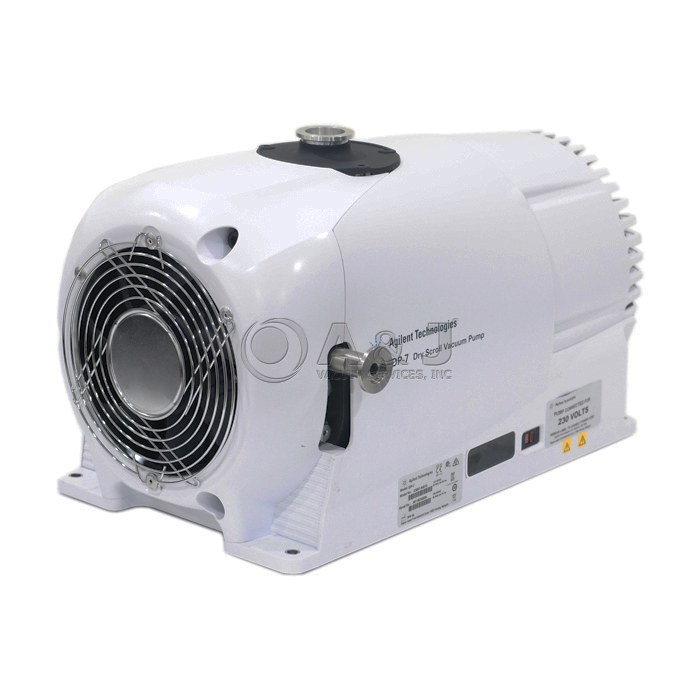
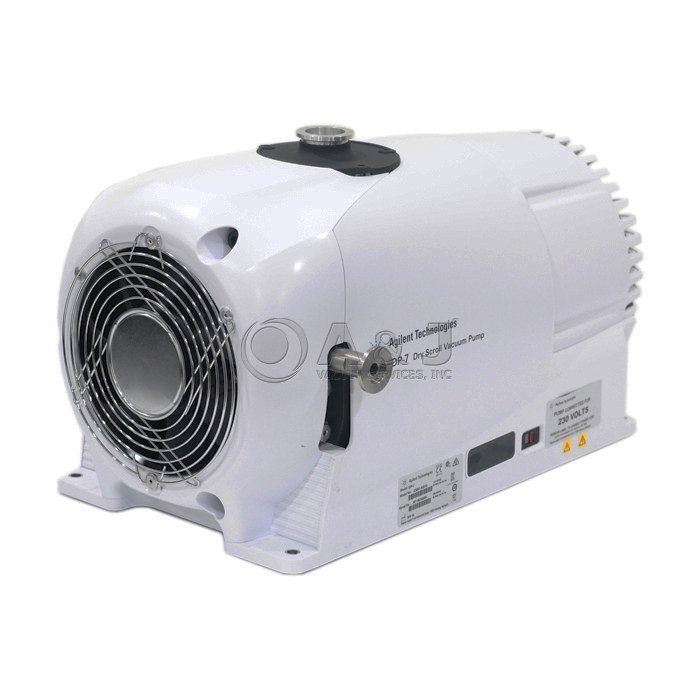
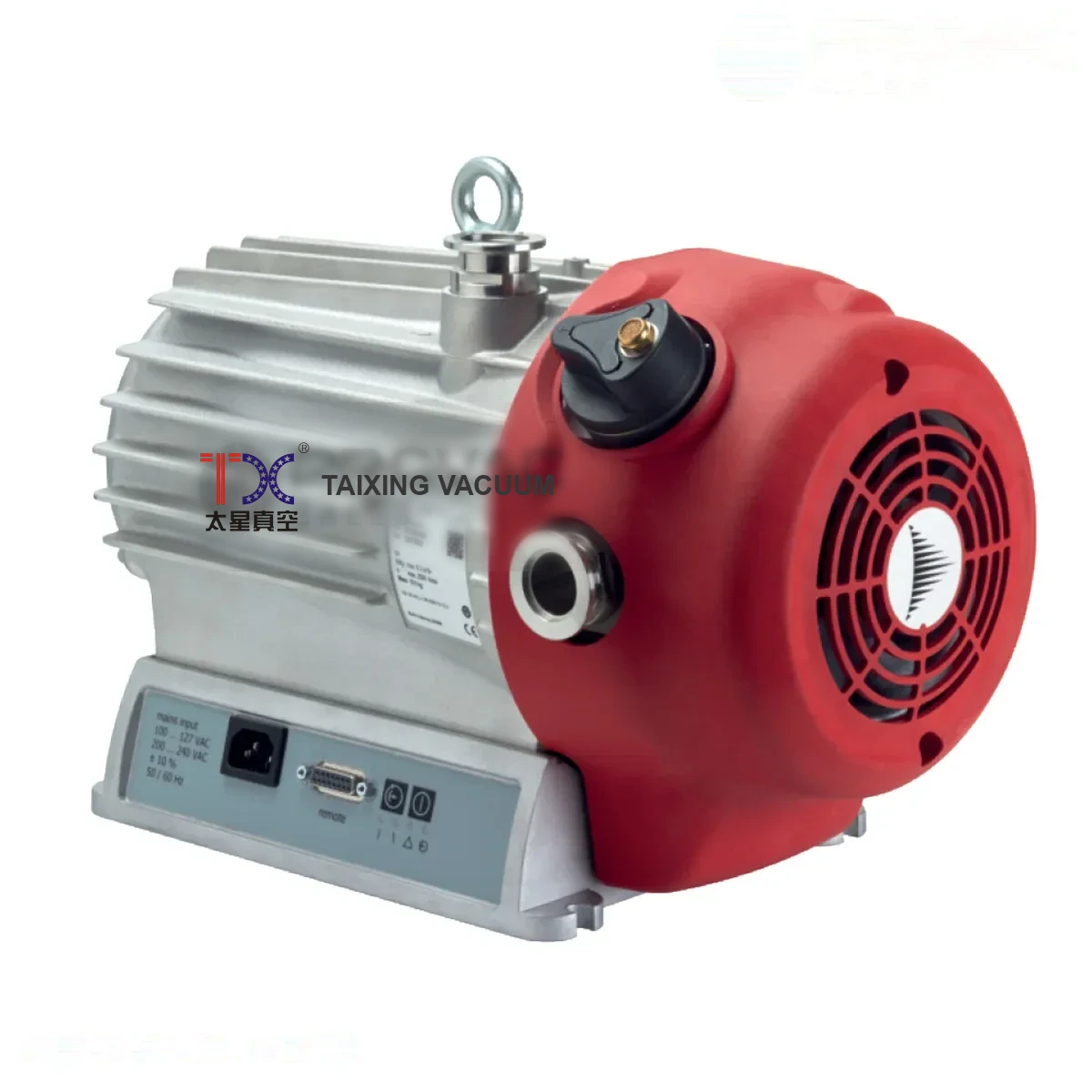
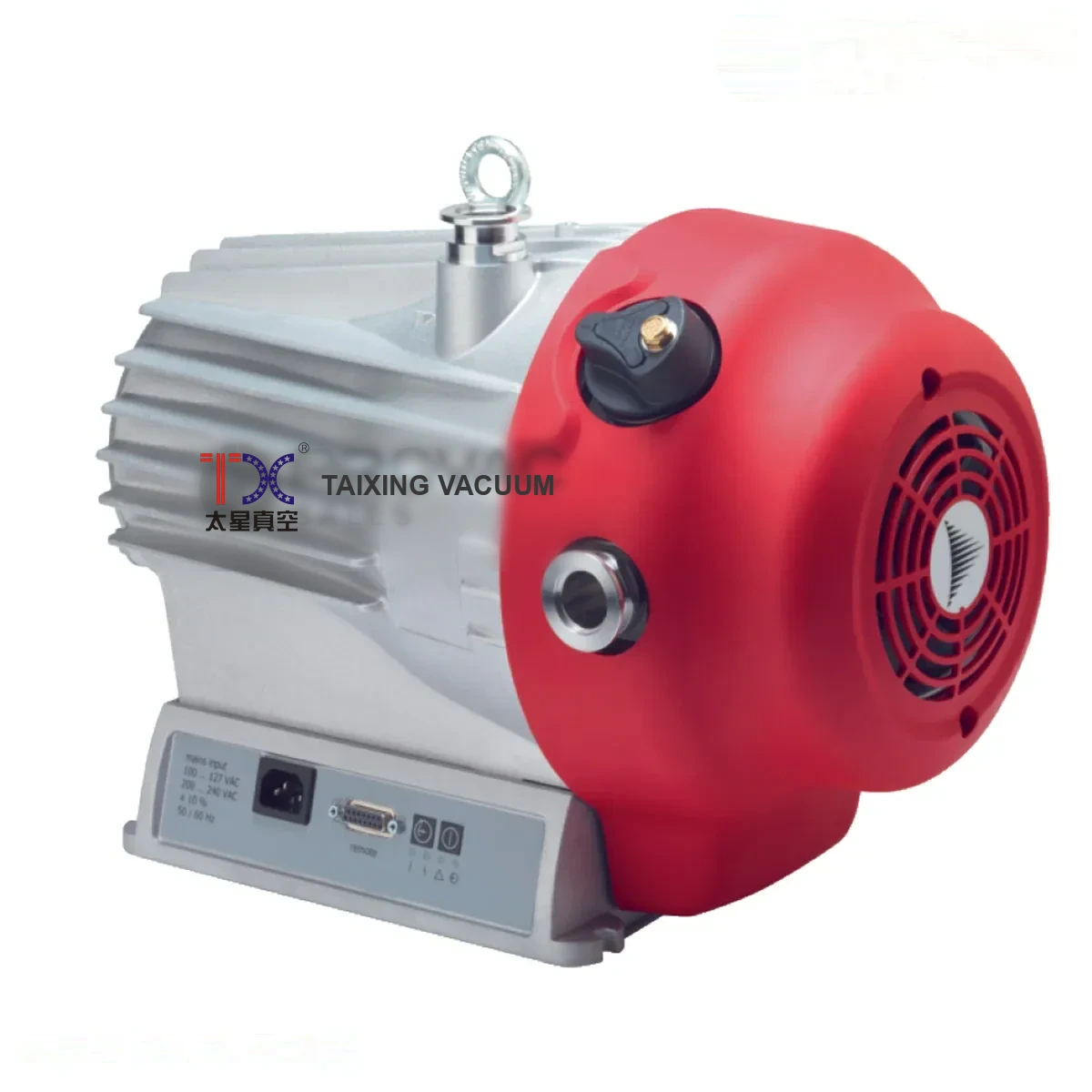
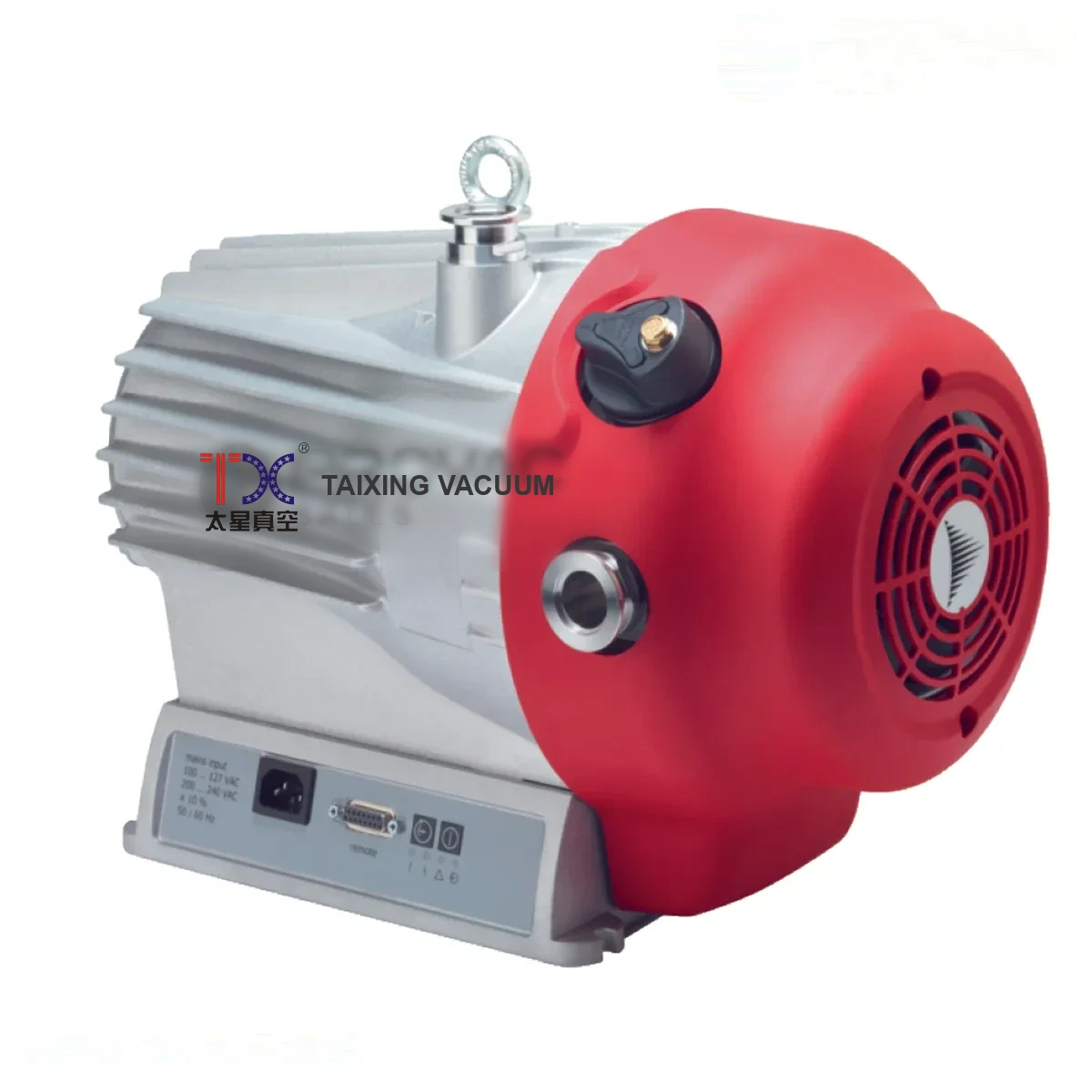
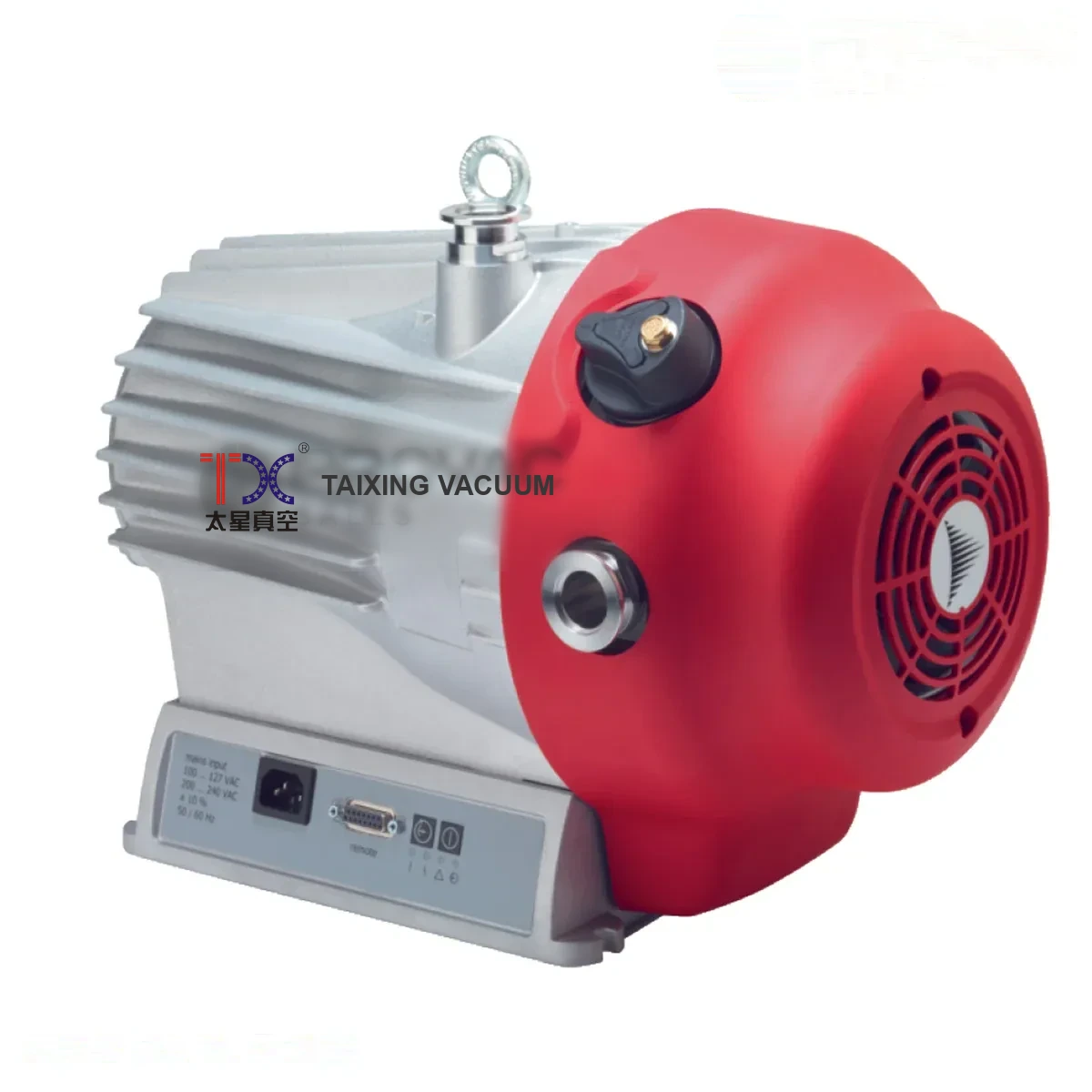
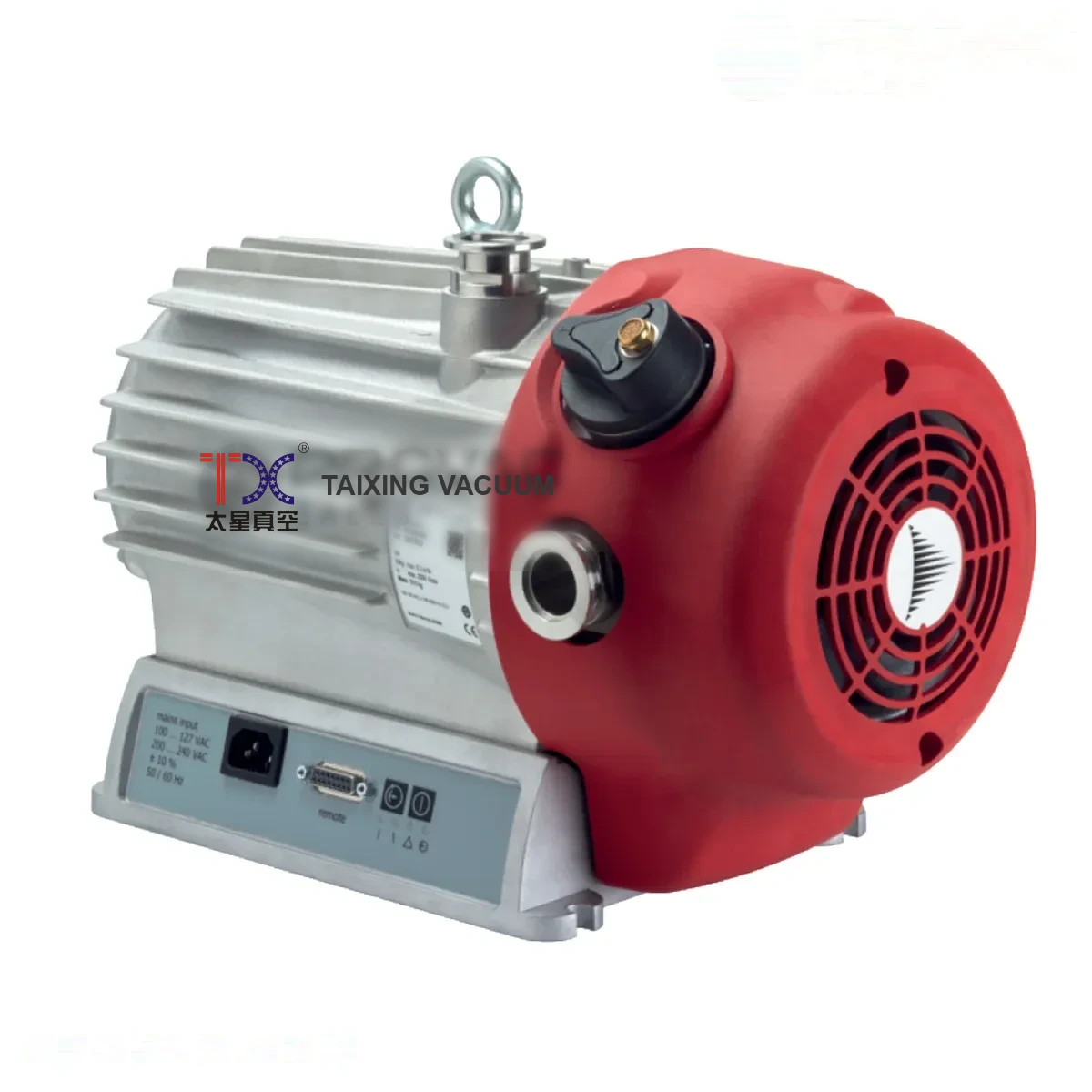
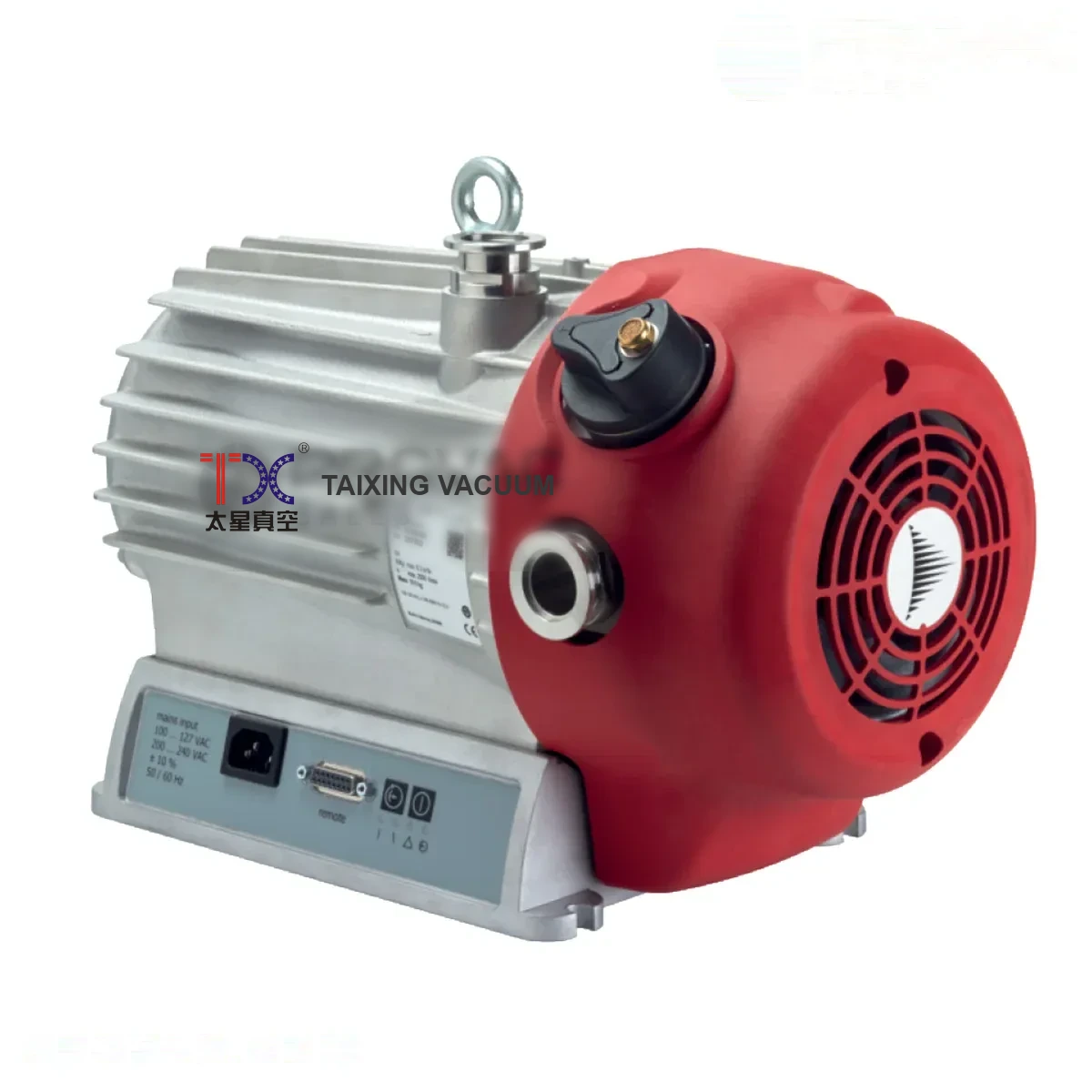
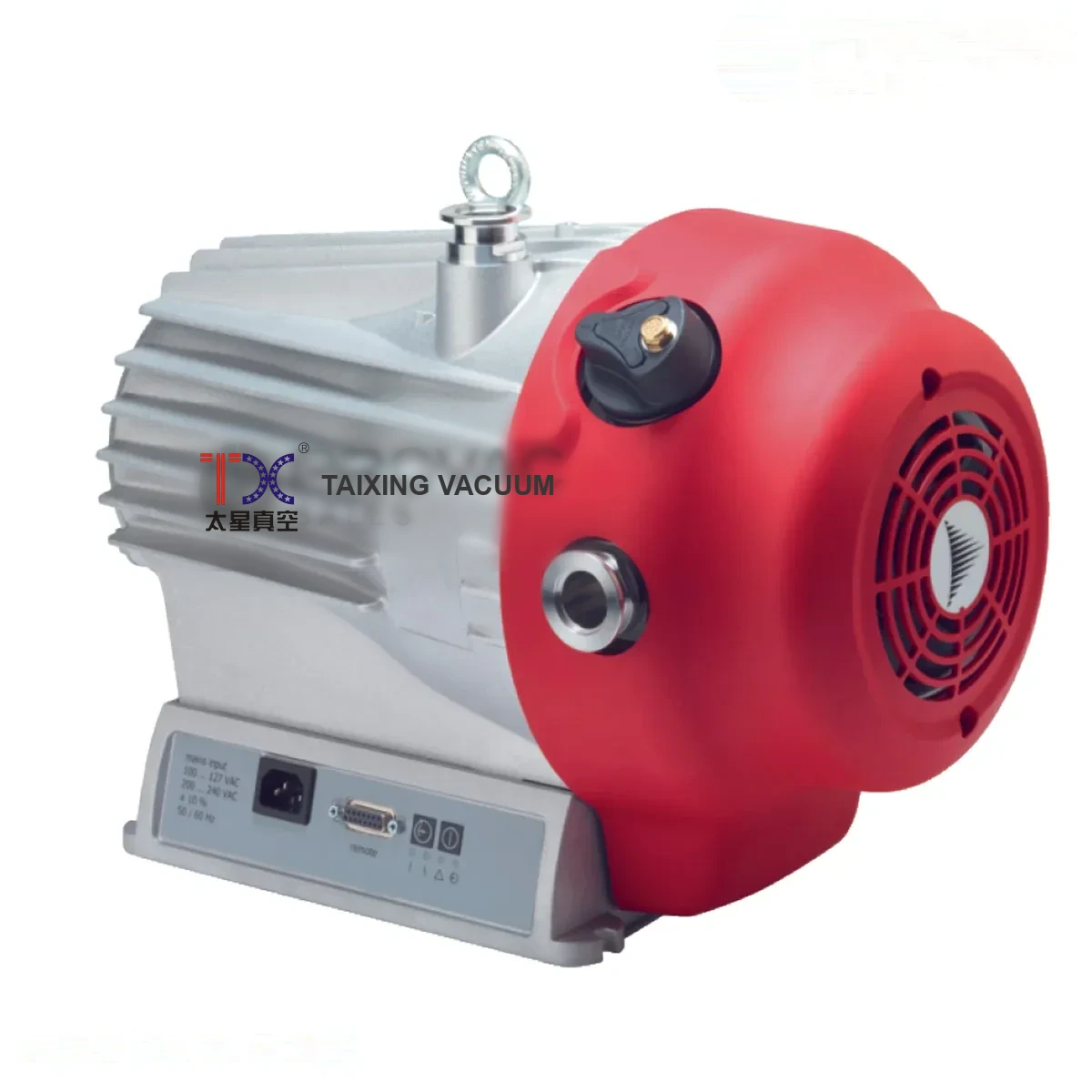
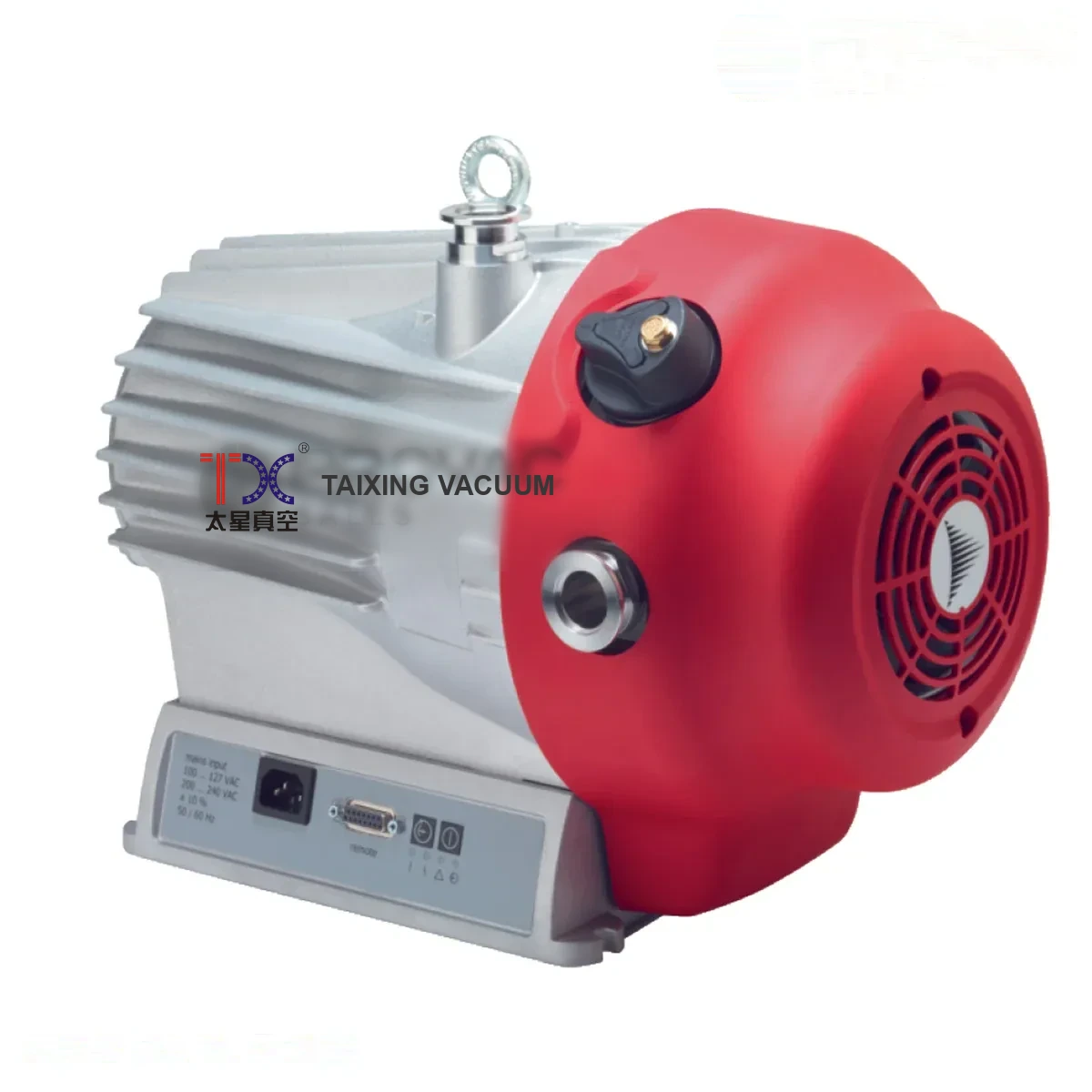
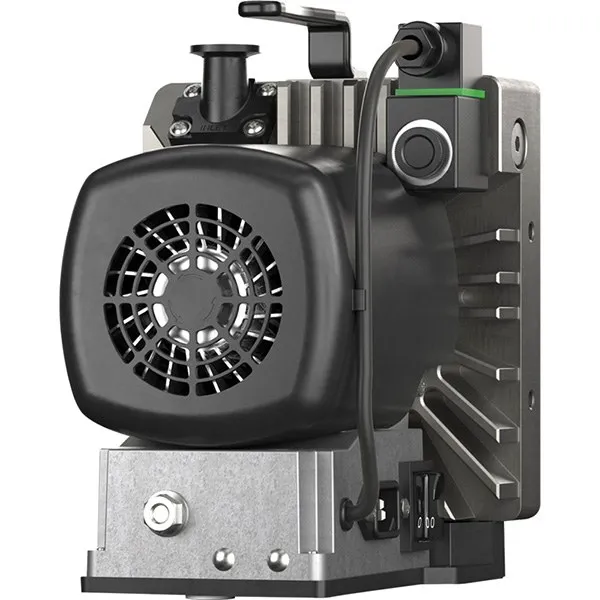
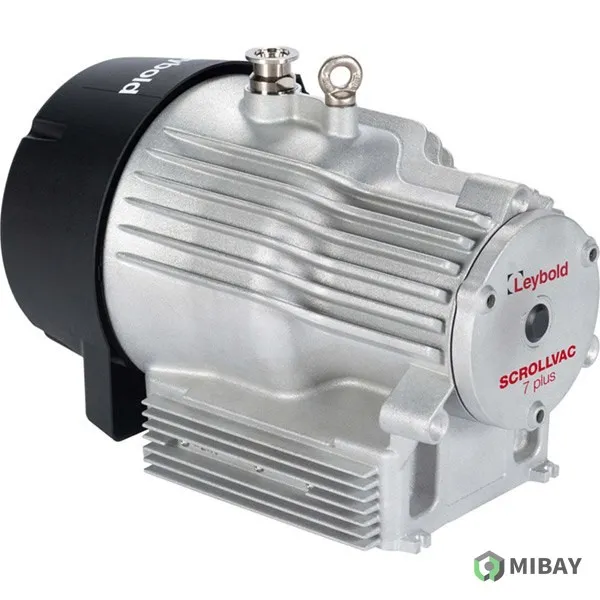
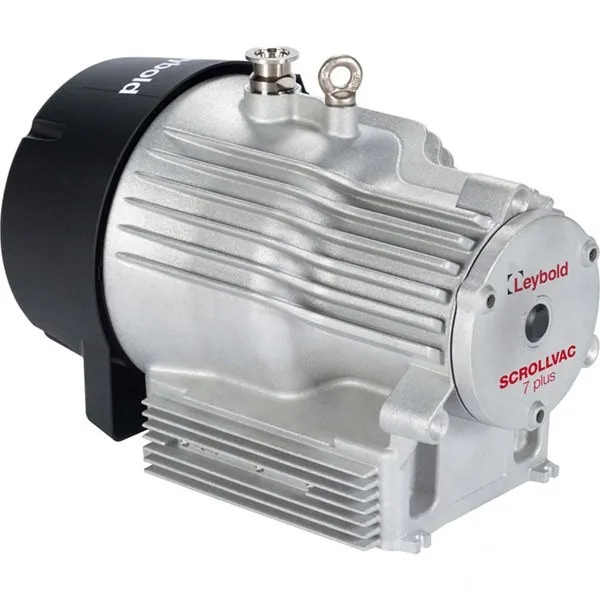
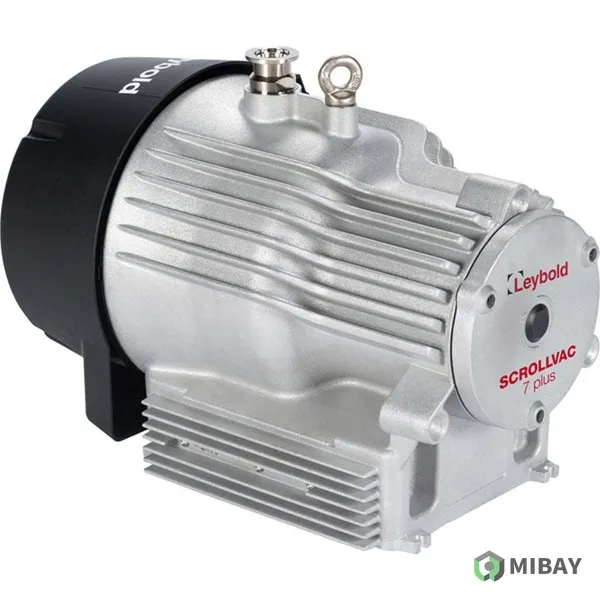
Oil-free dry scroll pumps delivering clean, maintenance-free vacuum for analysis, research and cleanroom processes.
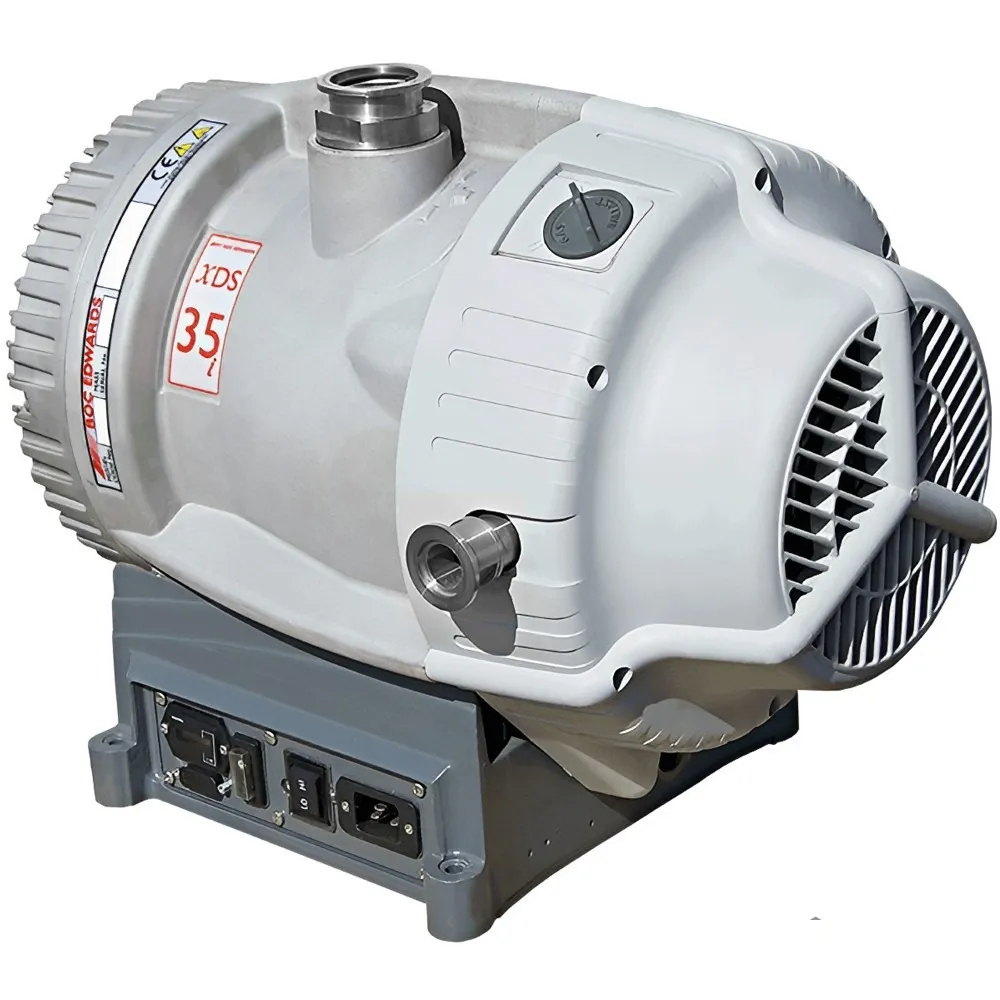
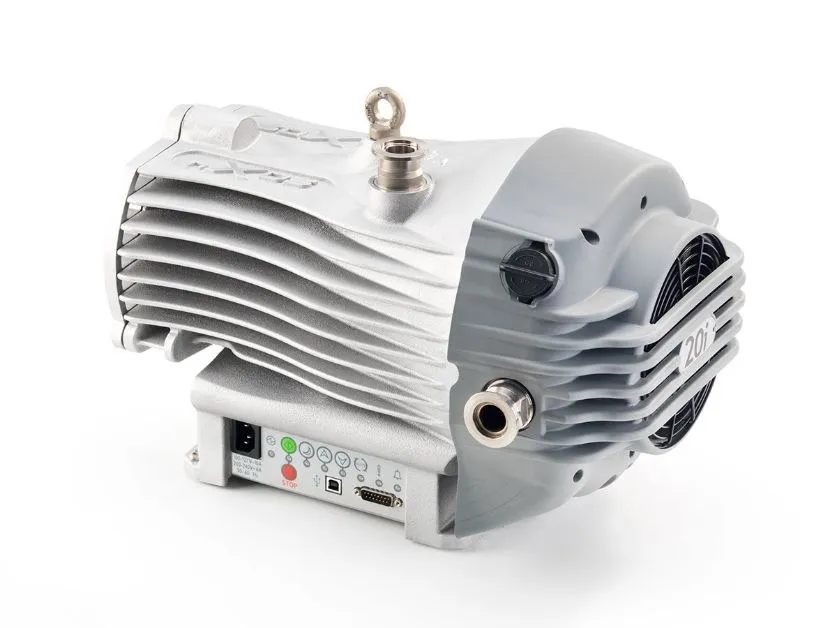
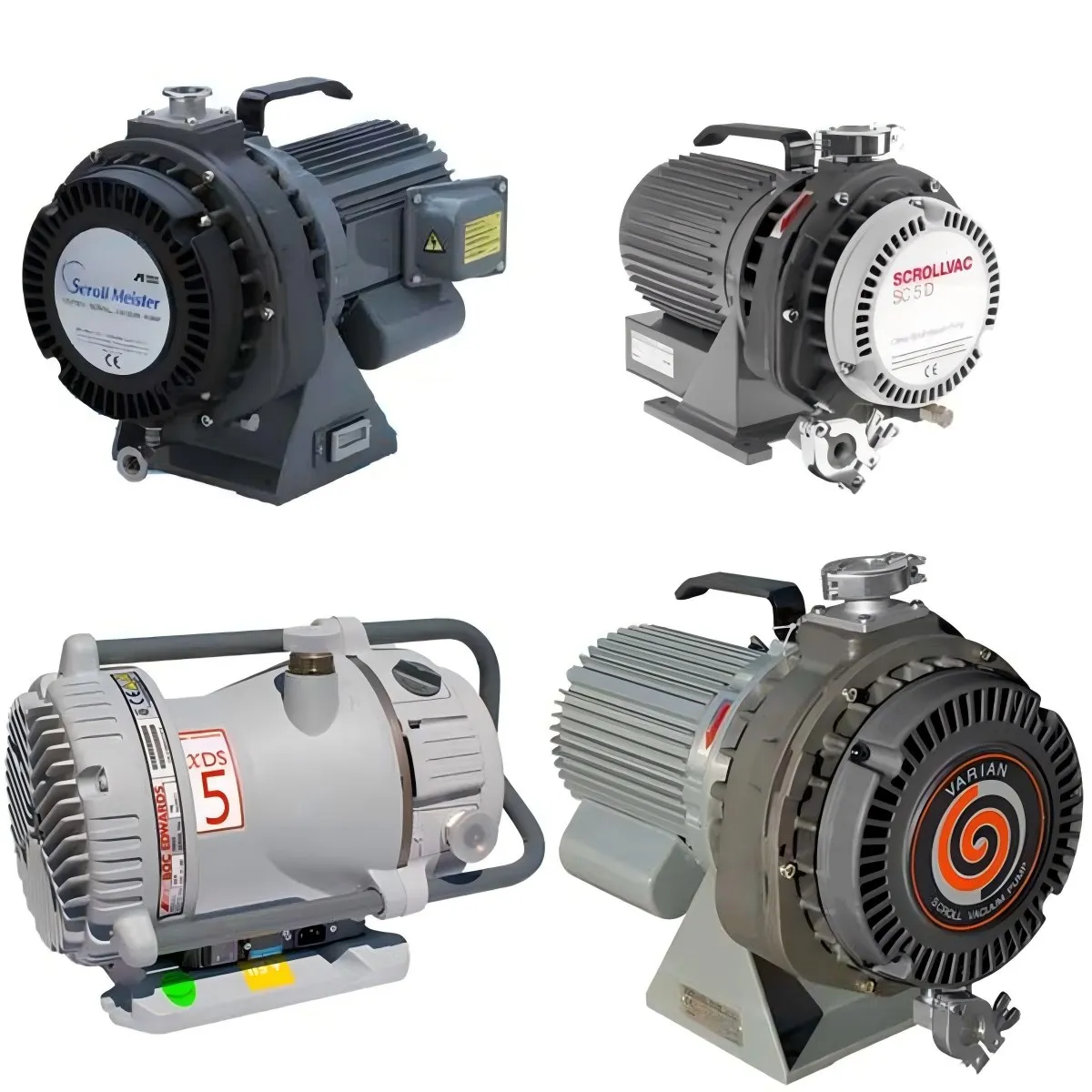
Edwards 22
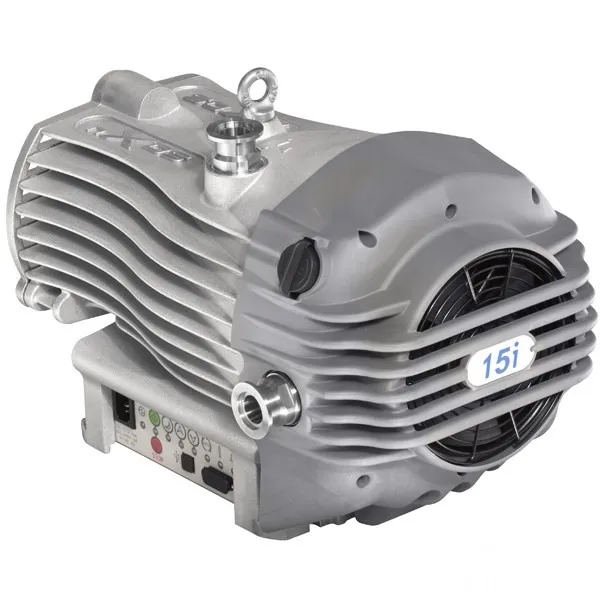
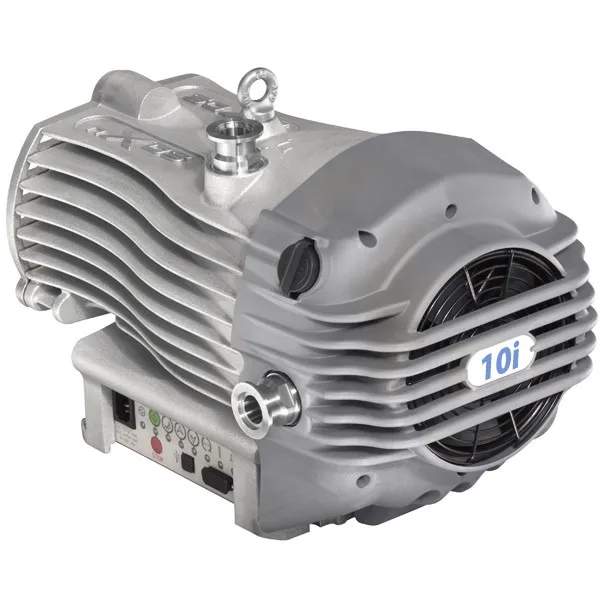
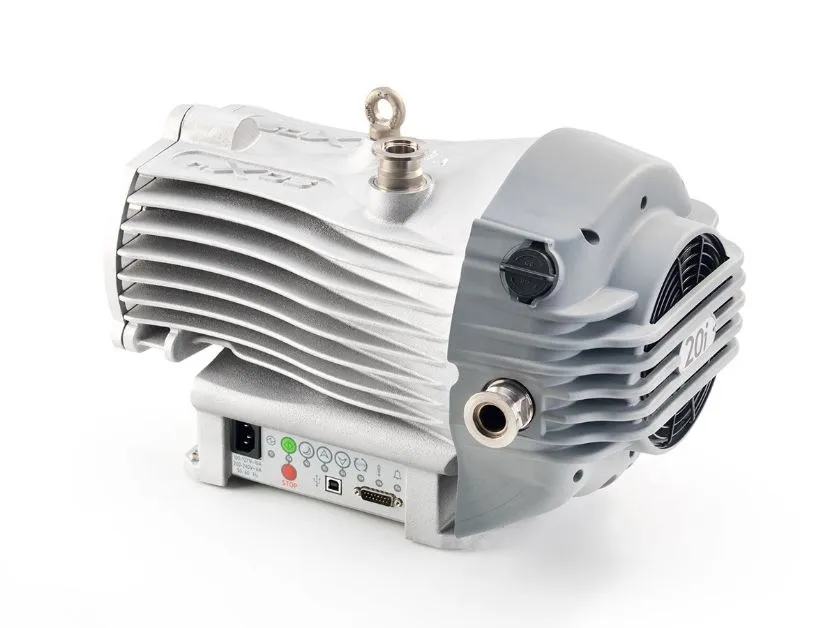
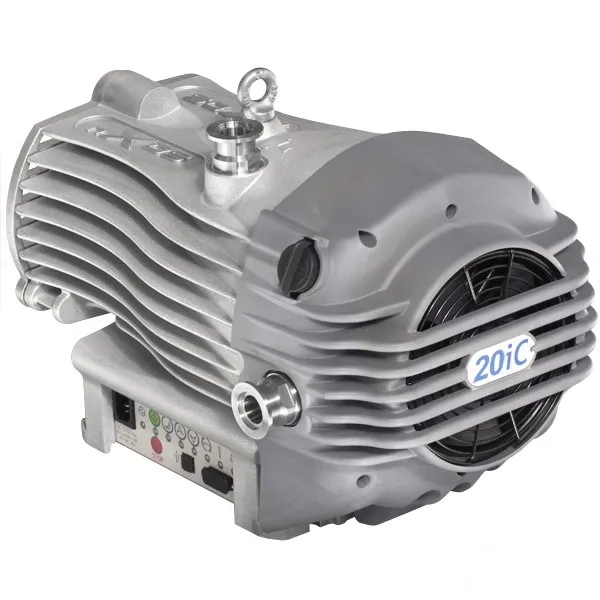
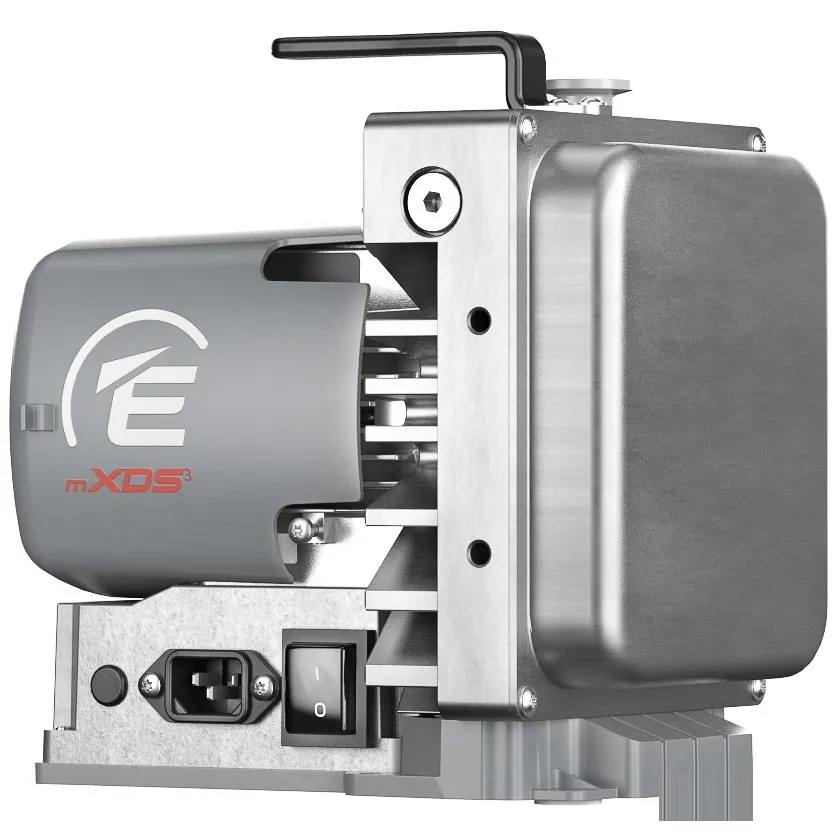
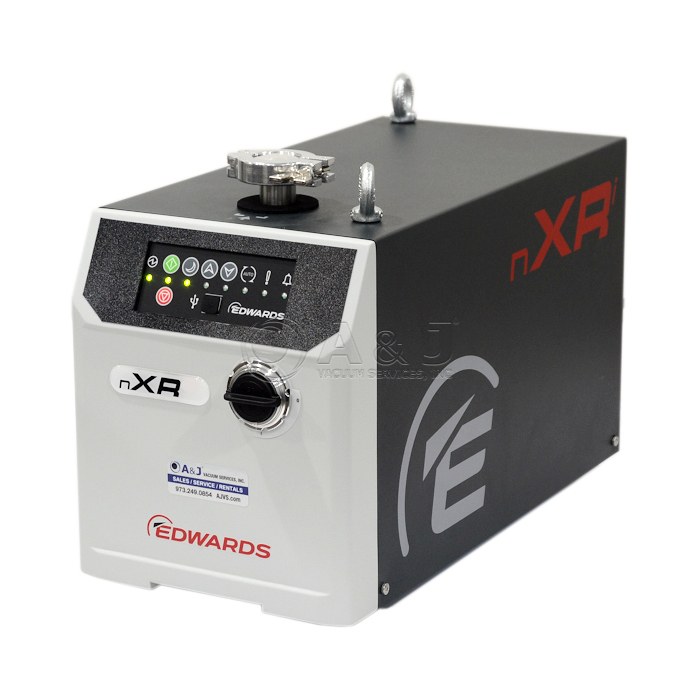
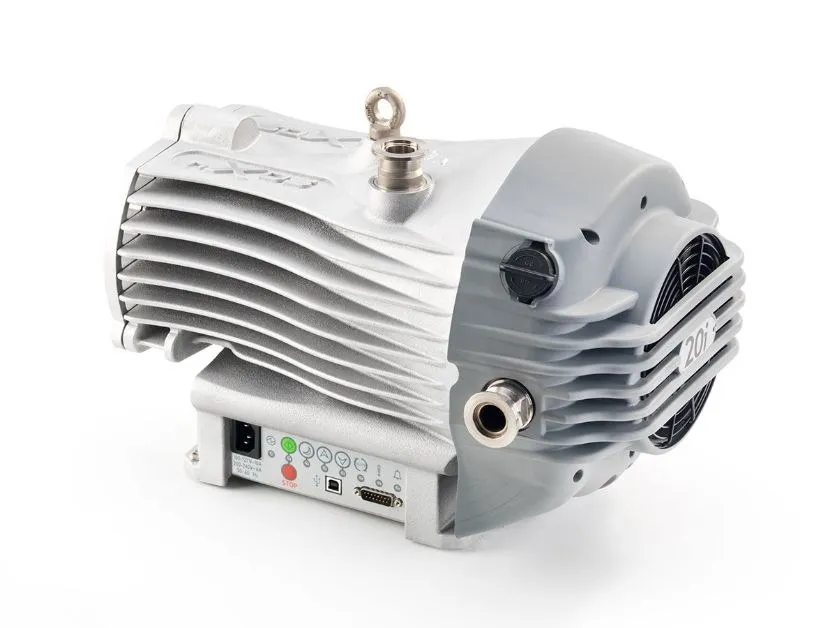
Anest Iwata 19
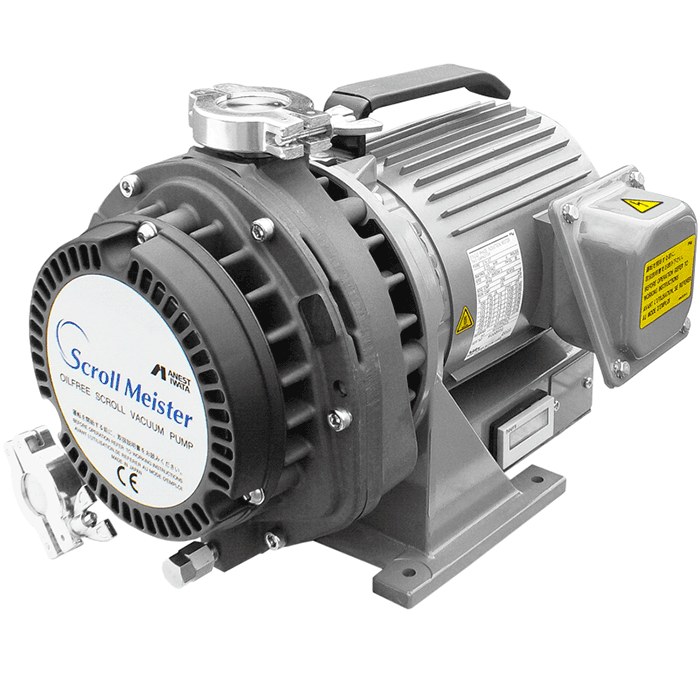
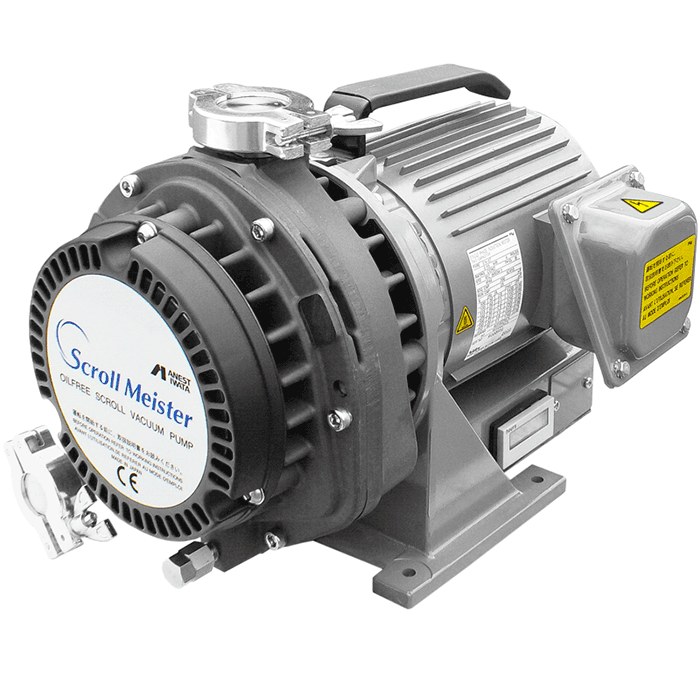
Agilent 16
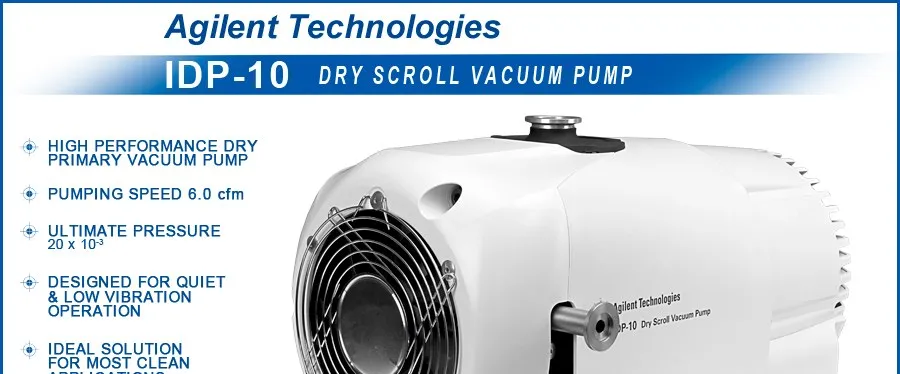
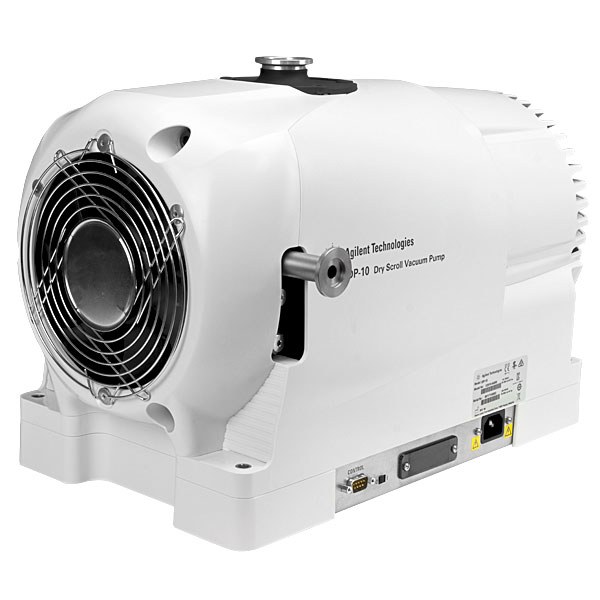
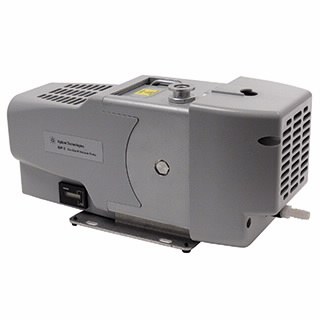
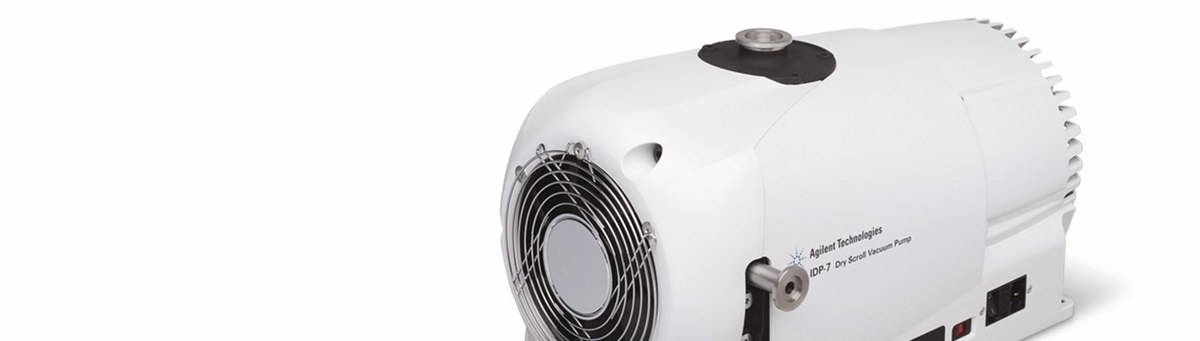
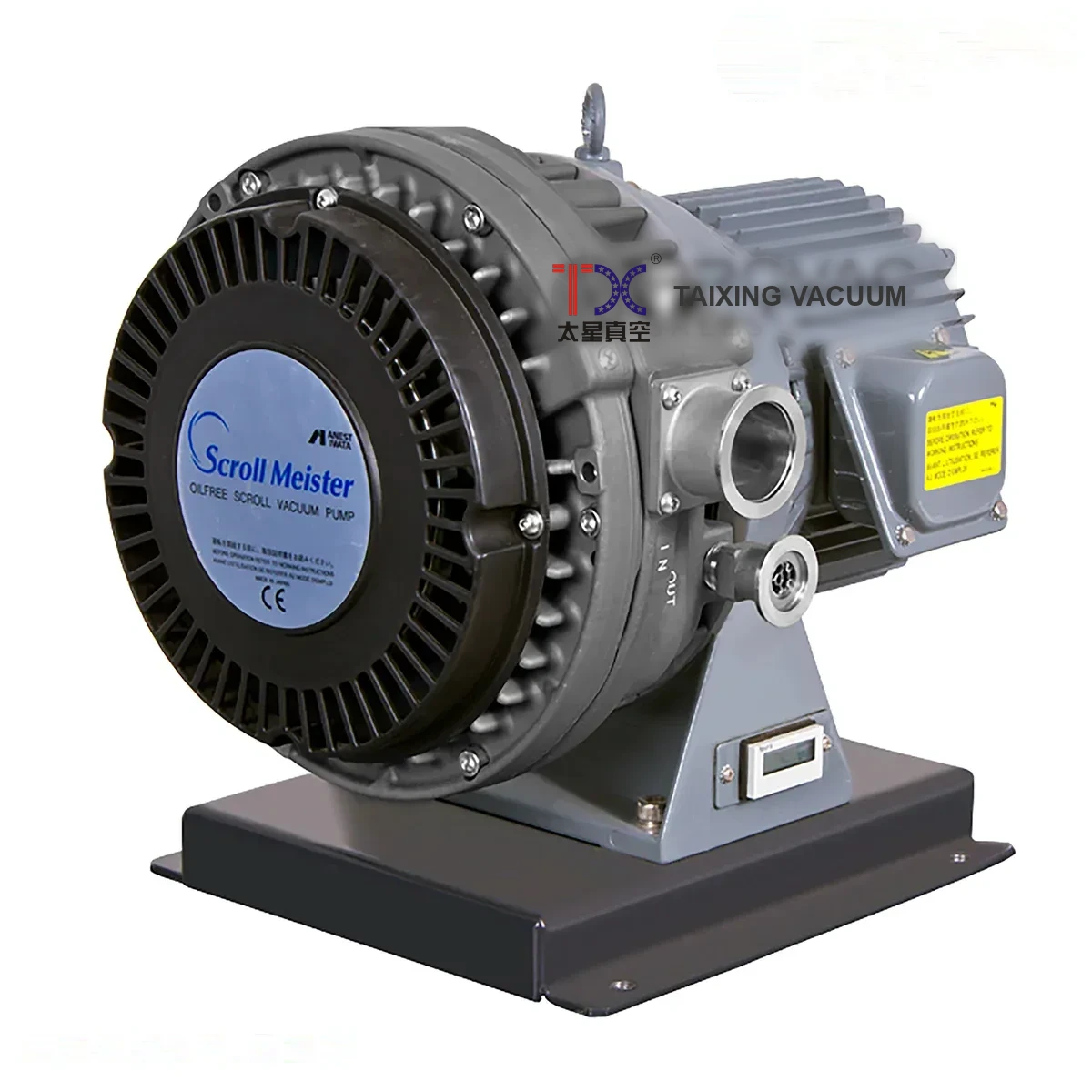
Taixing 12
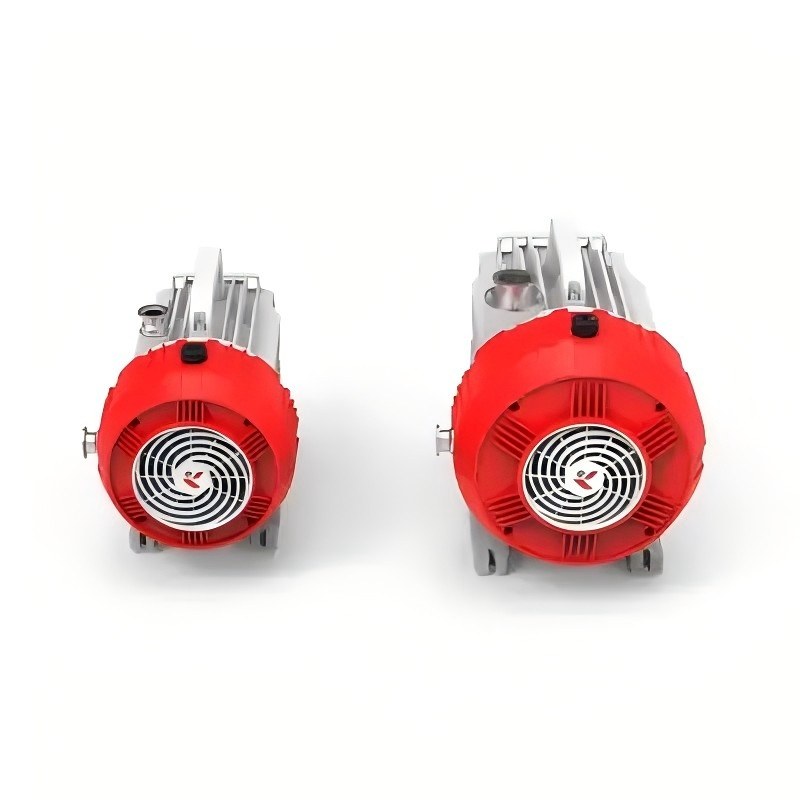
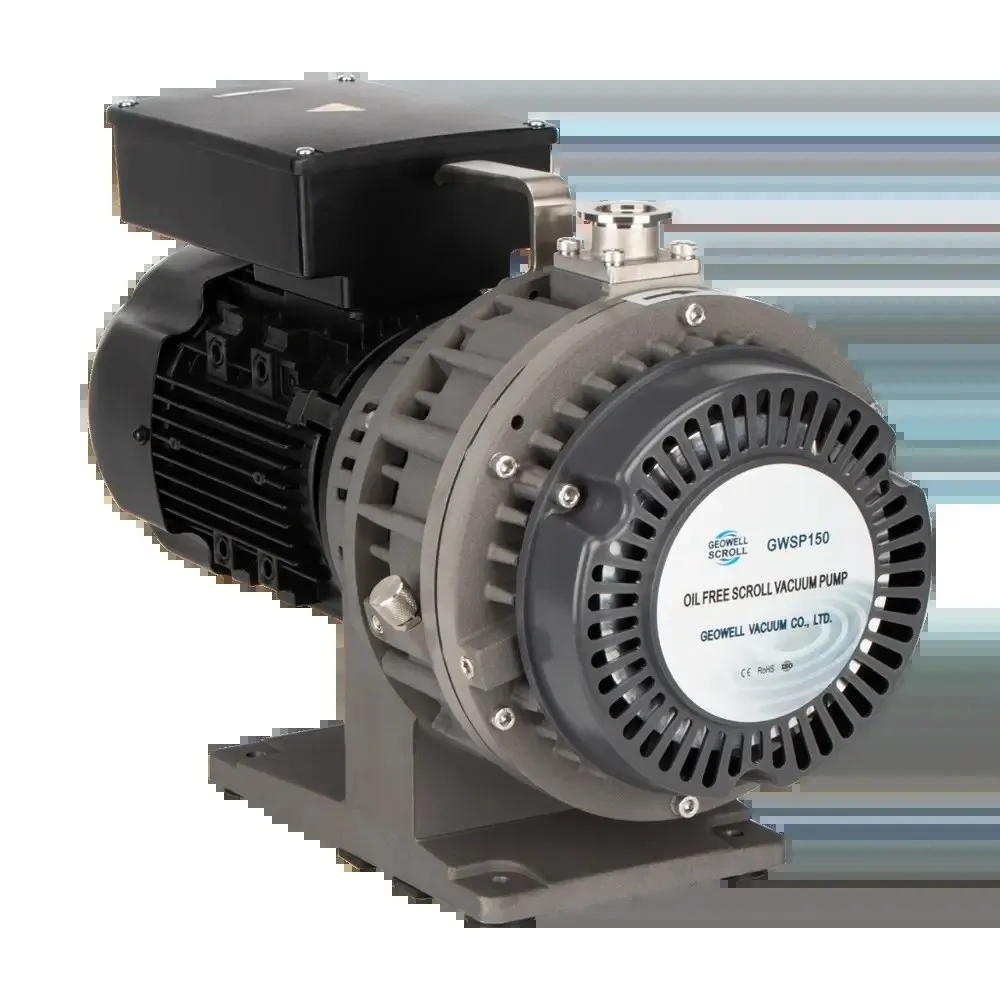
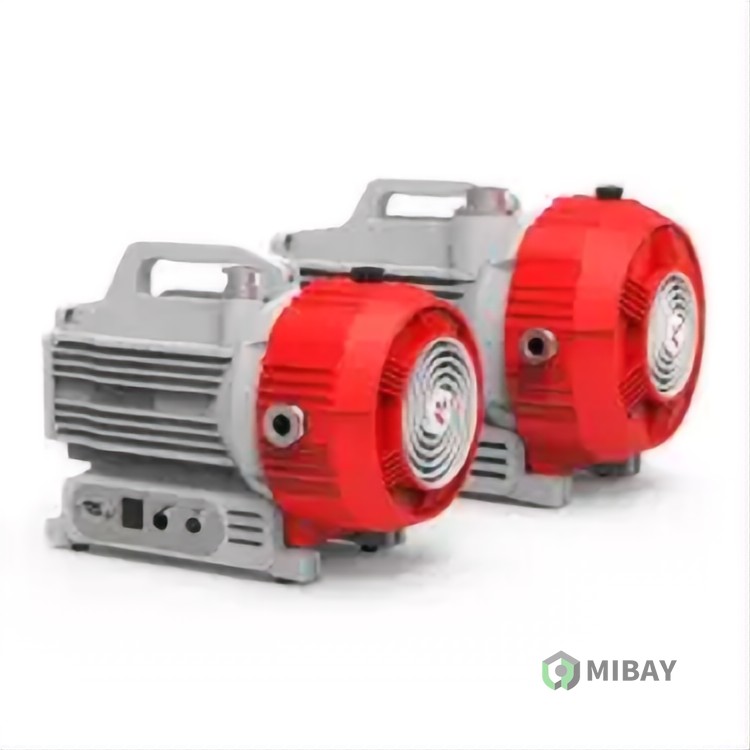
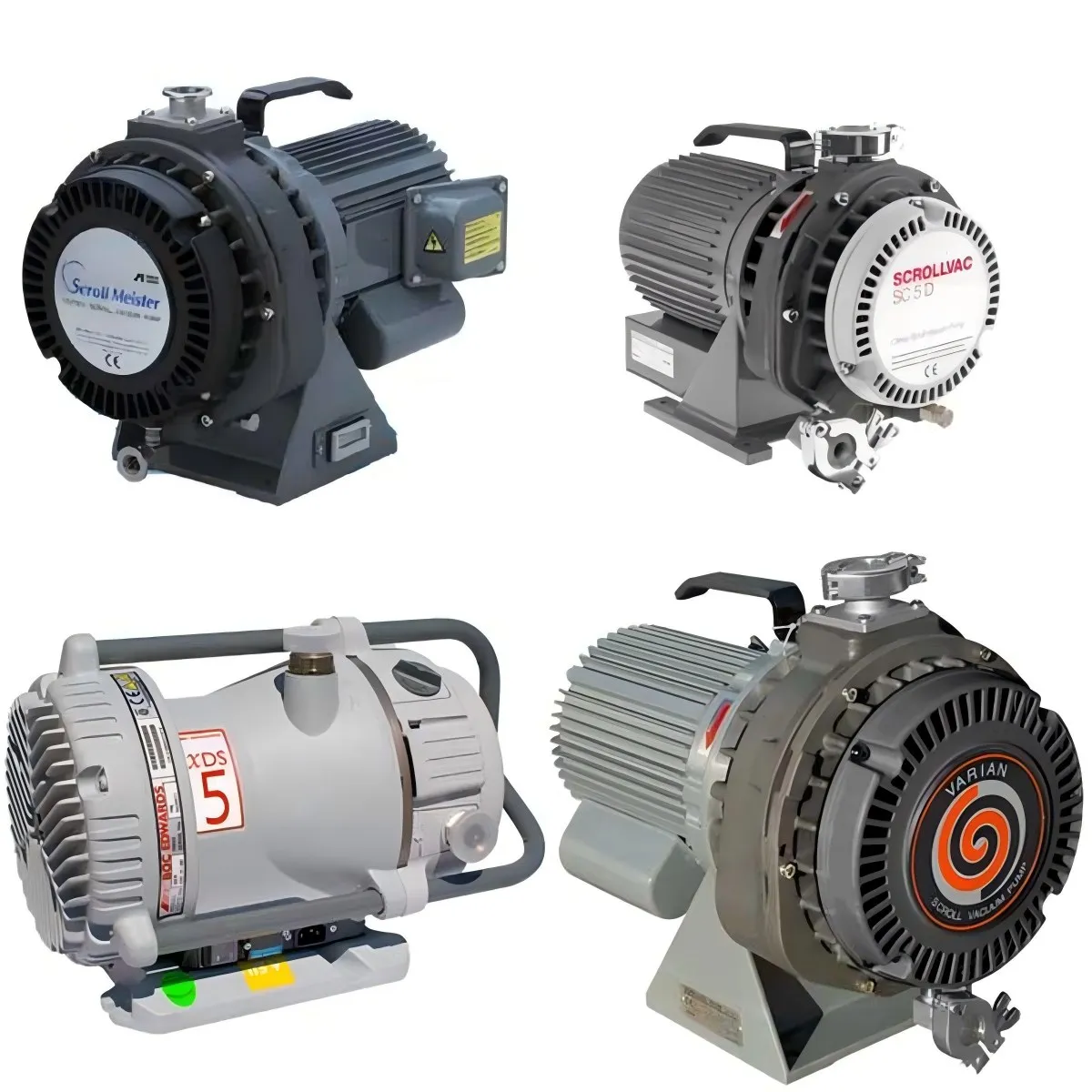
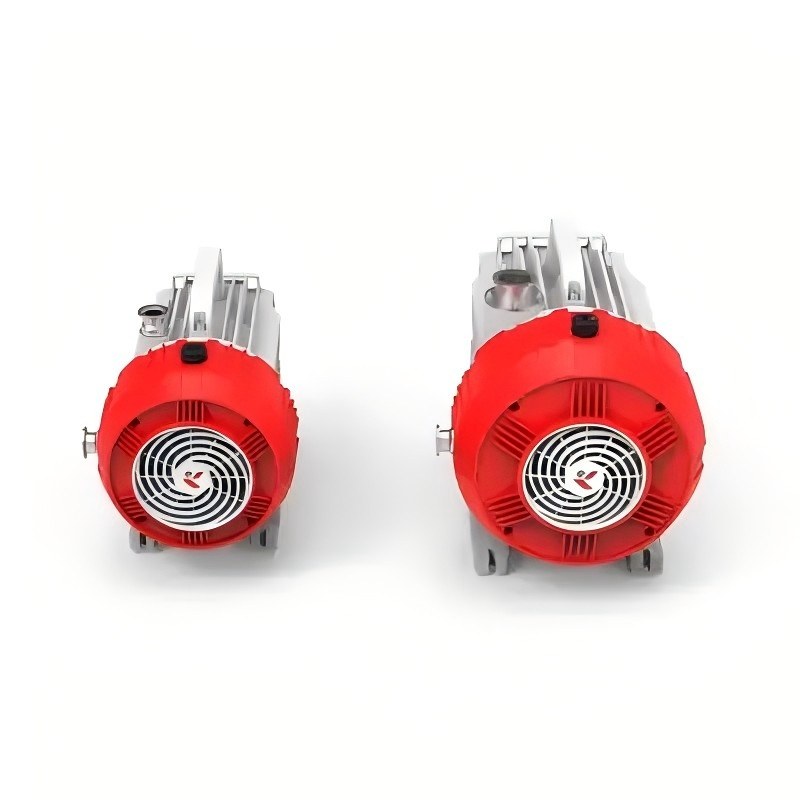
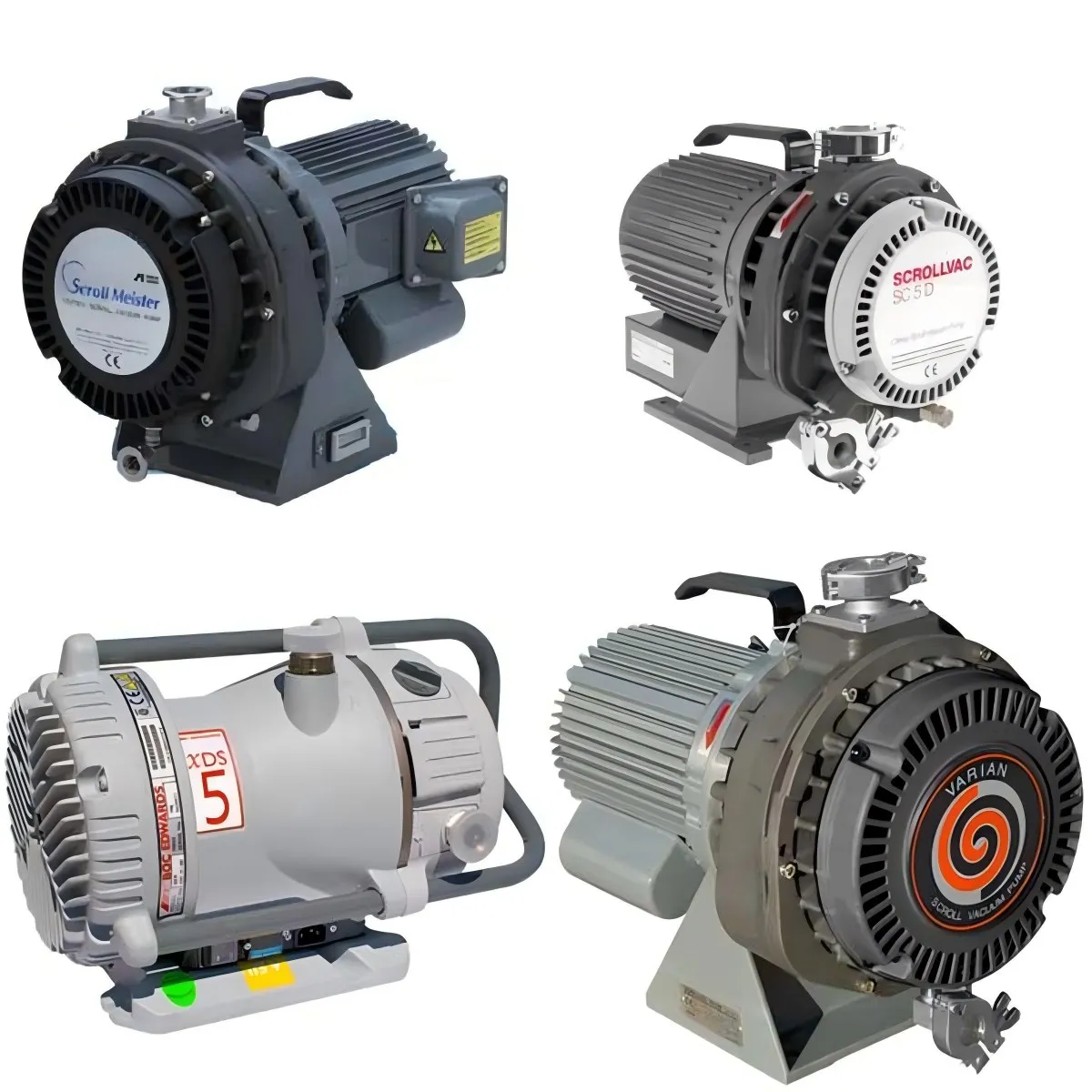
PTSS0300TSOEM
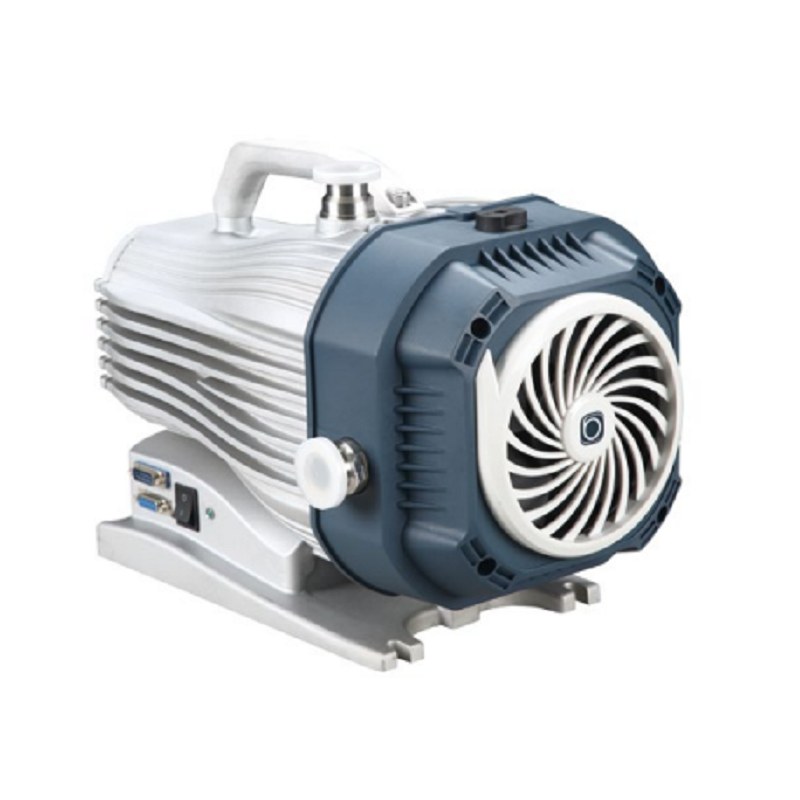
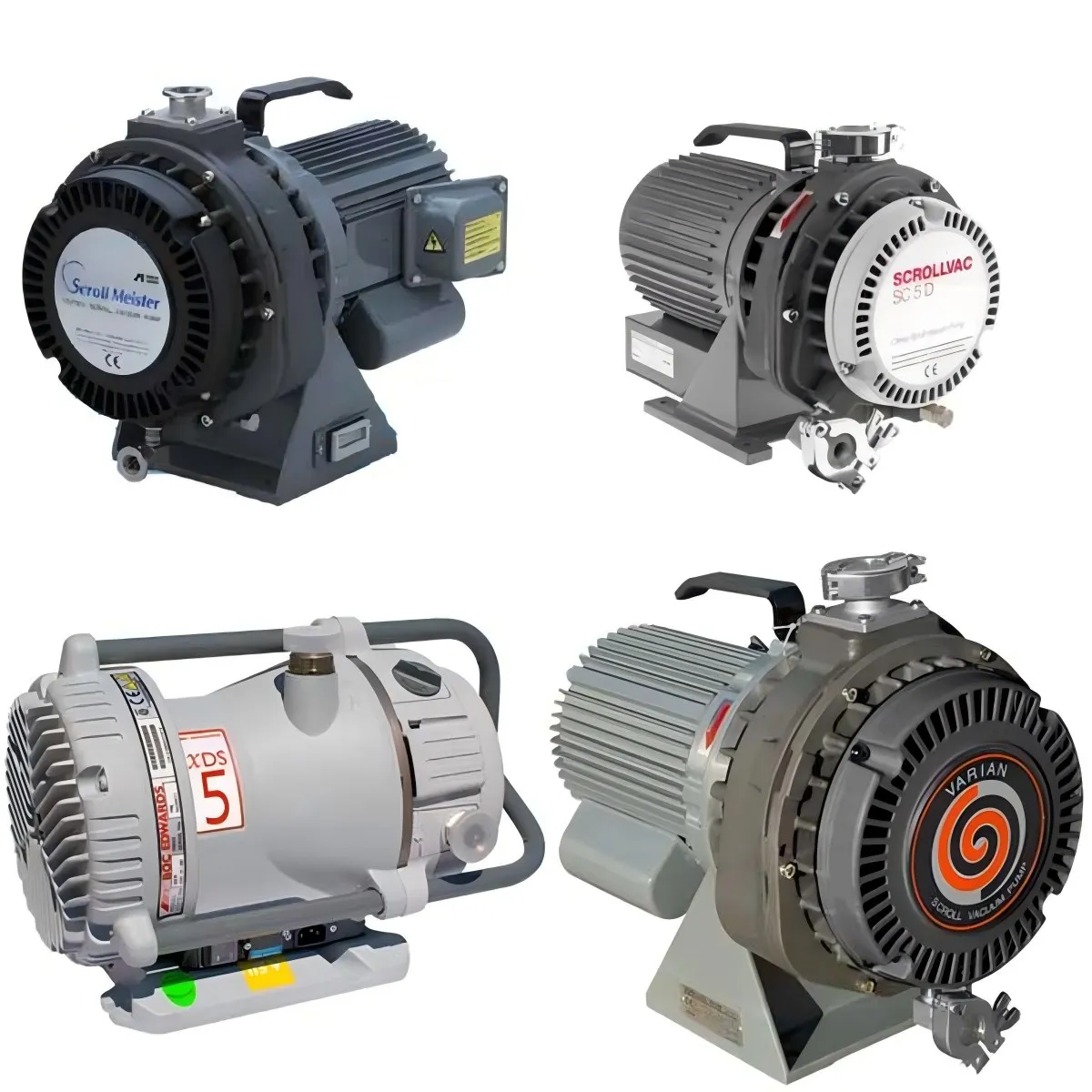
TXSP600THREEPHASE
Pfeiffer 11
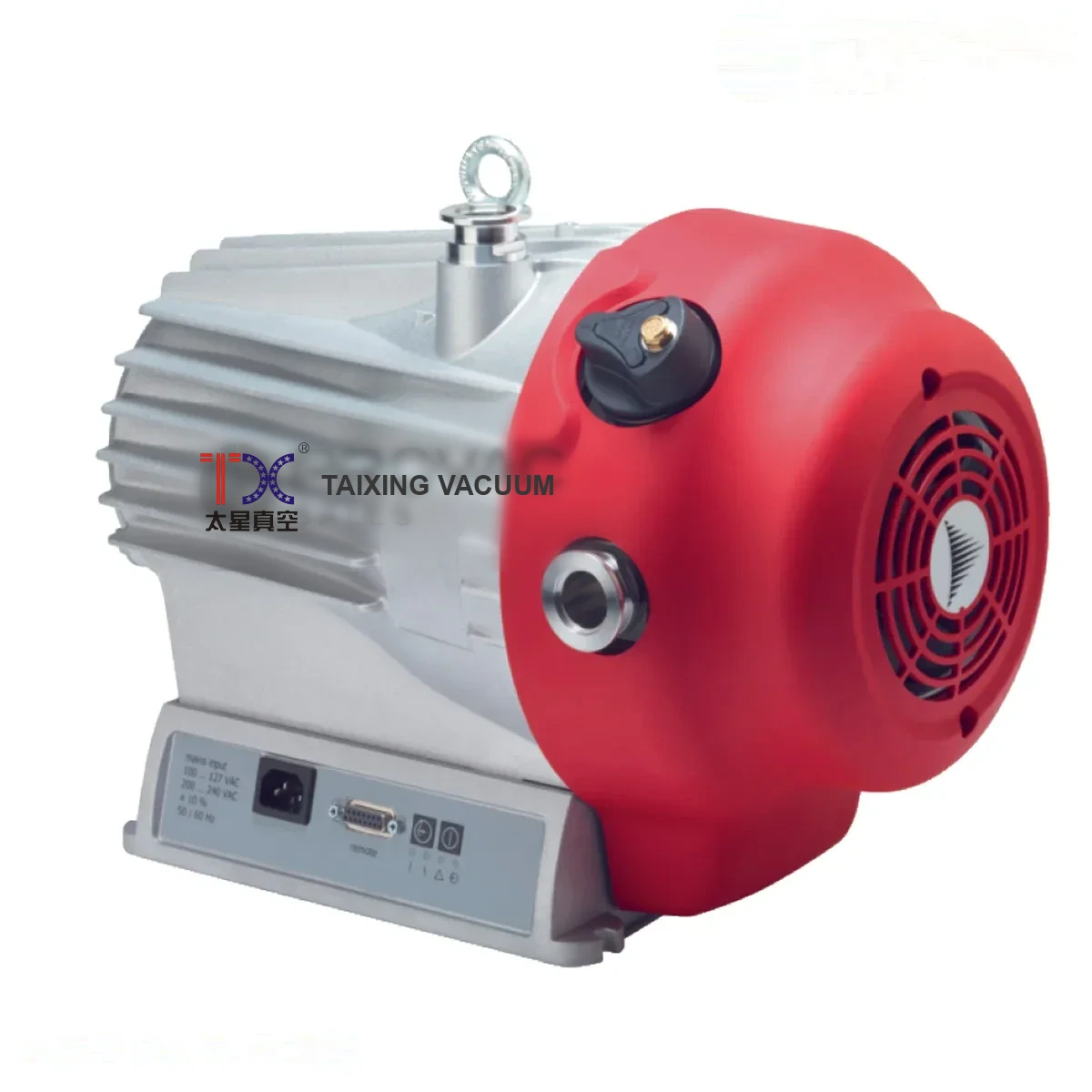
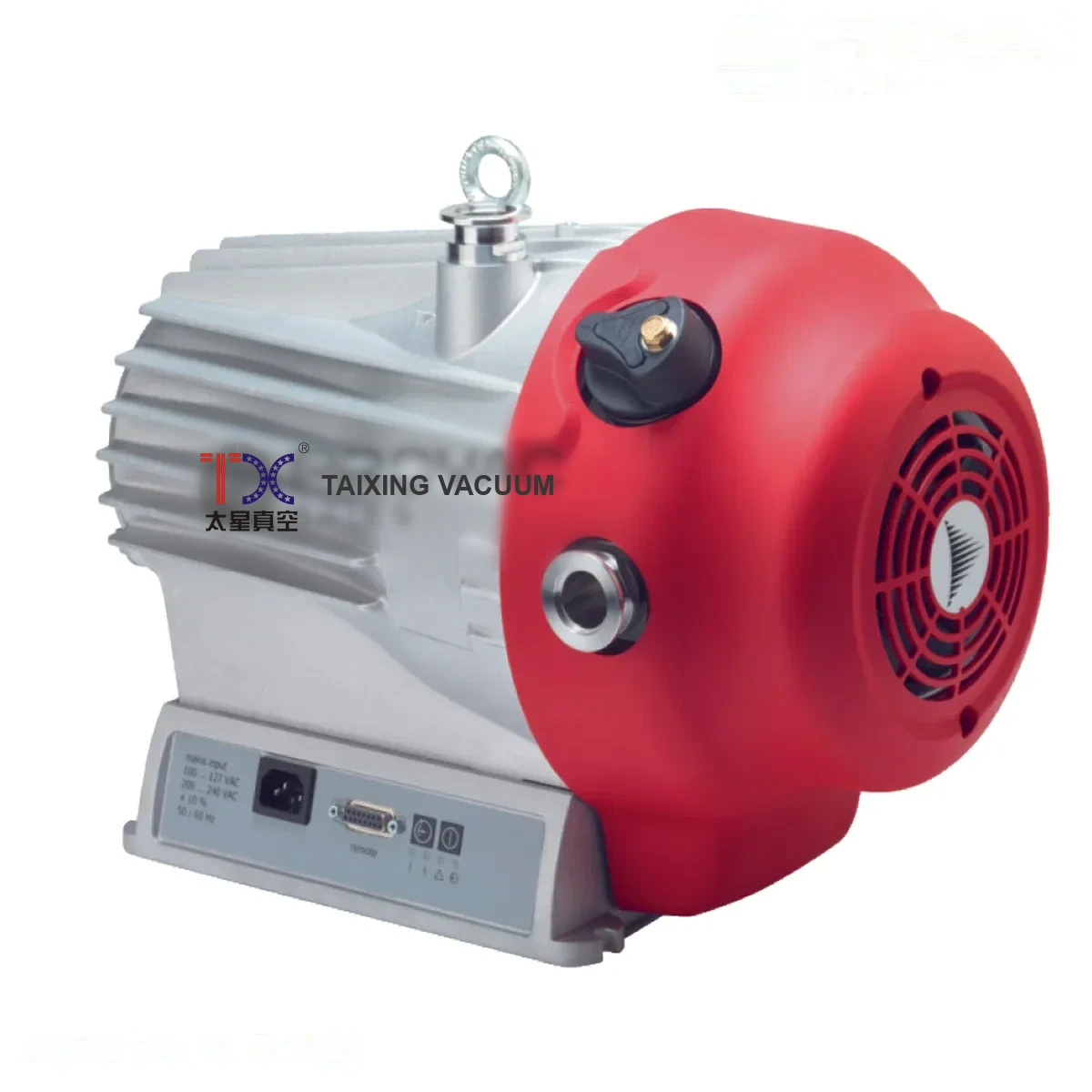
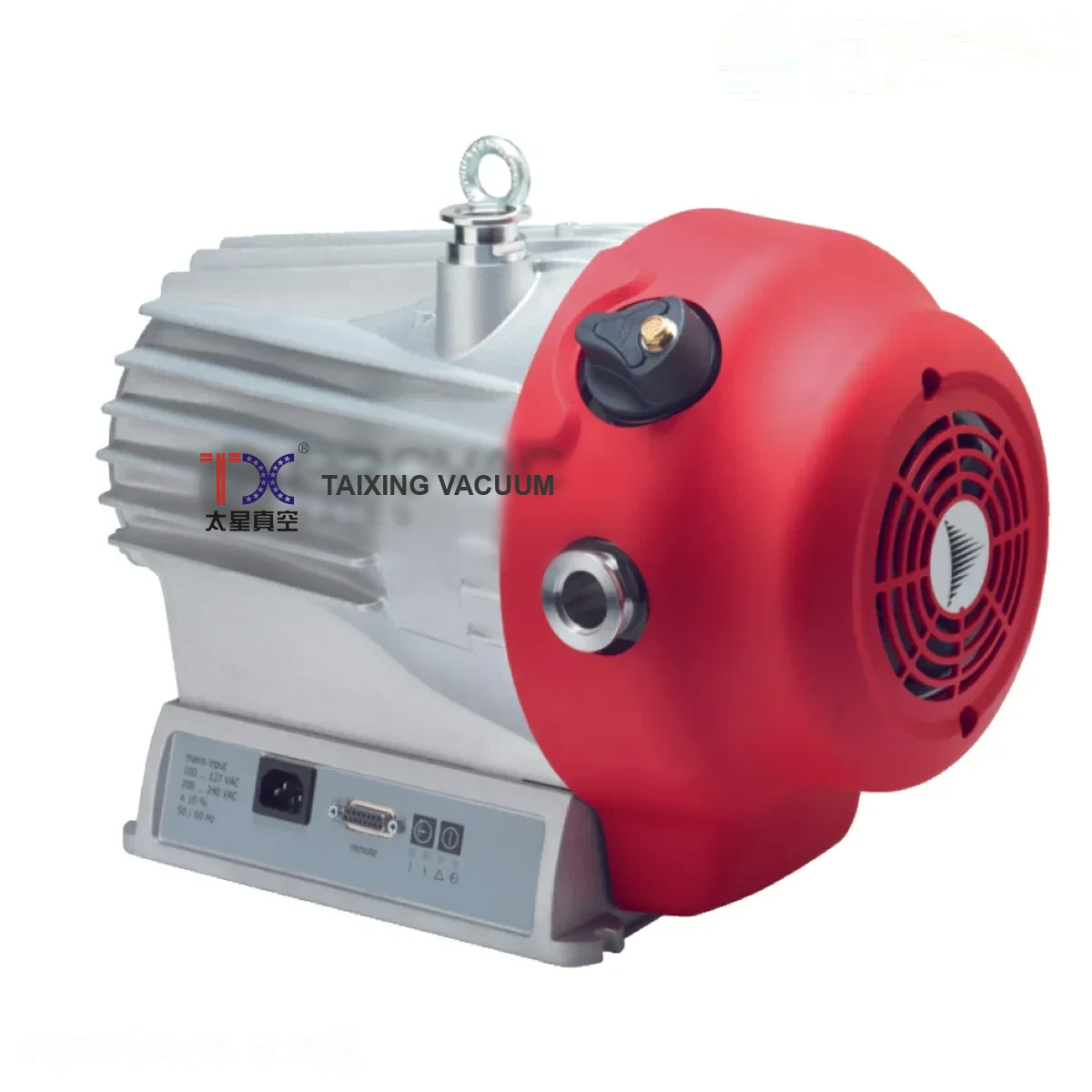
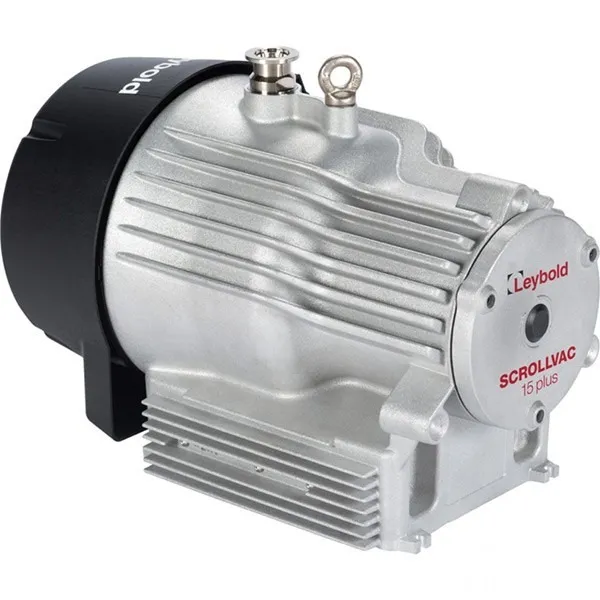
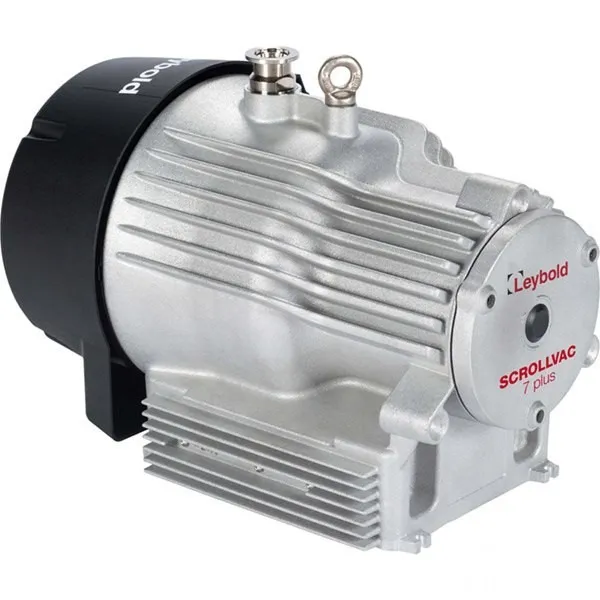
Leybold 10
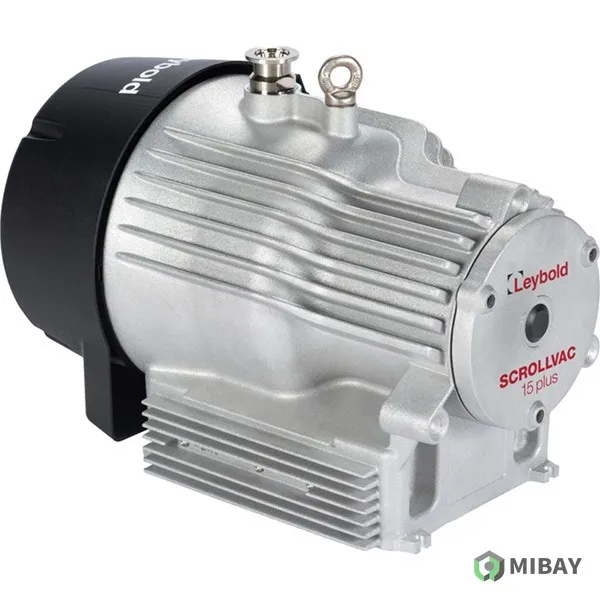
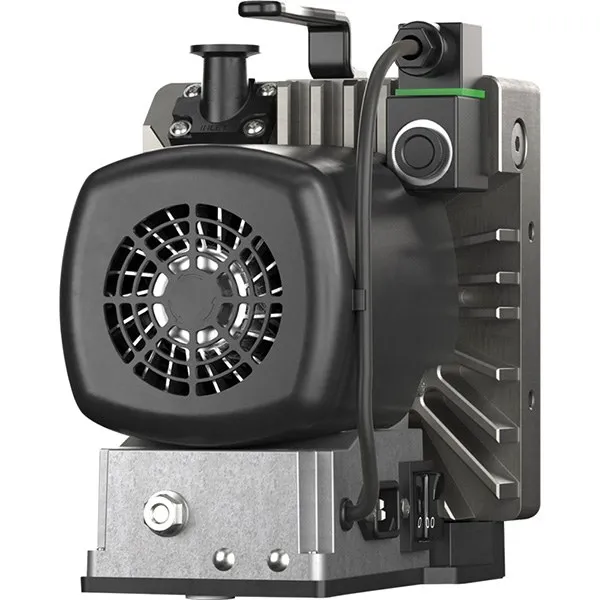
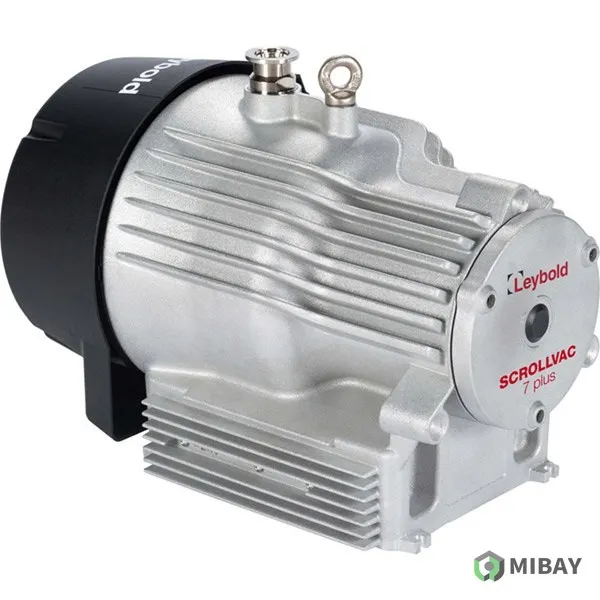
Mibay 7
 EquipLead time on quote
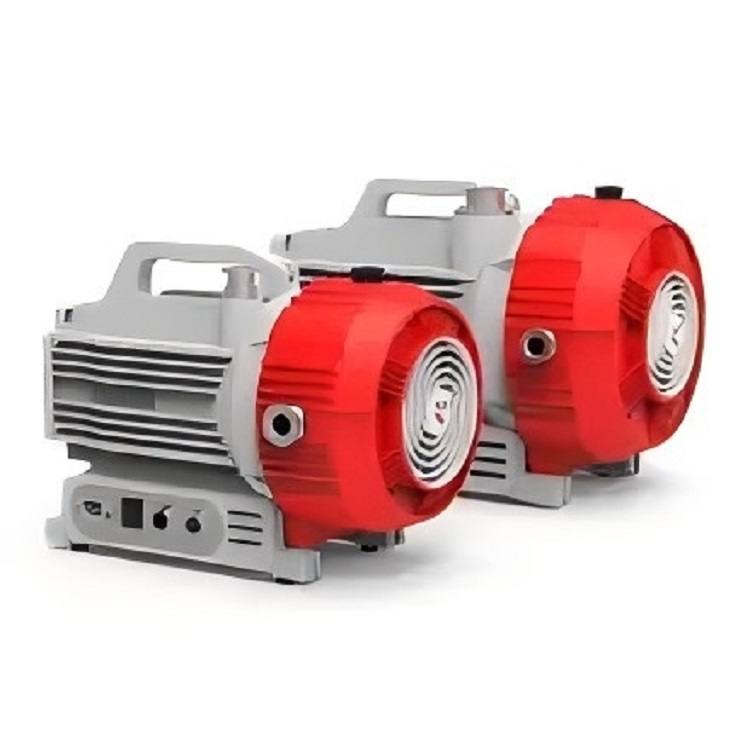
TDSP
 EquipLead time on quote
TX High-Efficiency Oil-Free Sc
 EquipLead time on quote
TXSL
 EquipLead time on quote
TXT 005100 ultimate vacuum to
 EquipLead time on quote
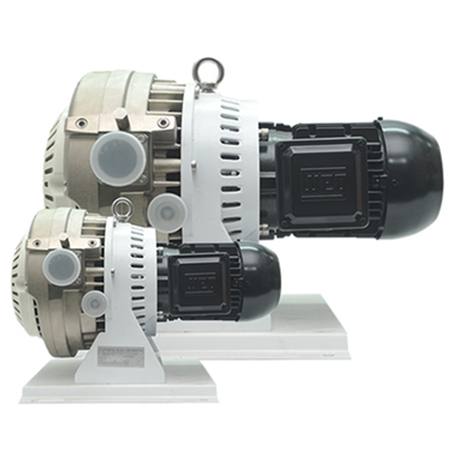
TXT00550
 EquipLead time on quote
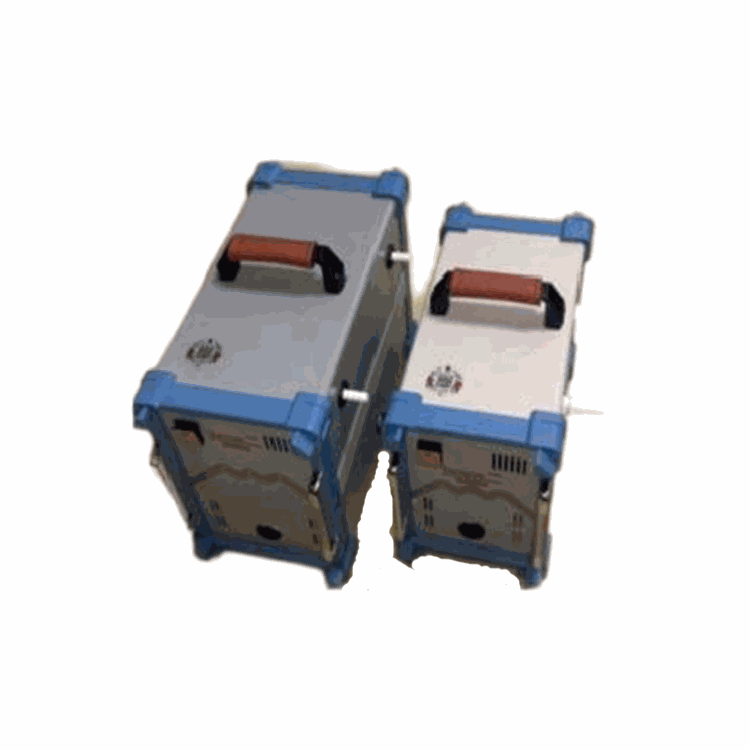
WXG-4B/8B/16A Double-Sided Oil
 EquipLead time on quote
dry chemical corrosion resista
Other brands 3
How to choose a dry scroll vacuum pump
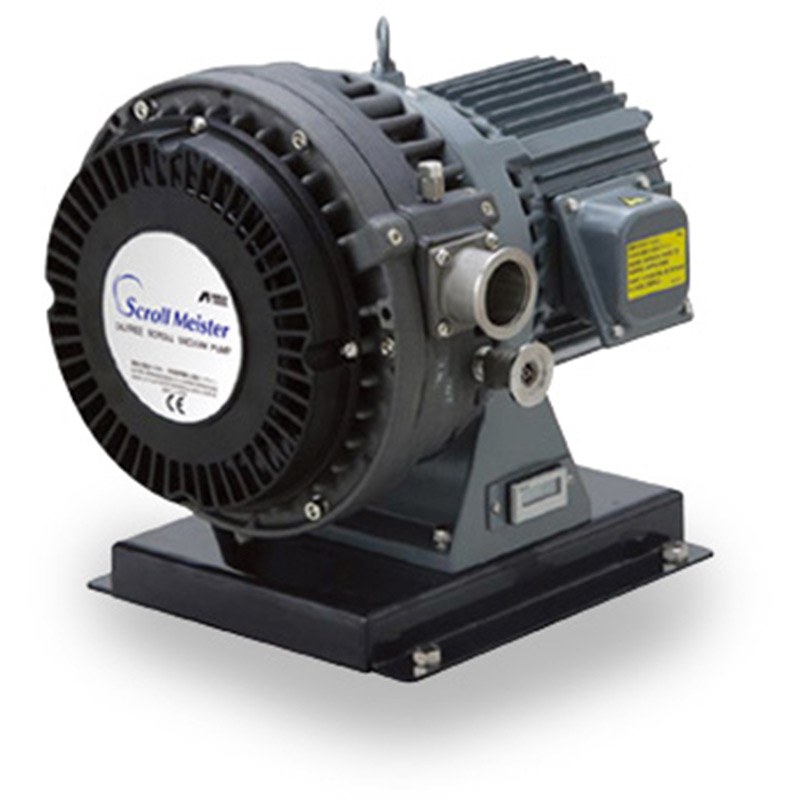
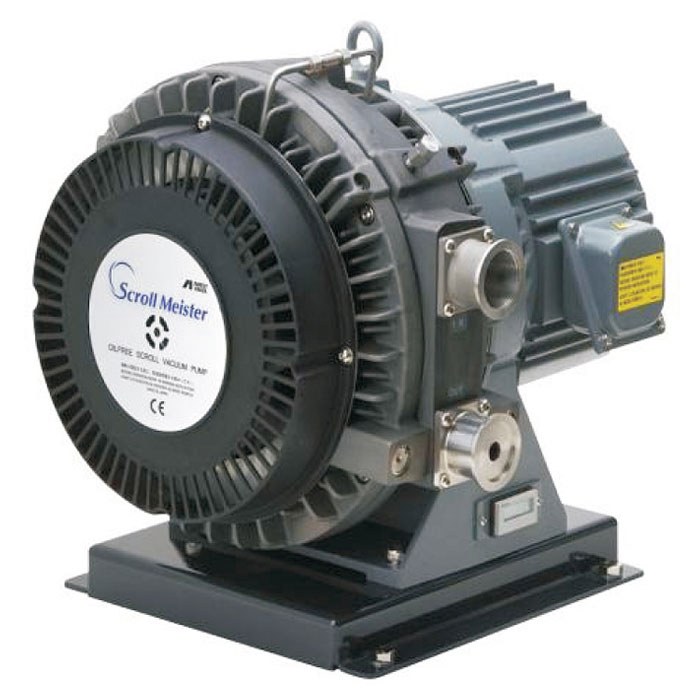
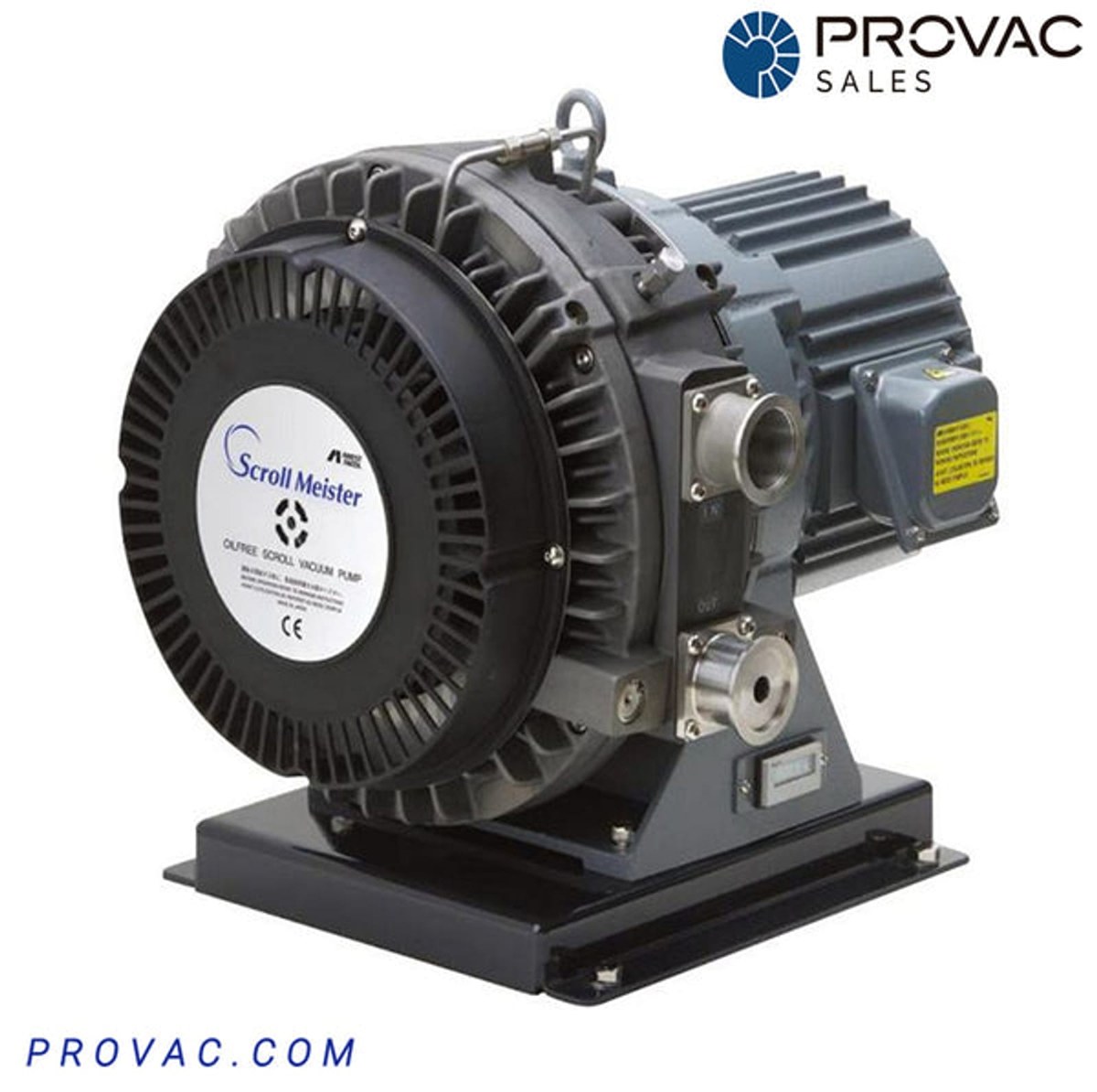
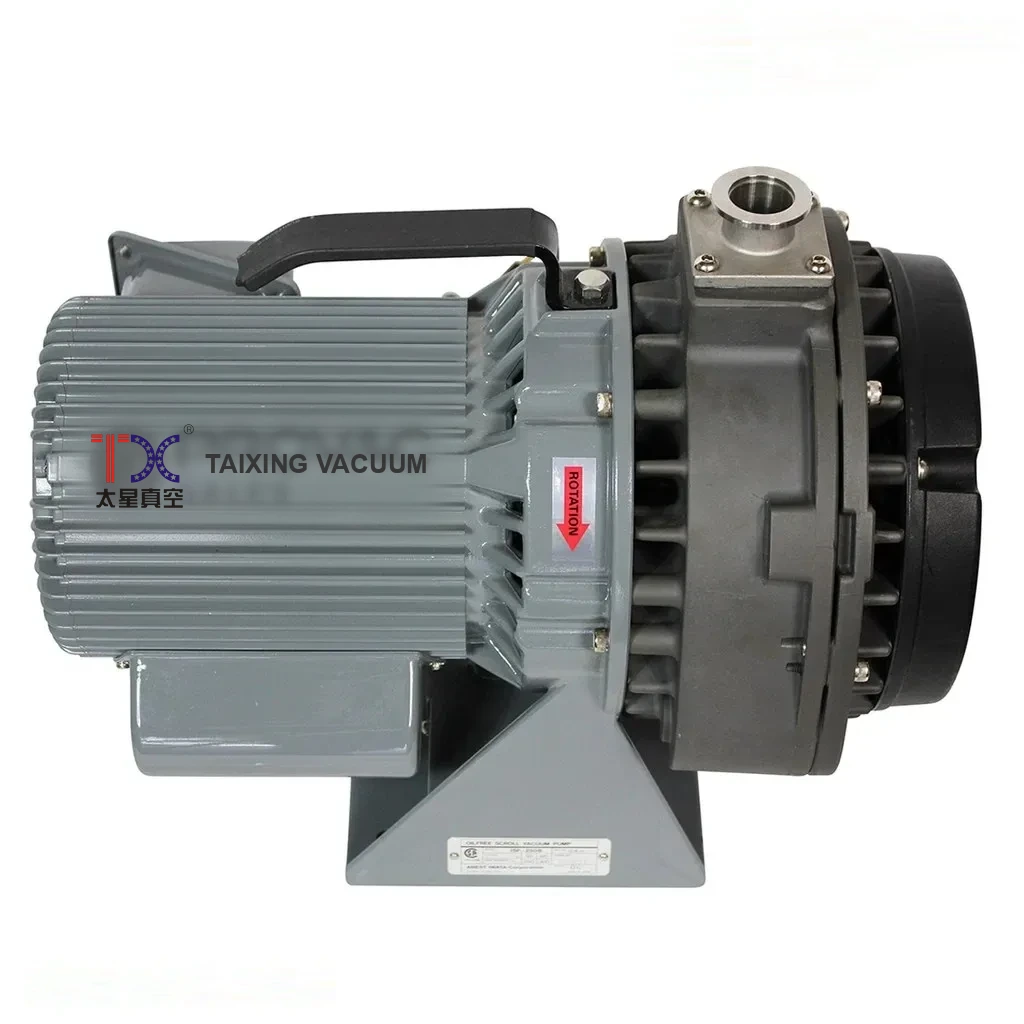
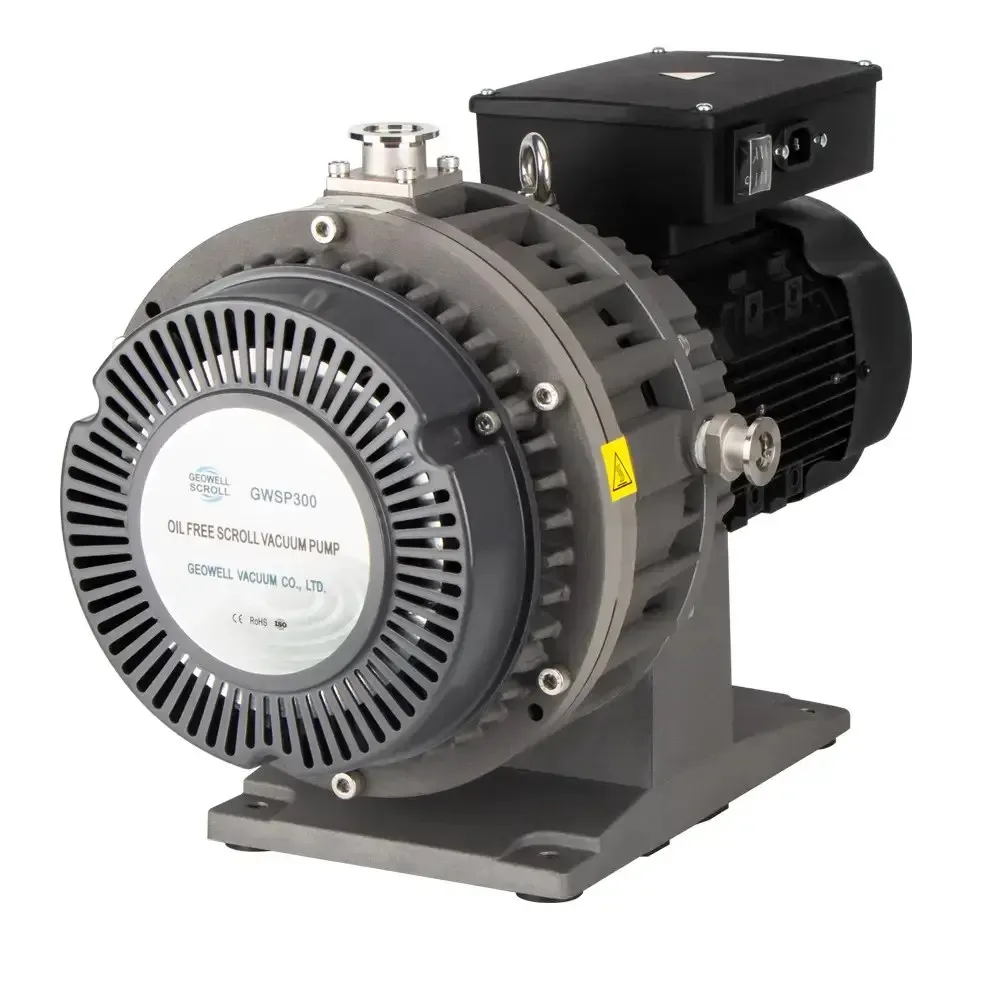
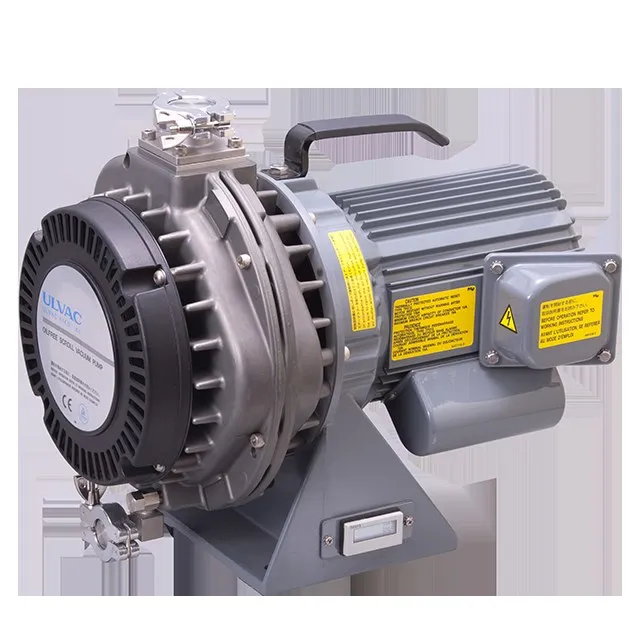
A scroll pump uses one fixed and one orbiting spiral; the crescent-shaped pockets between them shrink as they travel inward, compressing gas to the exhaust. There is no oil in the swept volume, so nothing can backstream into your chamber. Tip seals along the edge of each scroll do the sealing, and they are the wear part — service life is a real specification and replacing tip seals is routine maintenance, not a repair.
Read the full guide →FAQ
What are tip seals and how often do they need replacing?
Tip seals are the polymer strips along the edge of the scroll that seal the compression pockets without oil. They are the main wear item — typical replacement is every 8,000 to 16,000 running hours depending on model and duty, sooner if the pump ingests particulates. A rising ultimate pressure is the usual signal.
Can a dry scroll pump be used as a turbo backing pump?
Yes, and it is the standard choice where hydrocarbon backstreaming must be avoided — analytical instruments, surface science, load locks. Match the scroll pump's speed to the turbo's foreline load; too small a backing pump leaves the turbo running against a high foreline and it never reaches its rated pressure.
Is a dry scroll pump suitable for corrosive gases?
Only in a corrosion-resistant version. Standard scroll pumps have aluminium scrolls and standard elastomers that halogens and acids attack. Chemical-duty models use coated scrolls and chemically resistant seals; even then, a purge and a downstream trap are normally required.
Why has the ultimate pressure got worse over time?
Worn tip seals first, then a blocked inlet filter, a leaking inlet fitting, or dust in the scroll set. Replacing the tip seal kit restores most of the performance; if it does not, check the bellows and the shaft seal, and inspect the scroll faces for scoring.
Do you supply tip seal kits for Edwards nXDS, Agilent IDP and Anest Iwata ISP pumps?
Yes — tip seal kits, bearing and seal sets, fixed and orbiting scrolls, exhaust and inlet filters and full overhaul kits for the common nXDS, XDS, IDP, ISP and DIS families. Send the pump model and serial number so the correct revision is supplied; some models changed scroll geometry mid-production.