
Roots Pumps
Roots Pumps 147 products
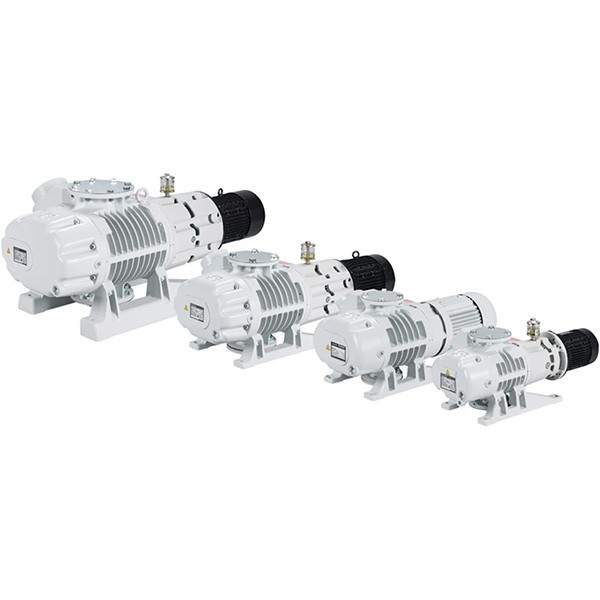
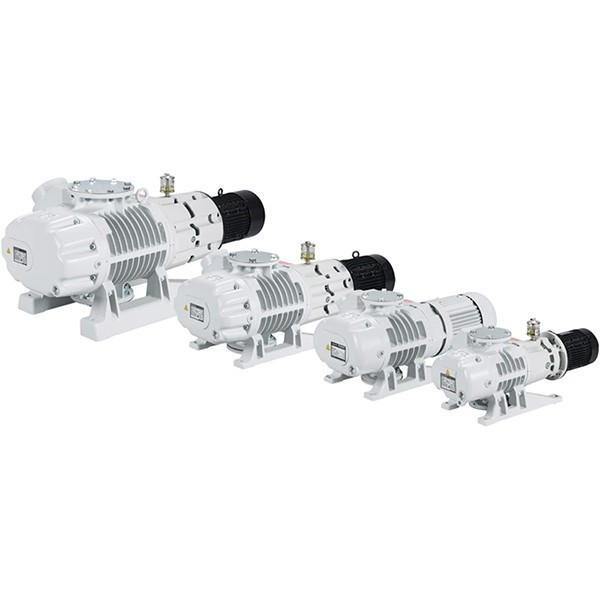
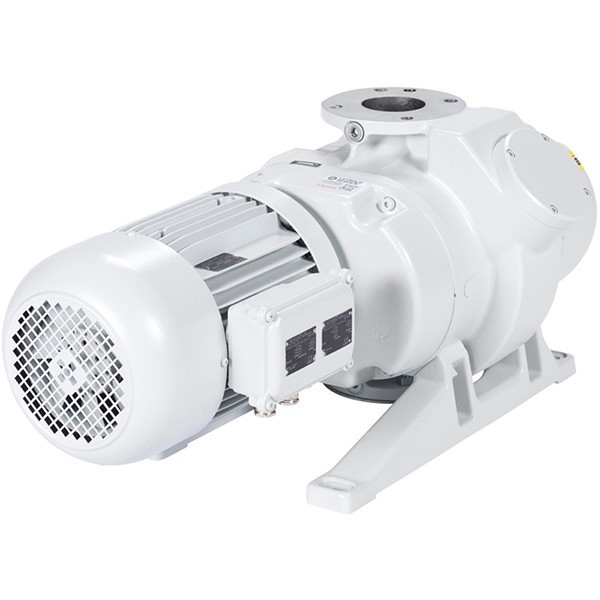
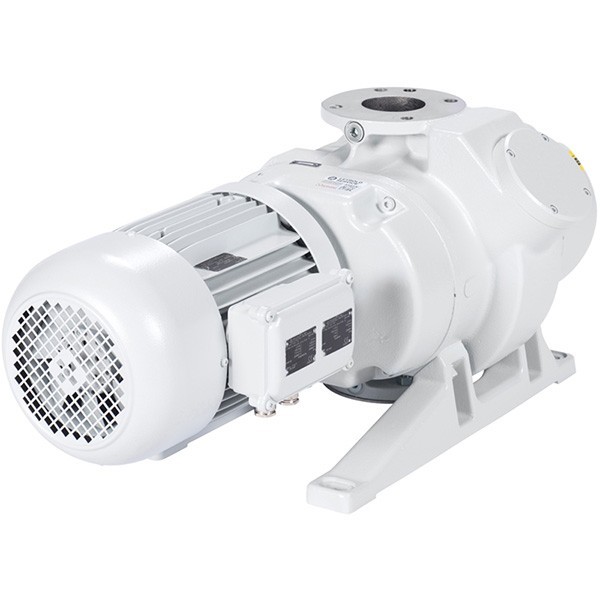
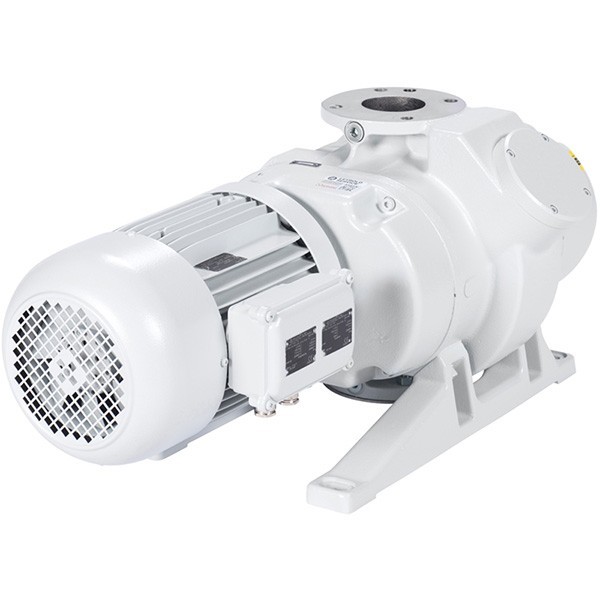
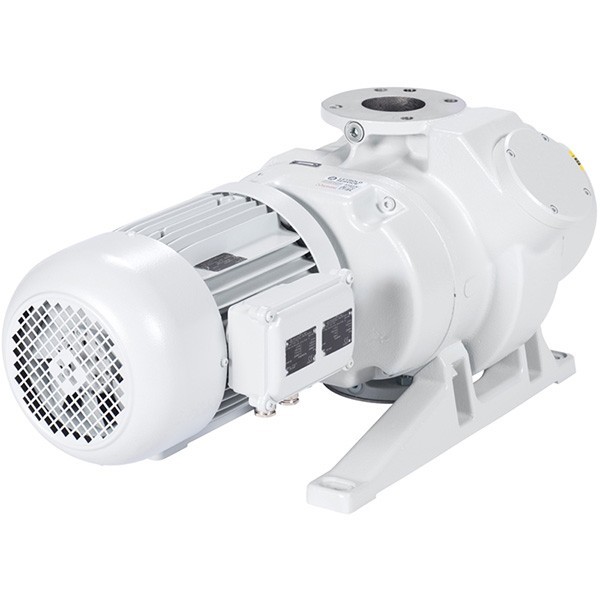
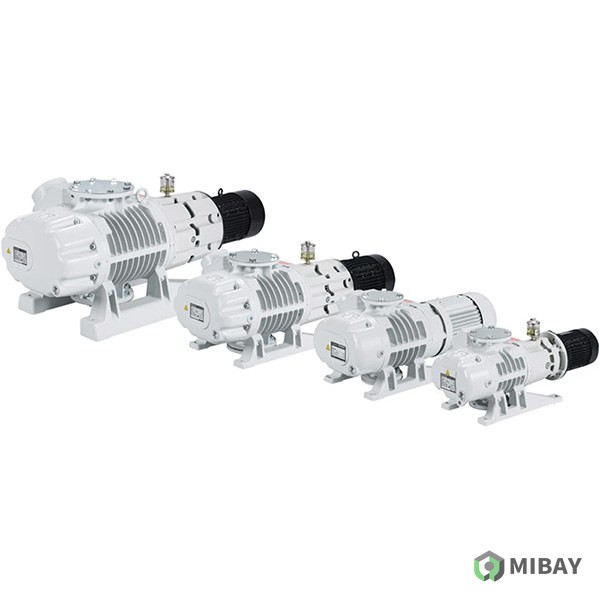
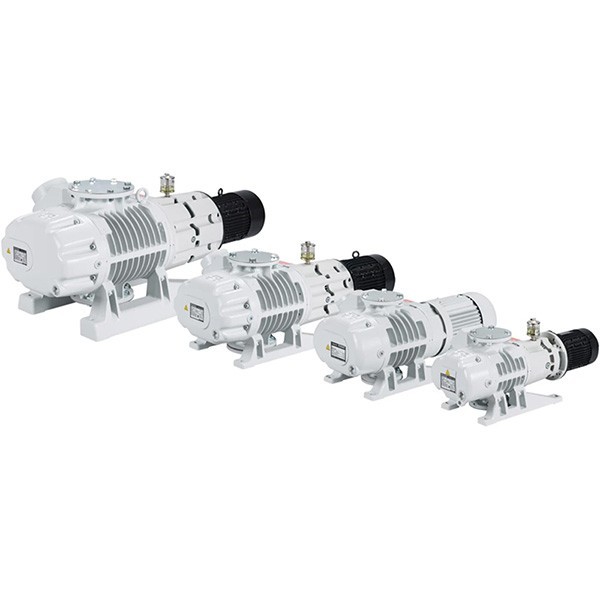
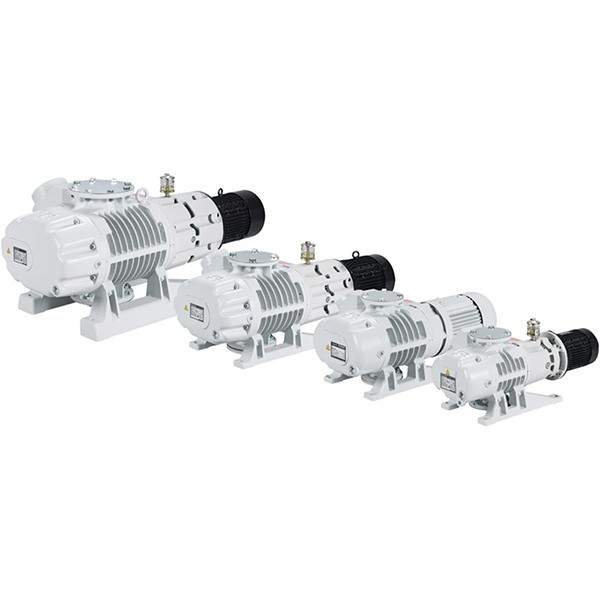
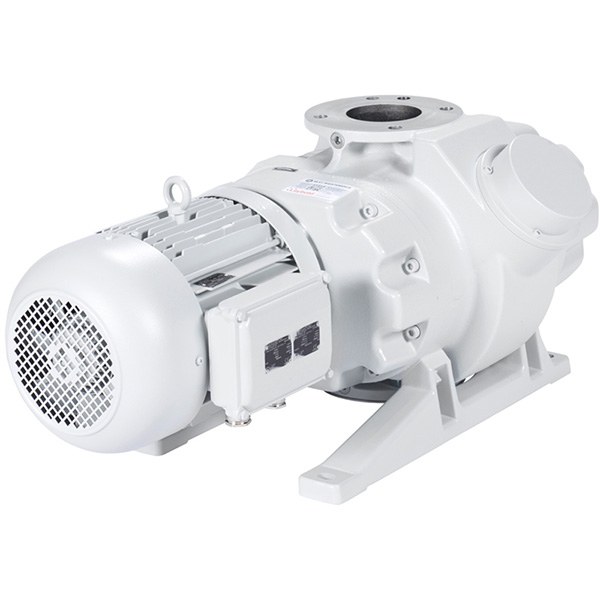
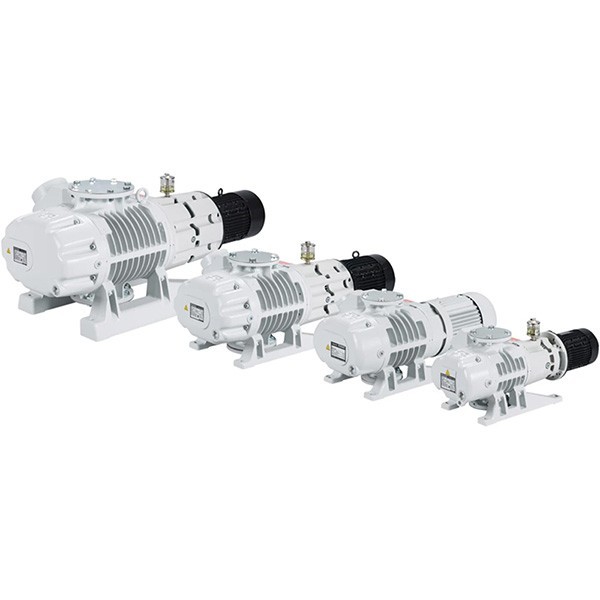
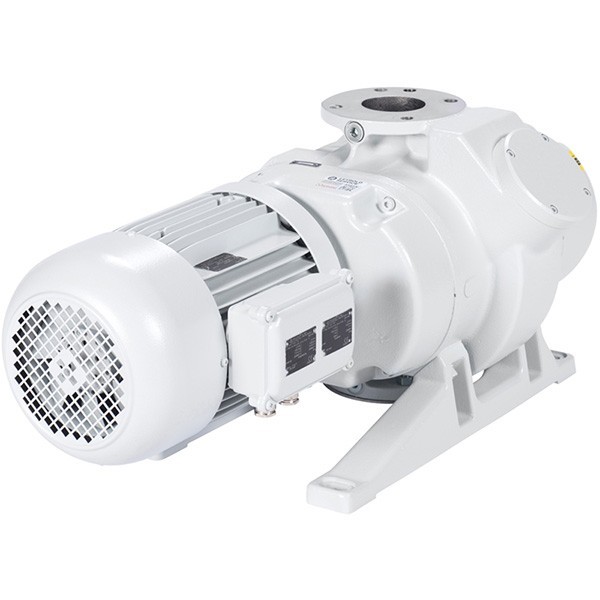
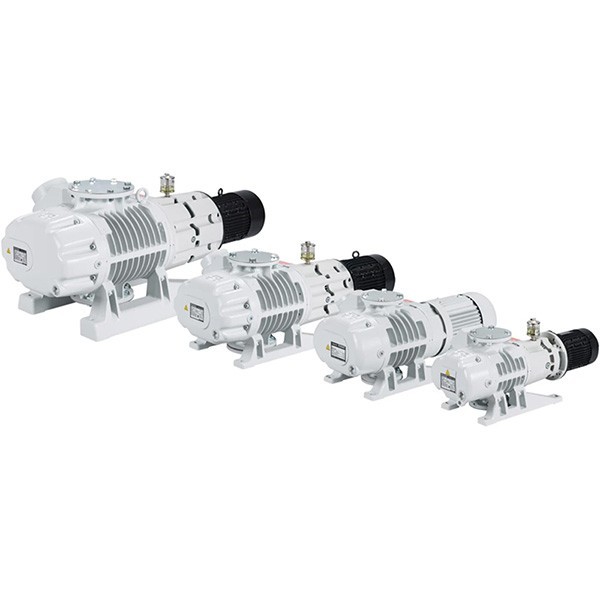
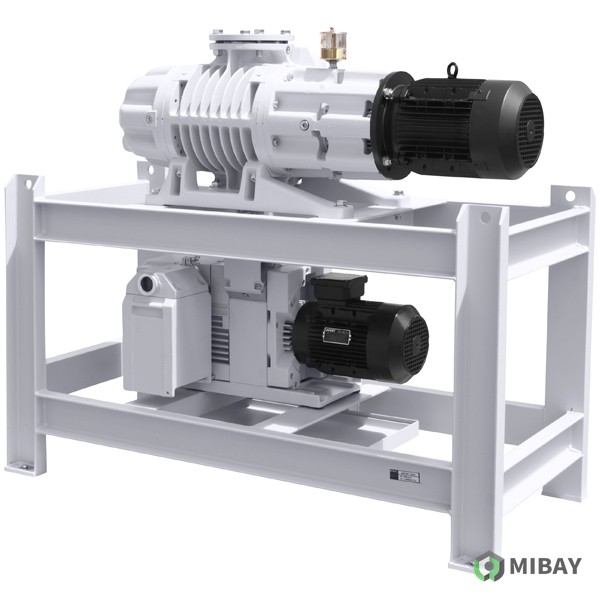
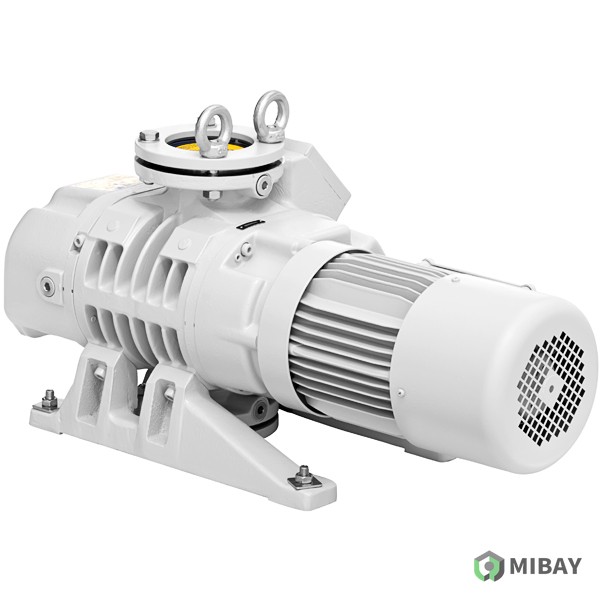
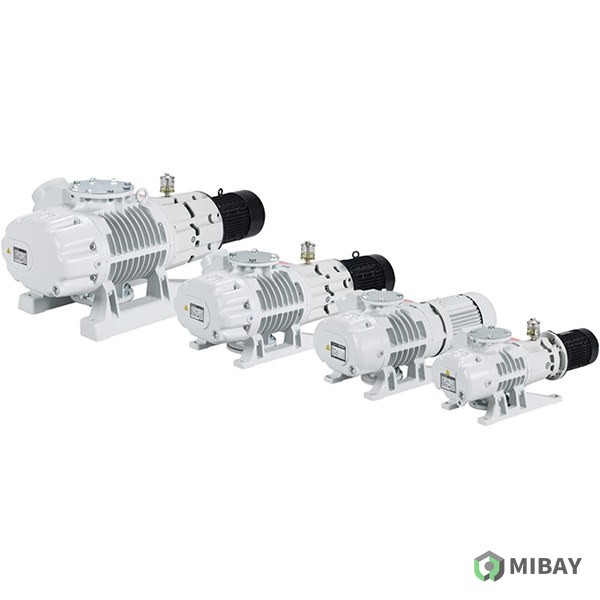
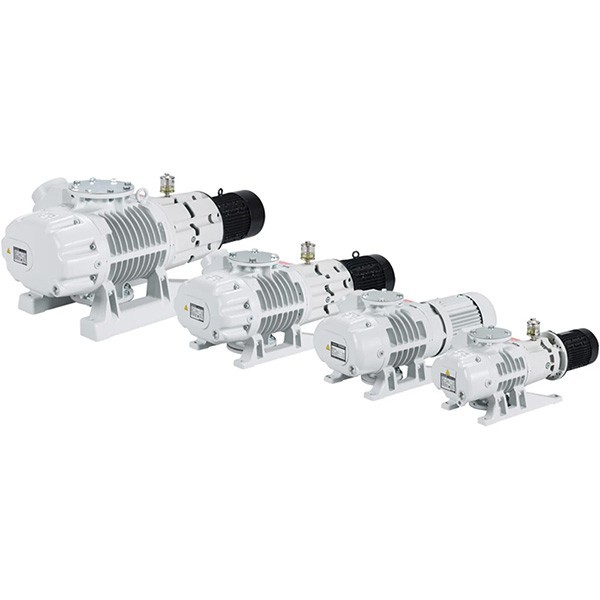
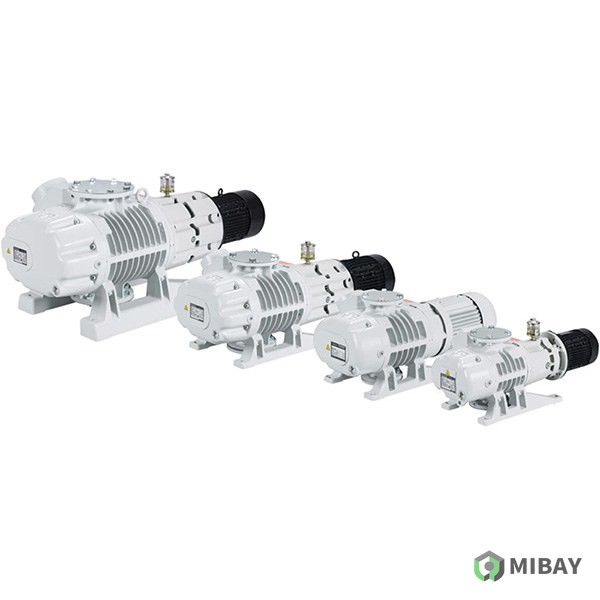
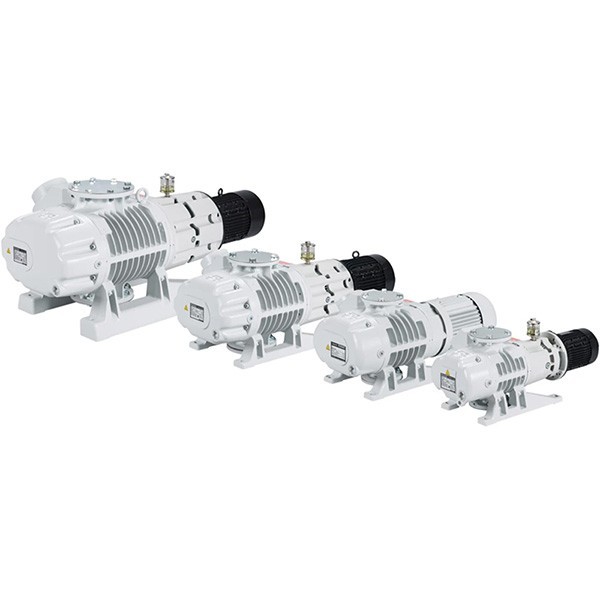
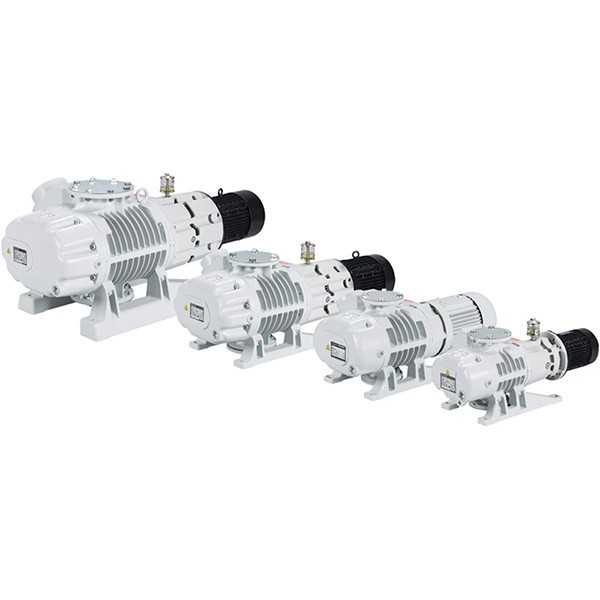
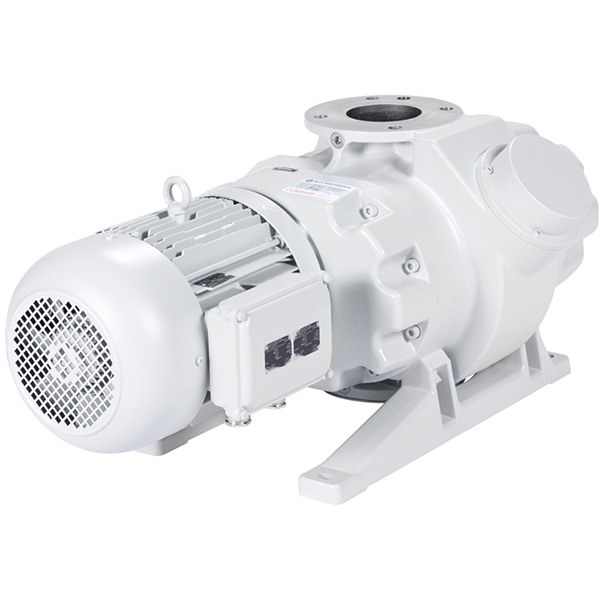
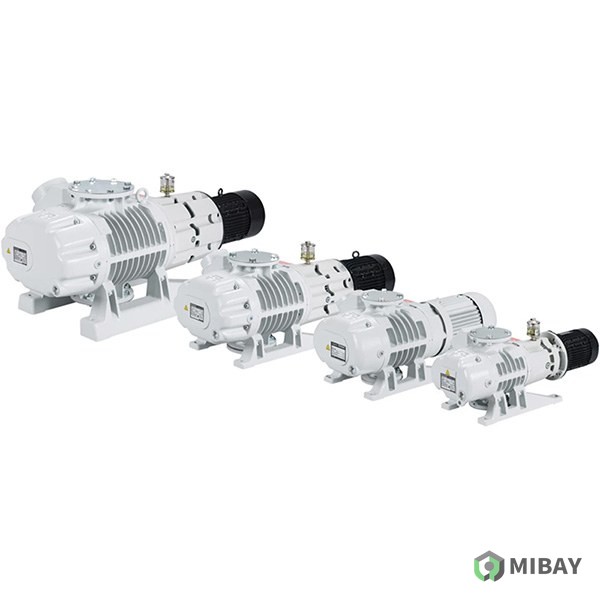
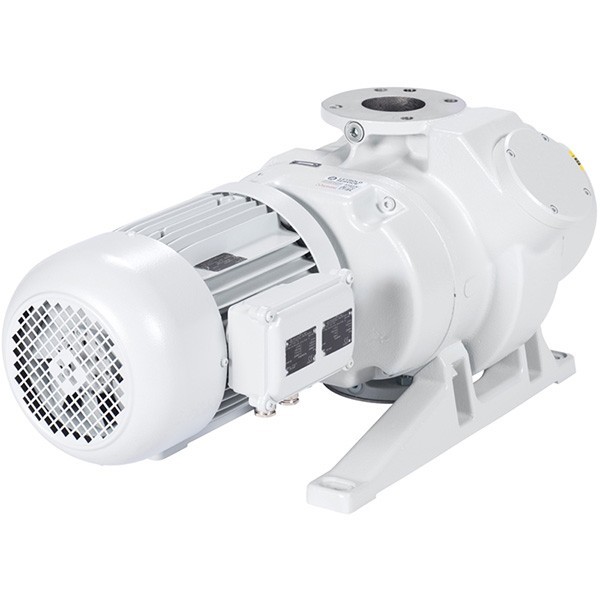
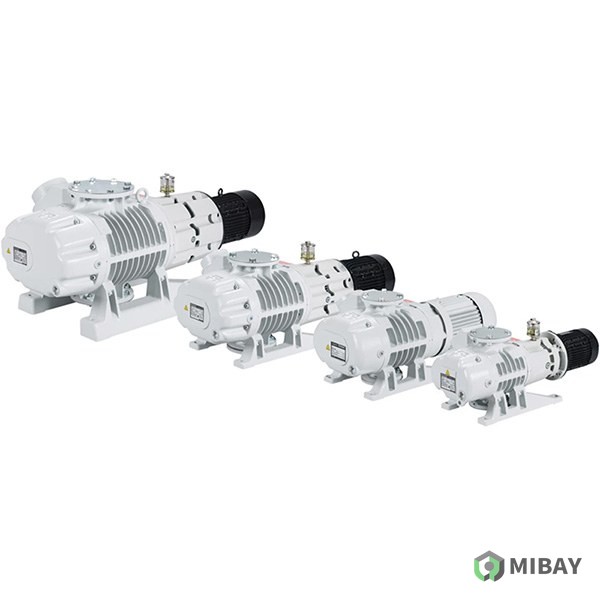
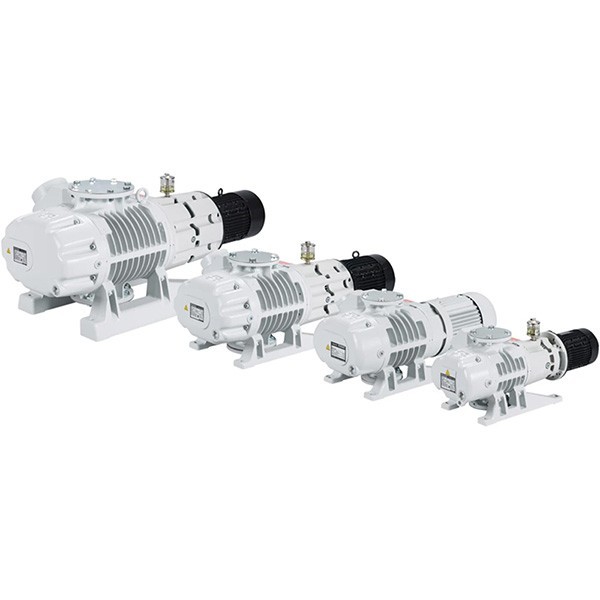
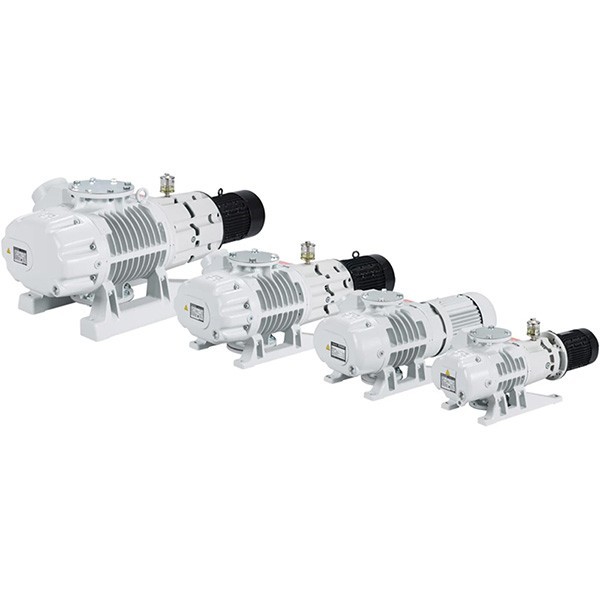
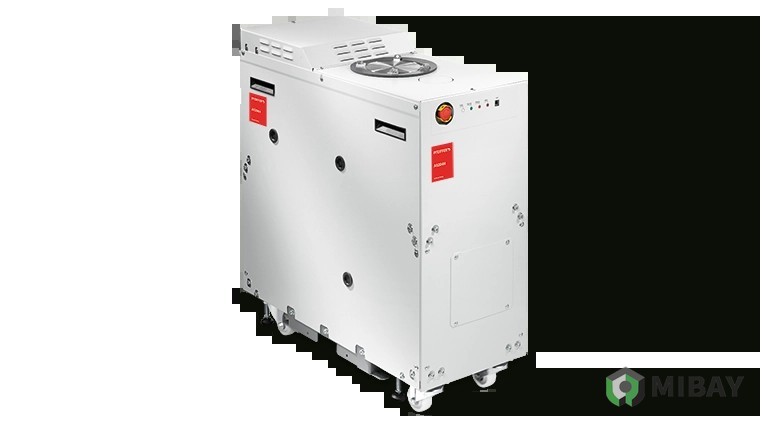
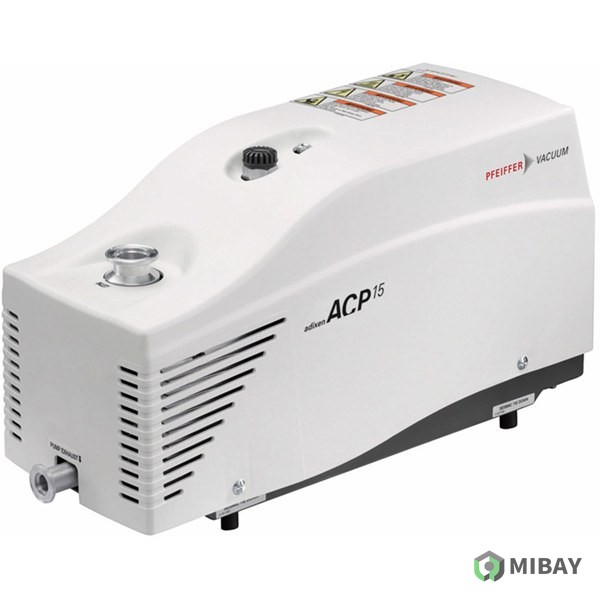
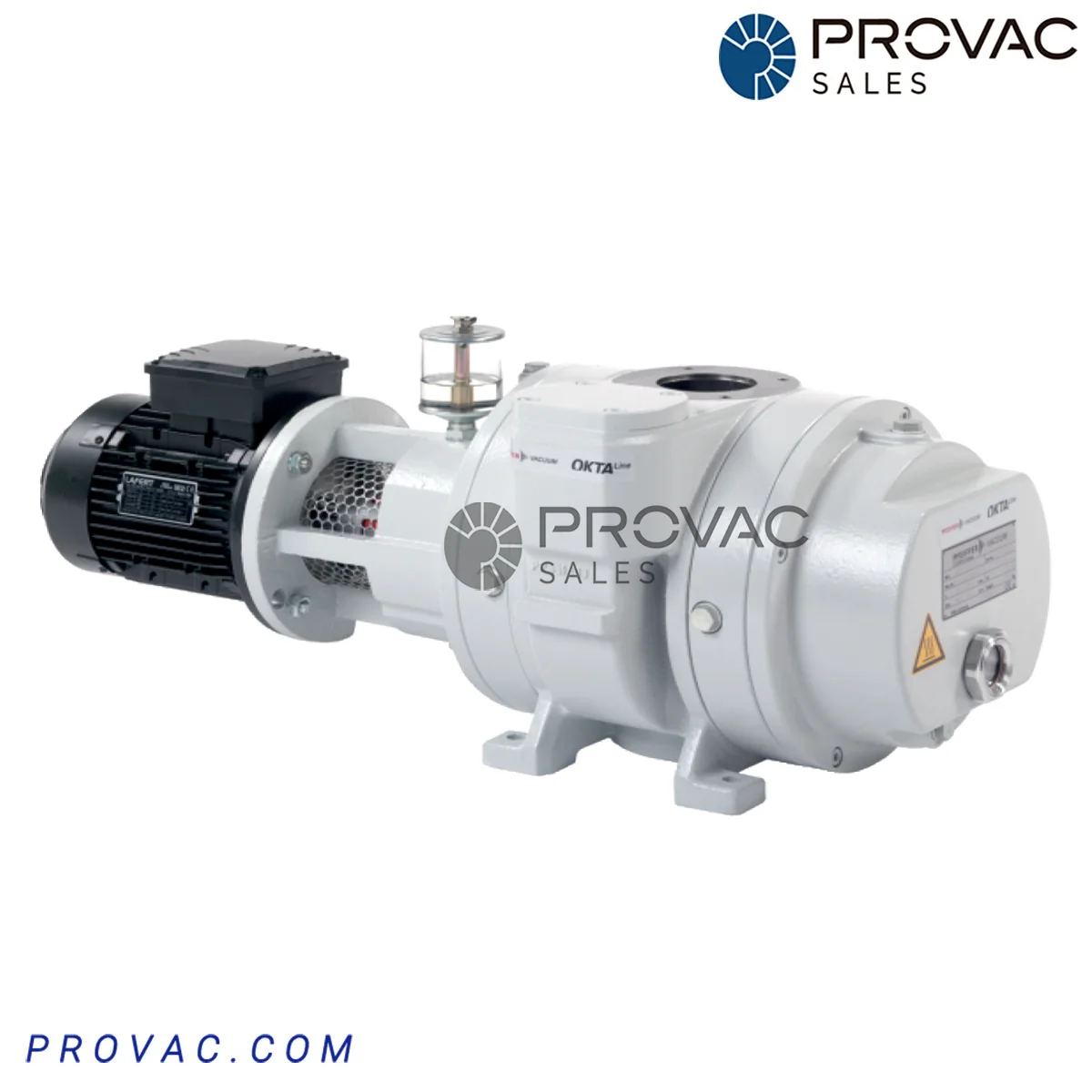
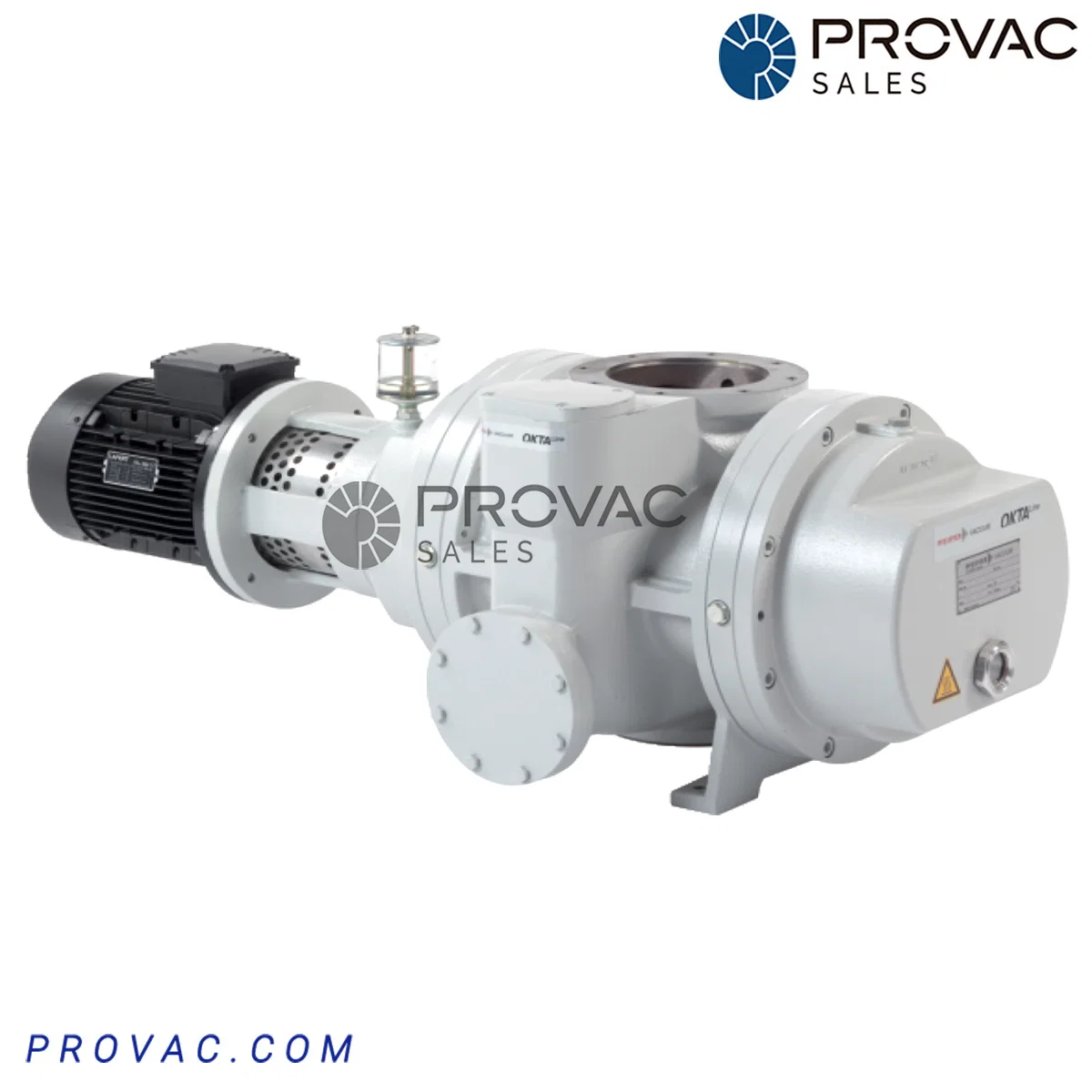
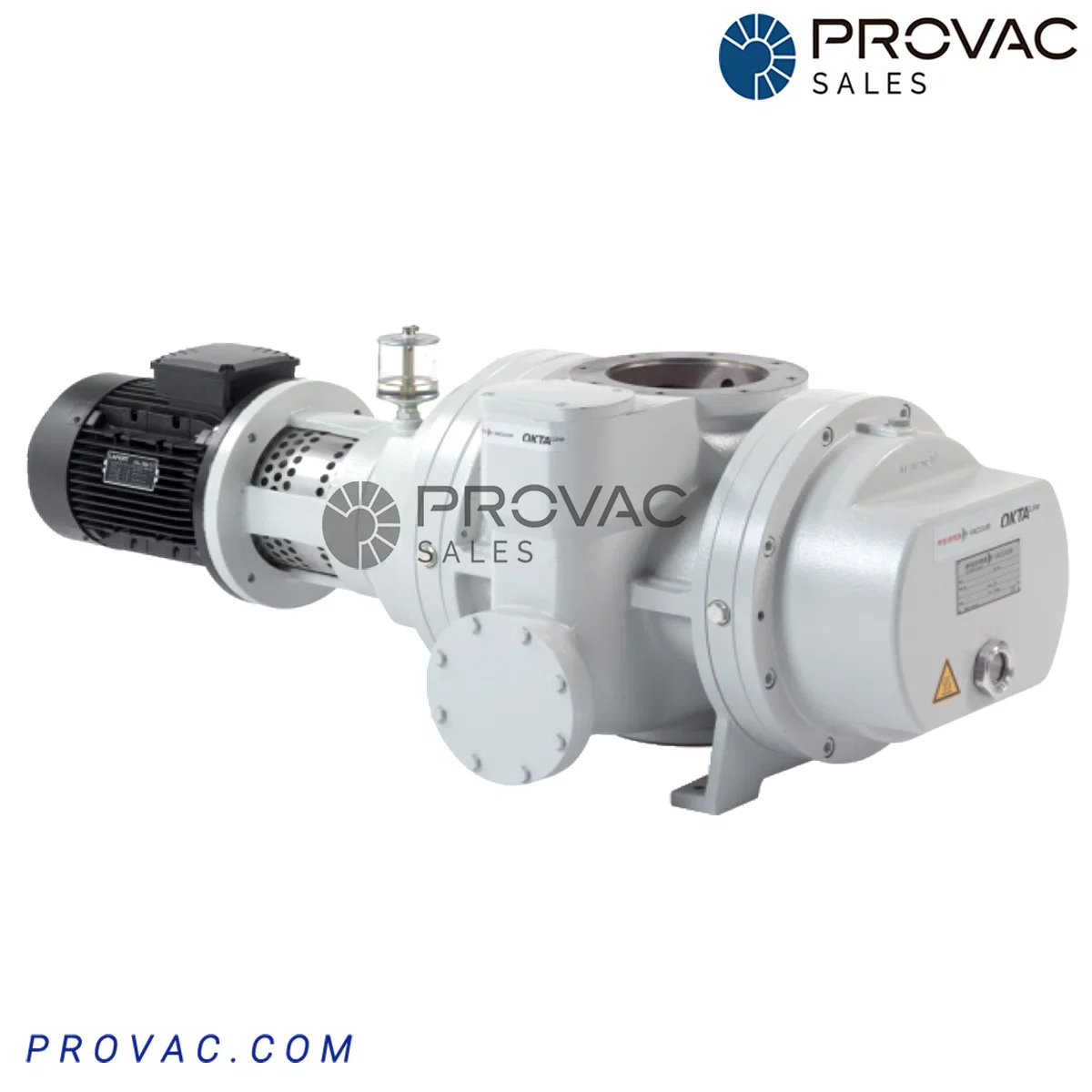
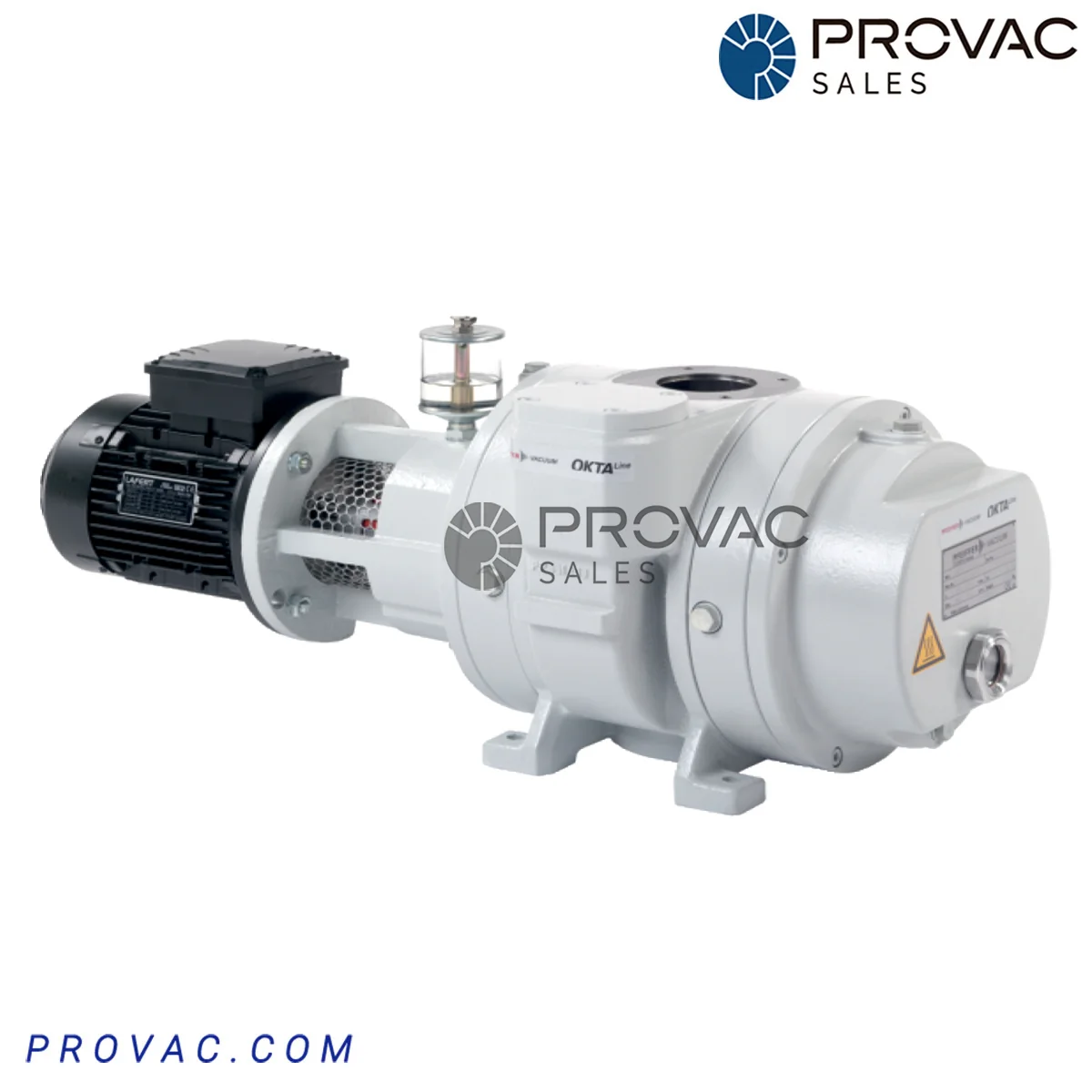
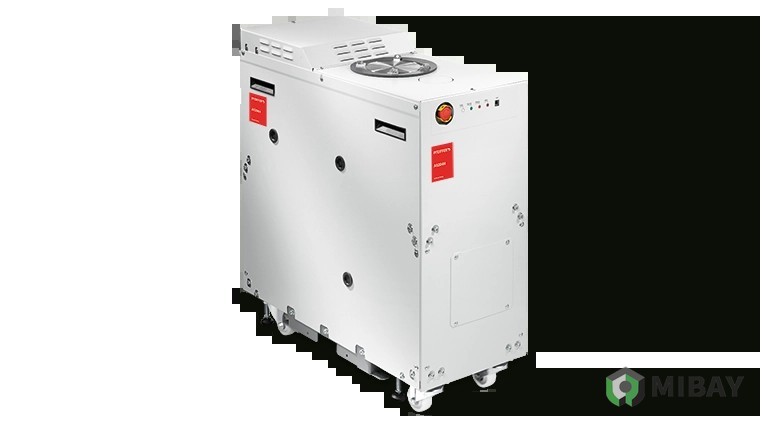
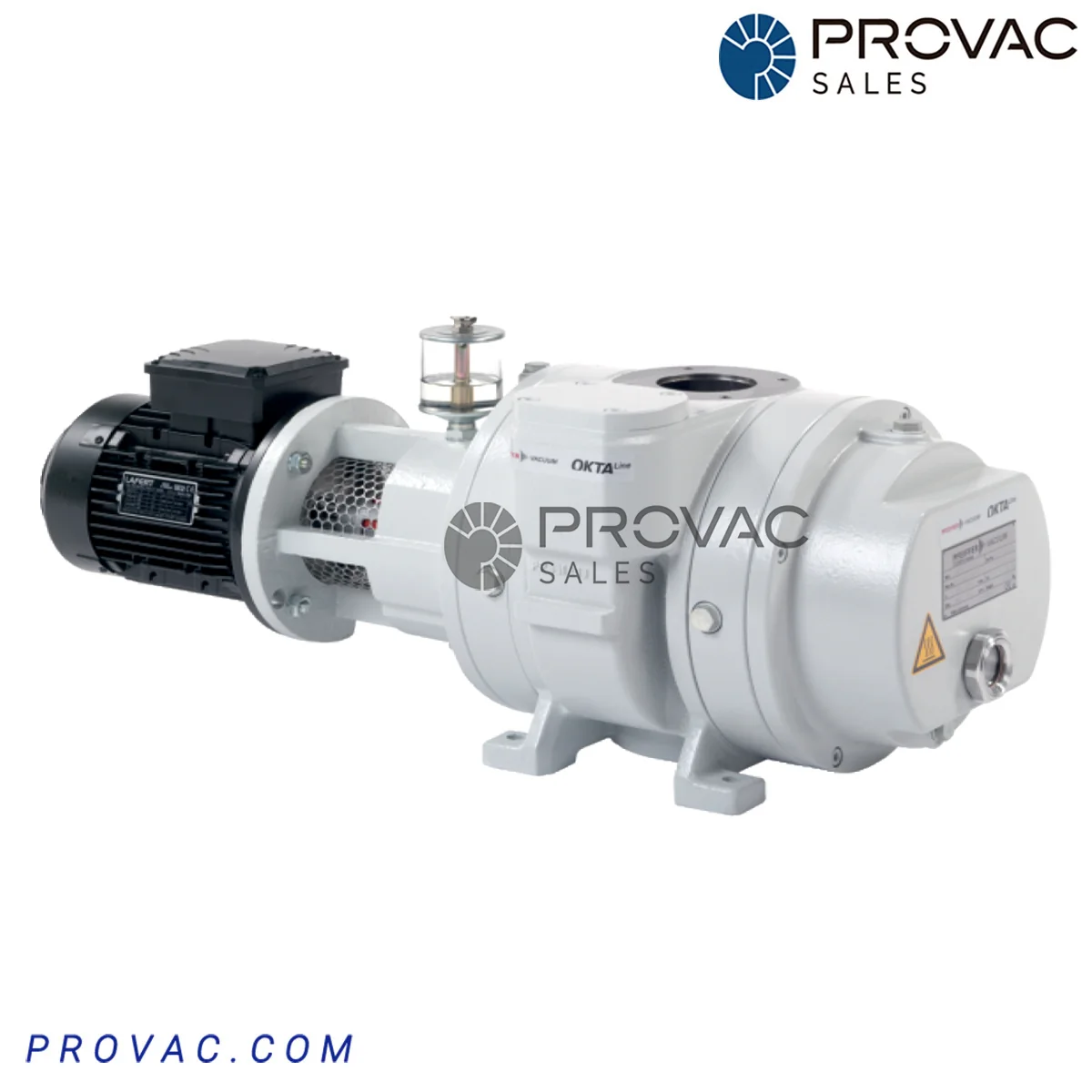
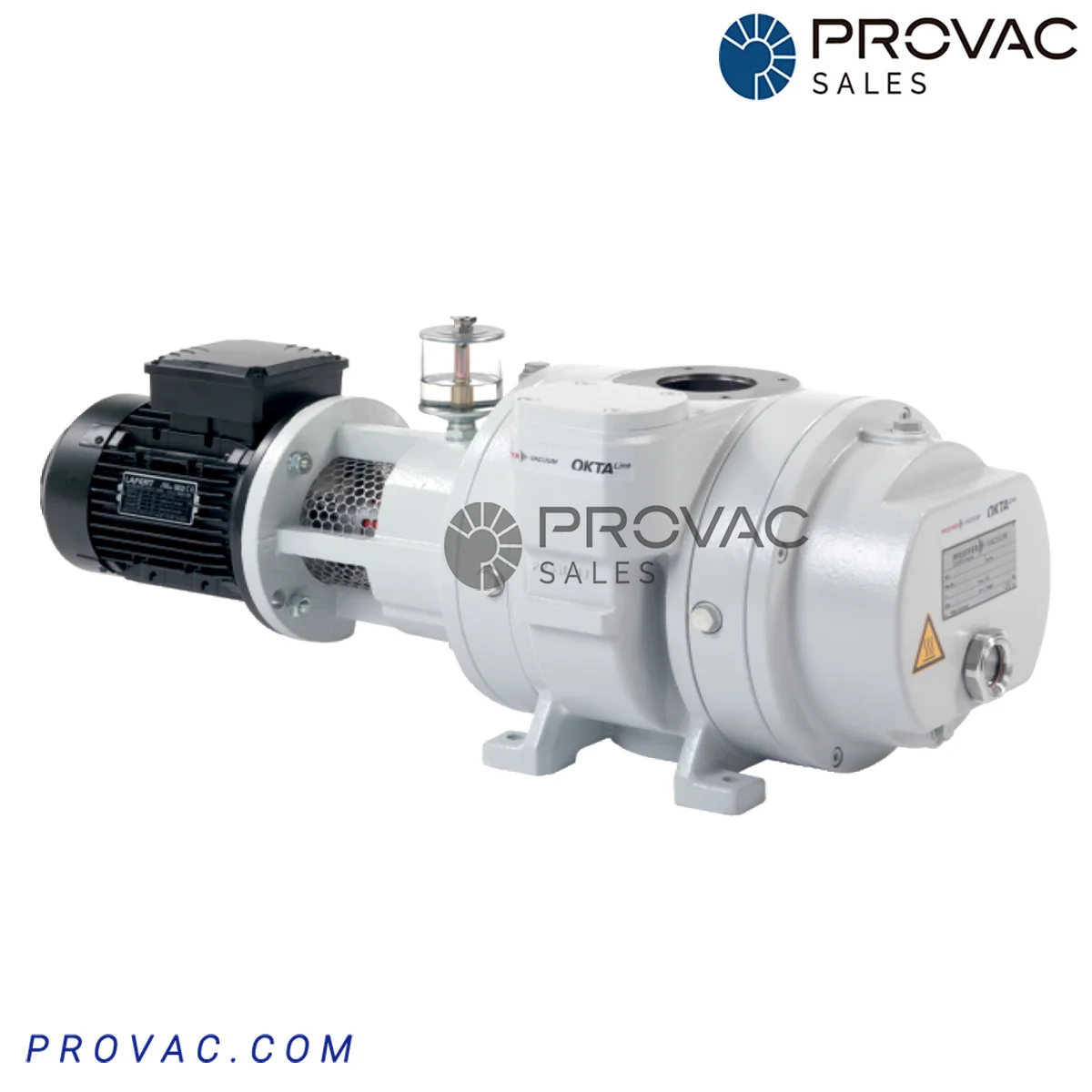
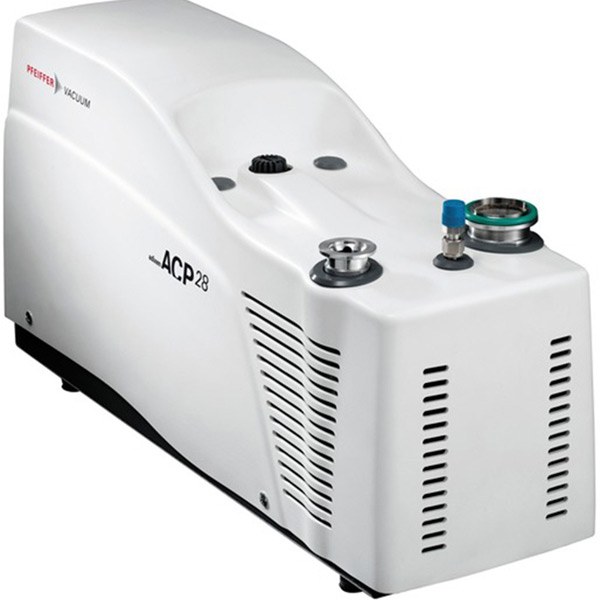
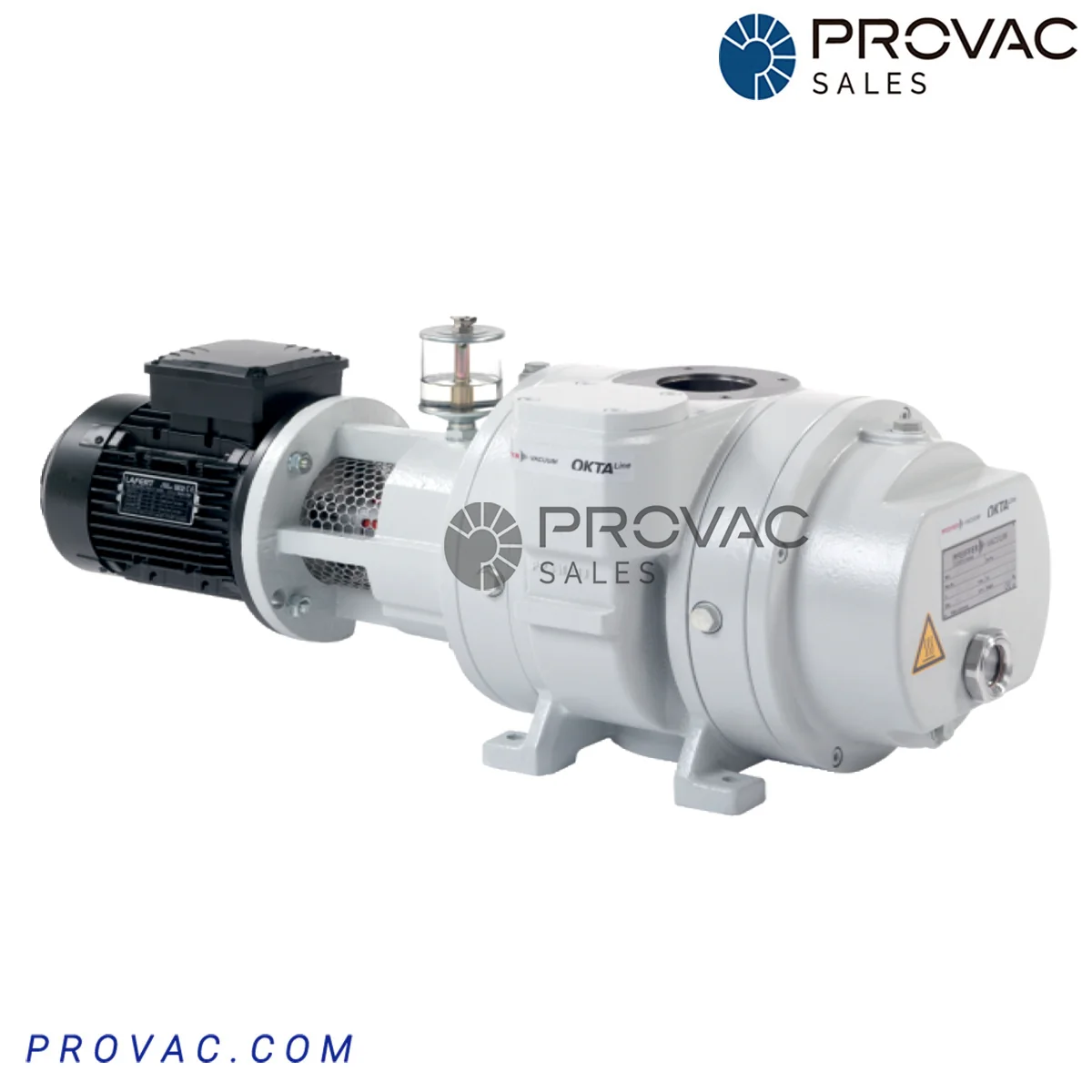
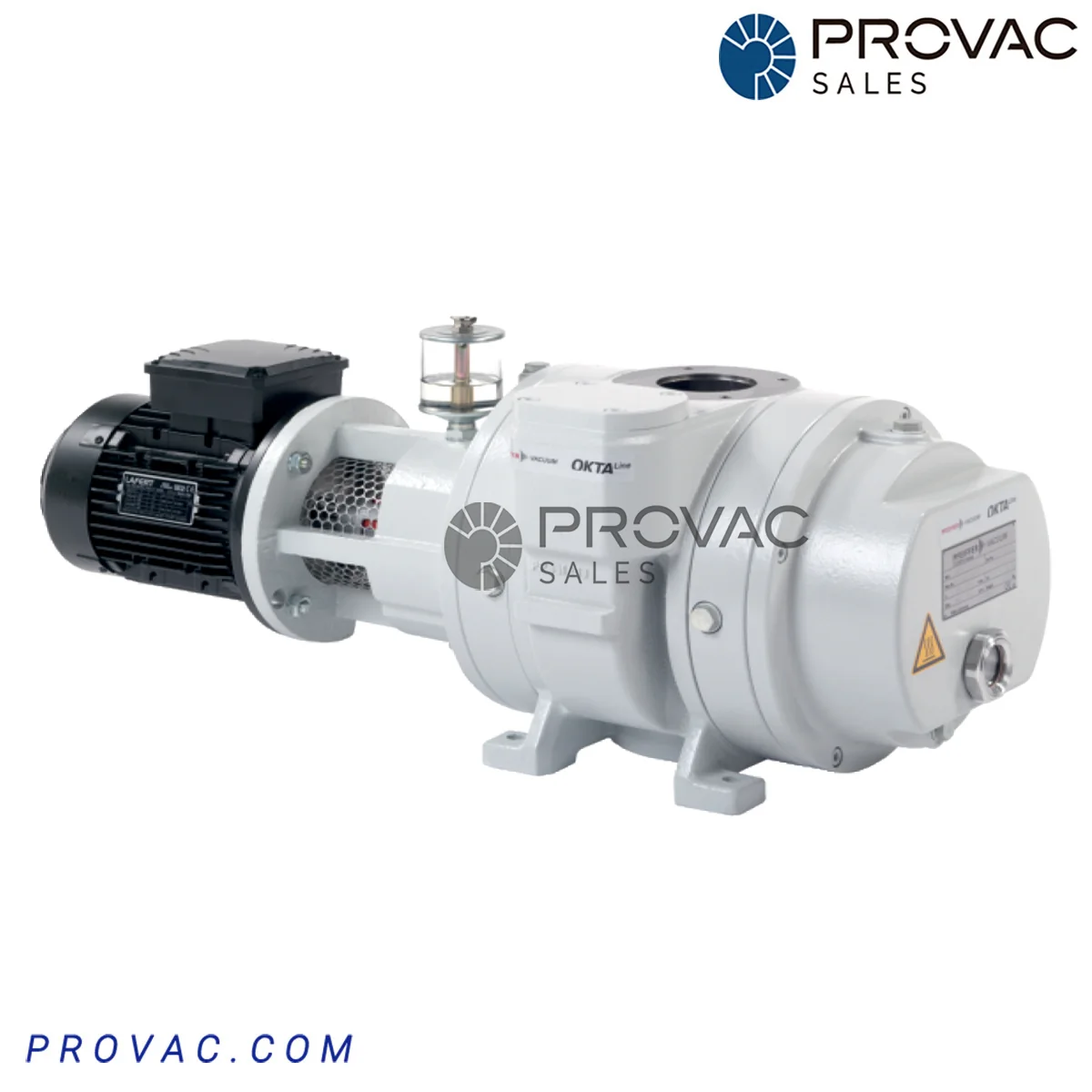
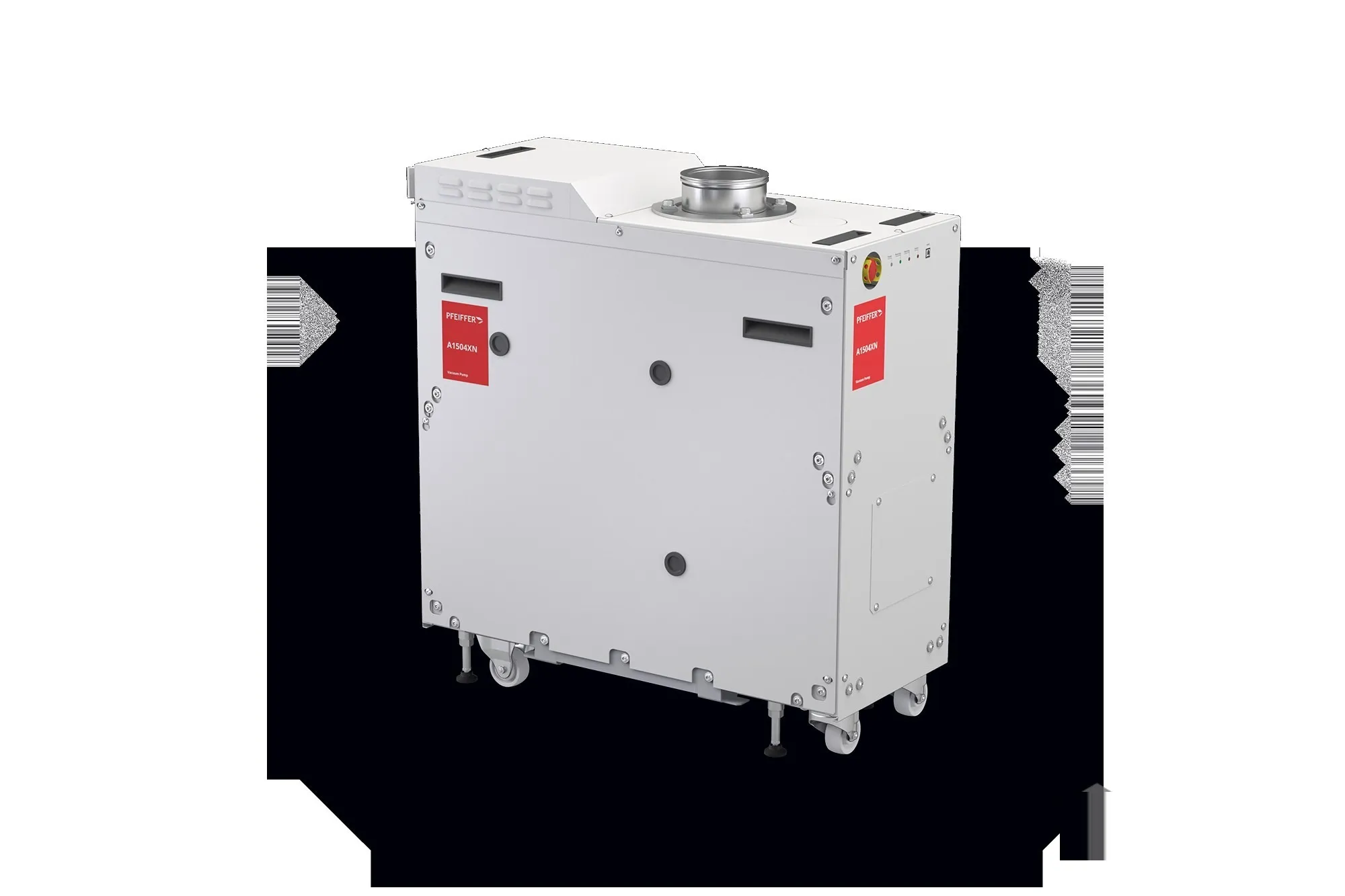
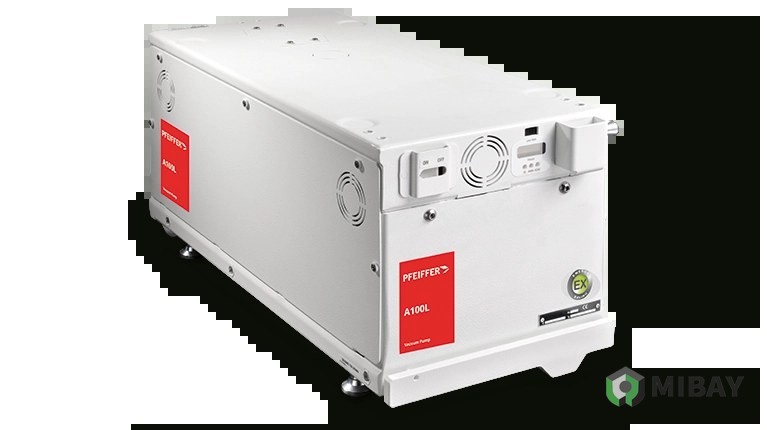
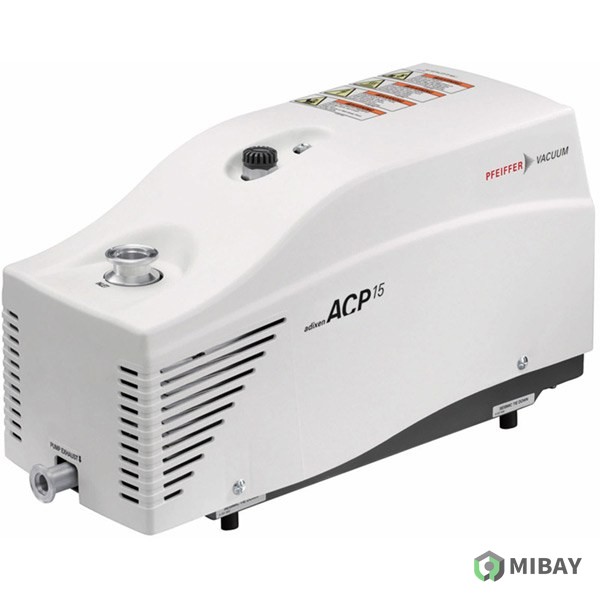
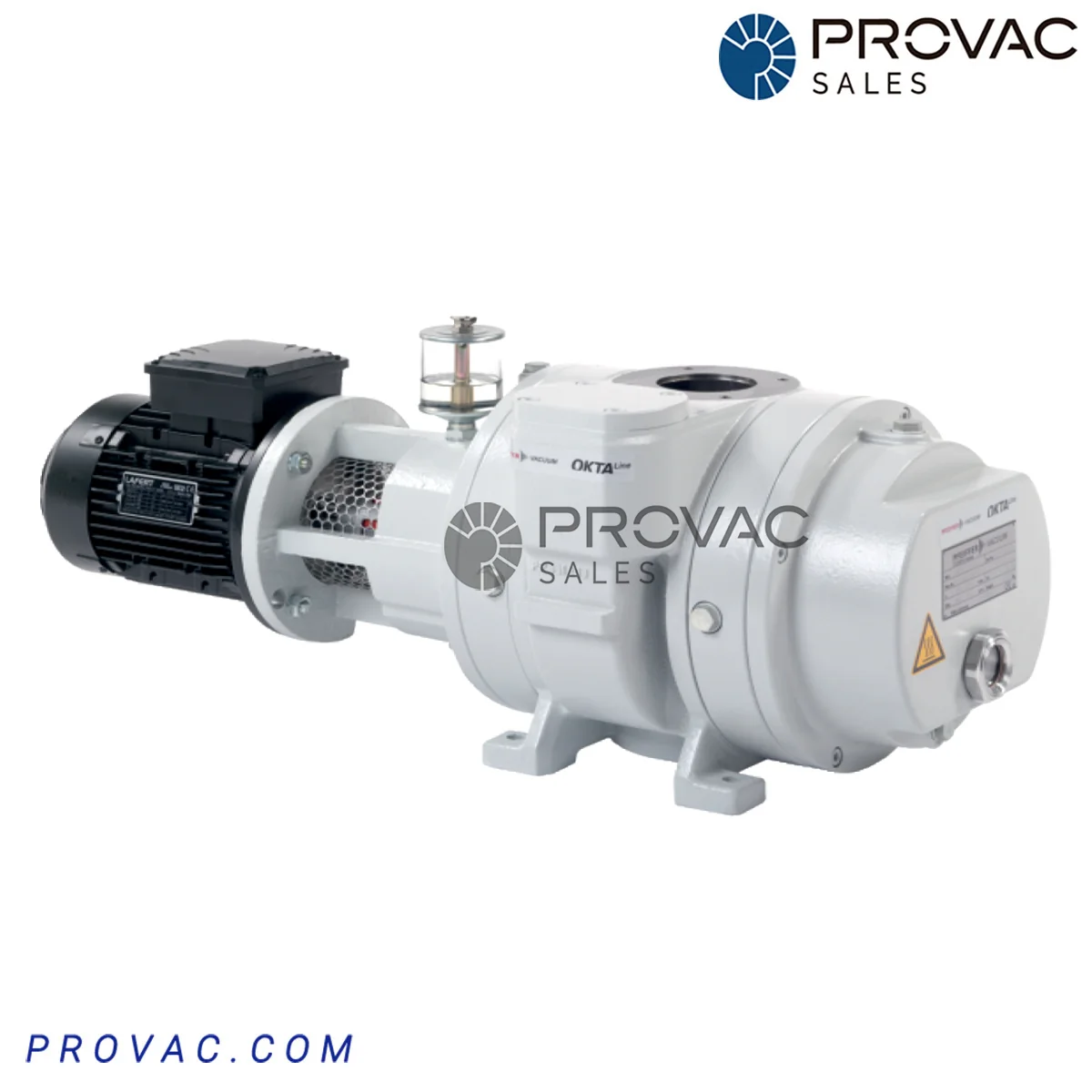
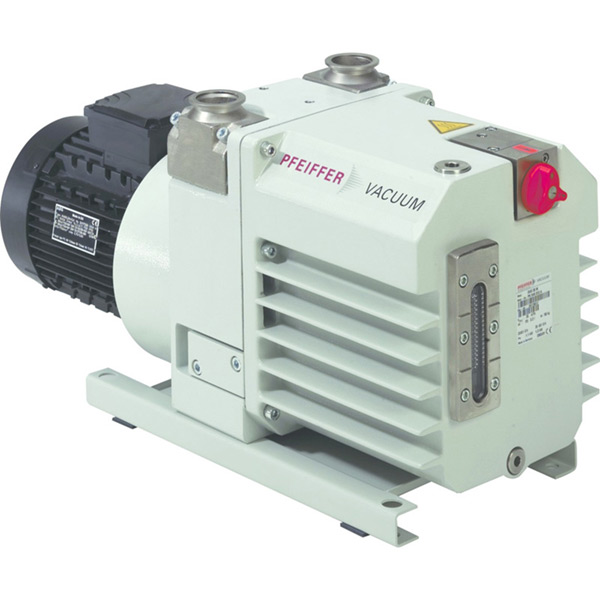
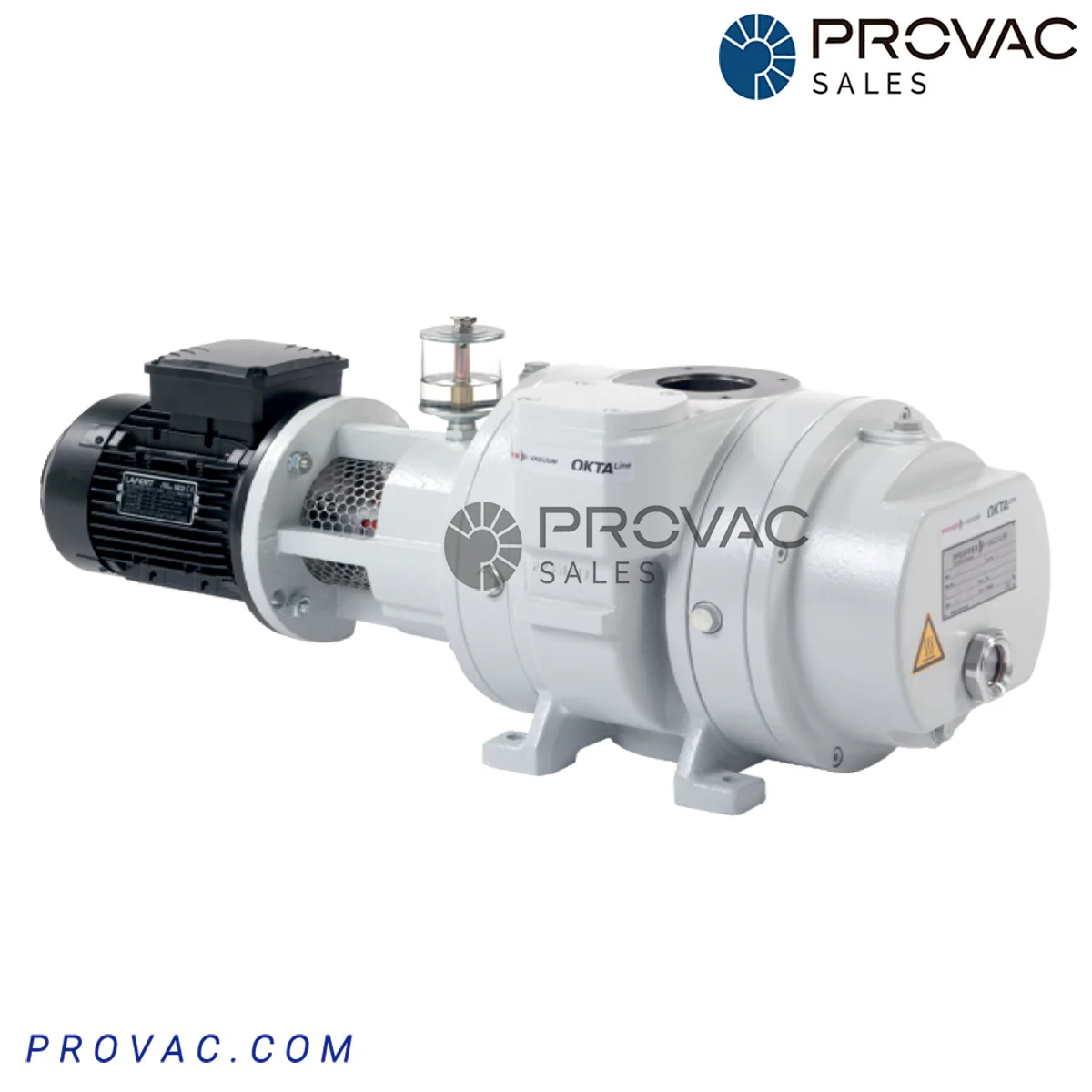
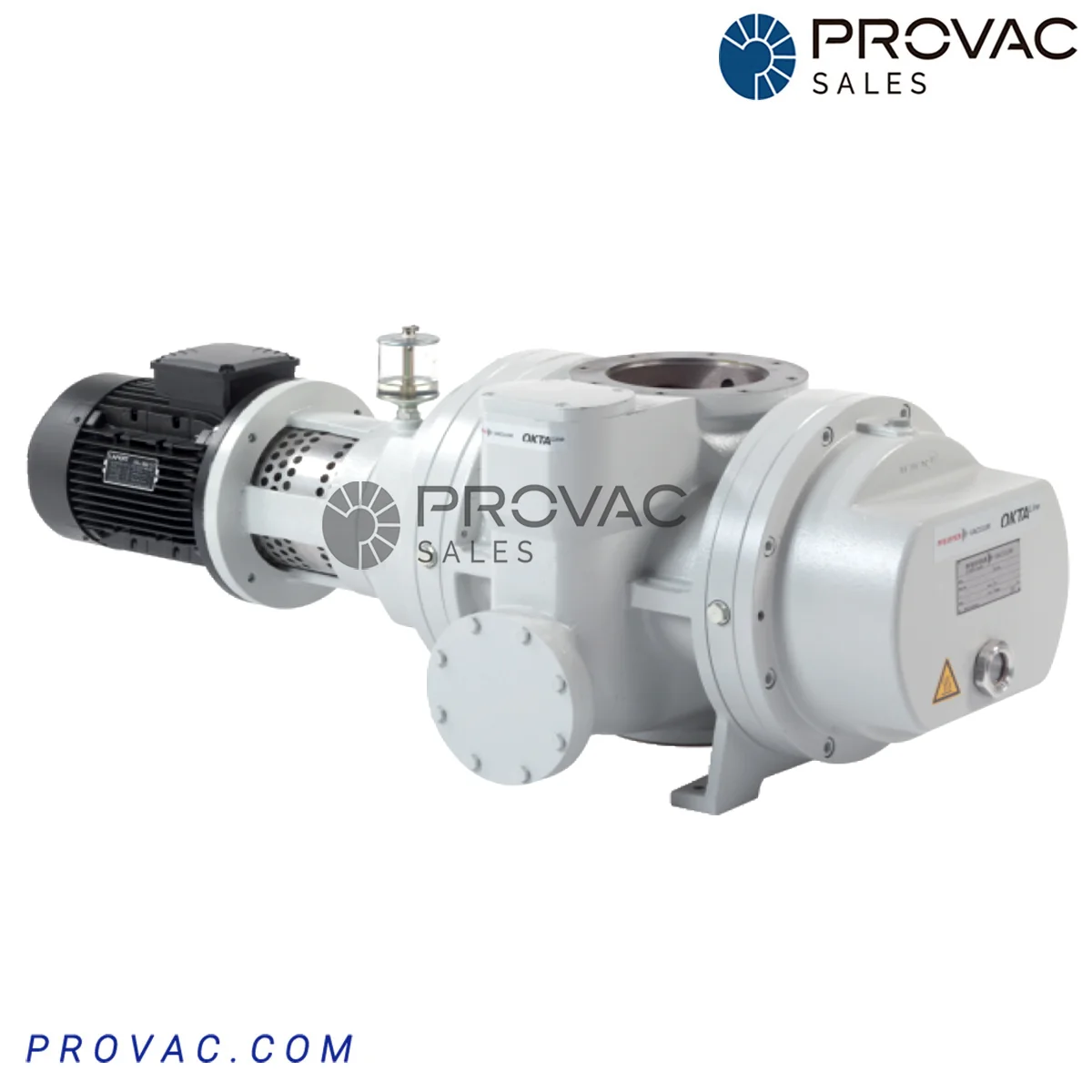
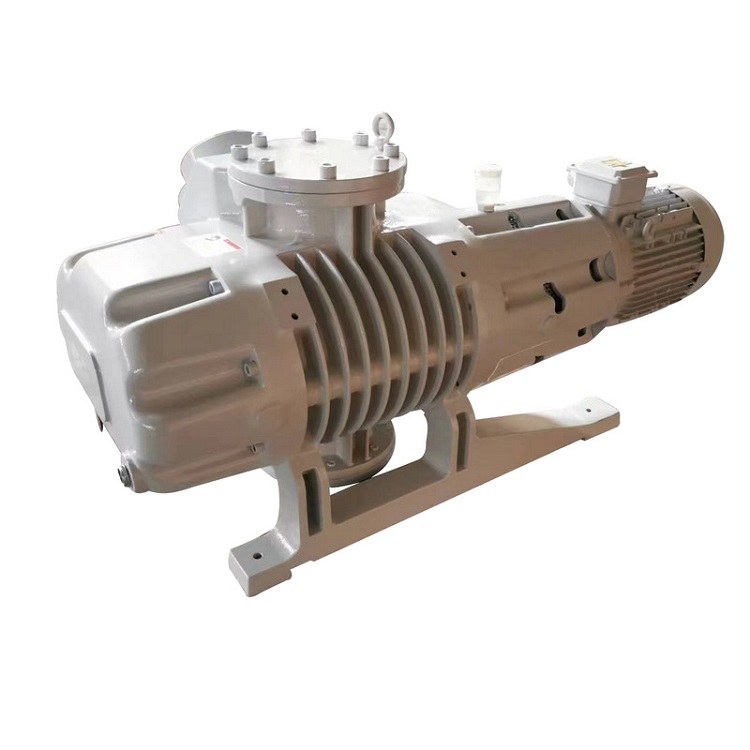
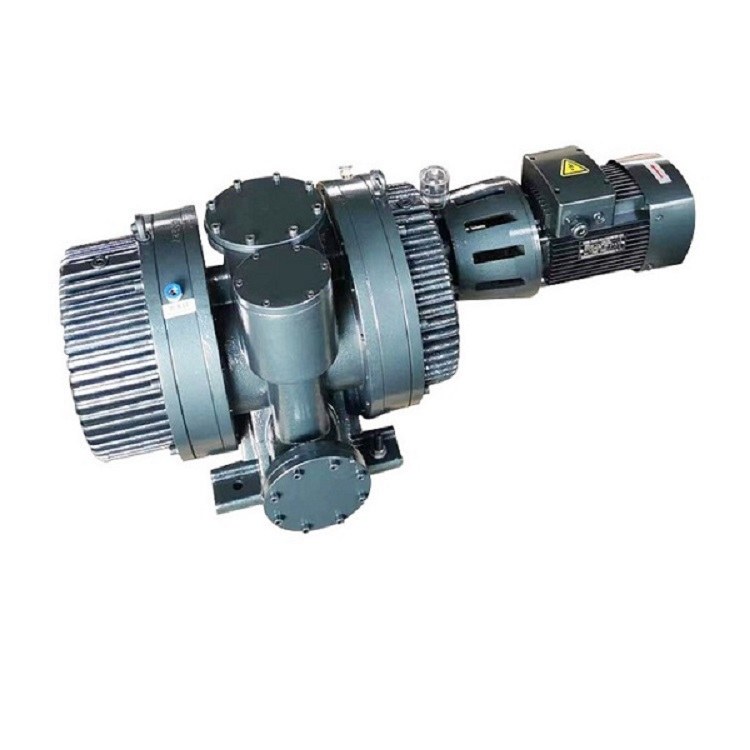
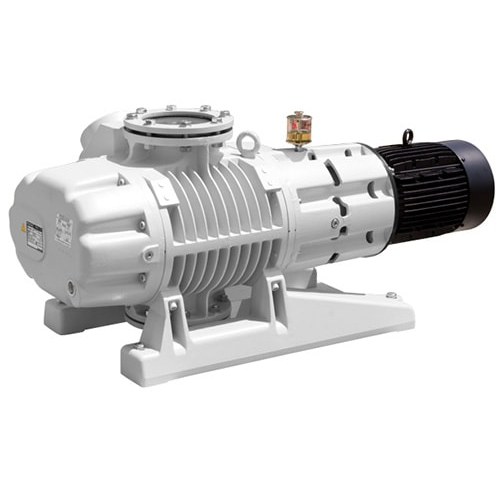
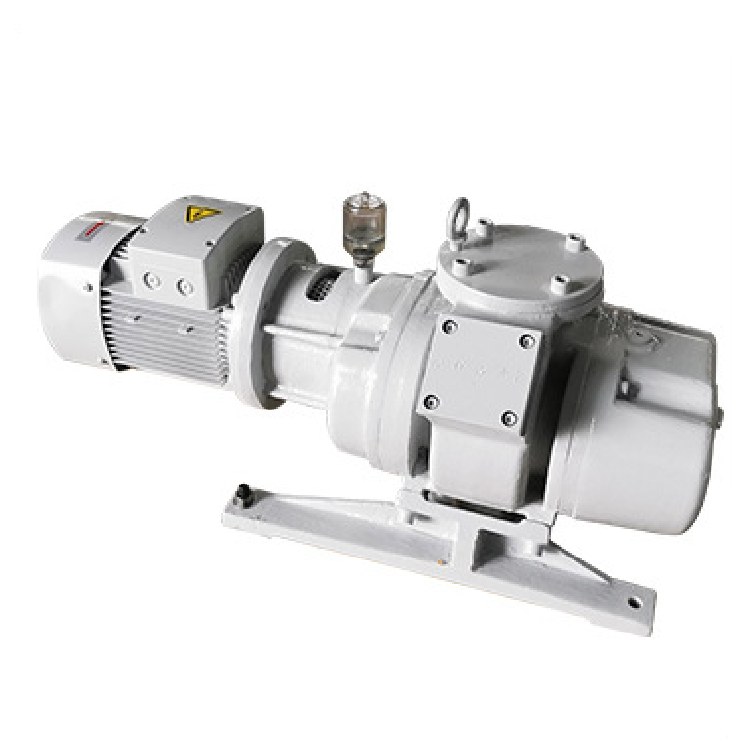
Roots vacuum pumps (blower/booster pumps) for high pumping speed at medium vacuum in combination with rotary vane or liquid ring backing pumps.
Leybold 33
 EquipLead time on quote
WSU2001H
Pfeiffer 33
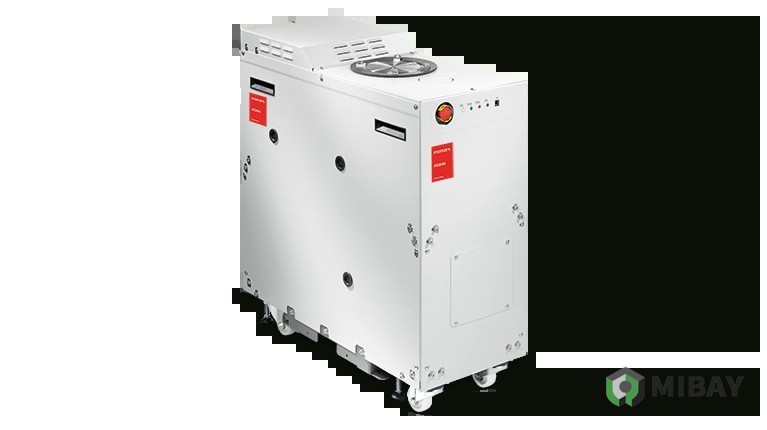
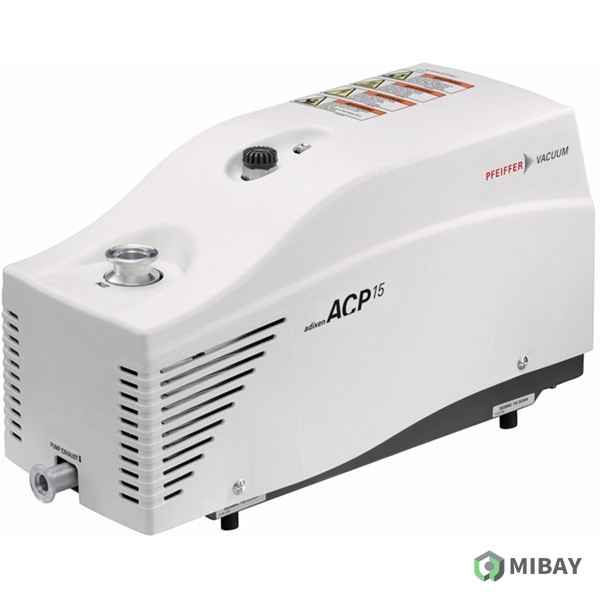
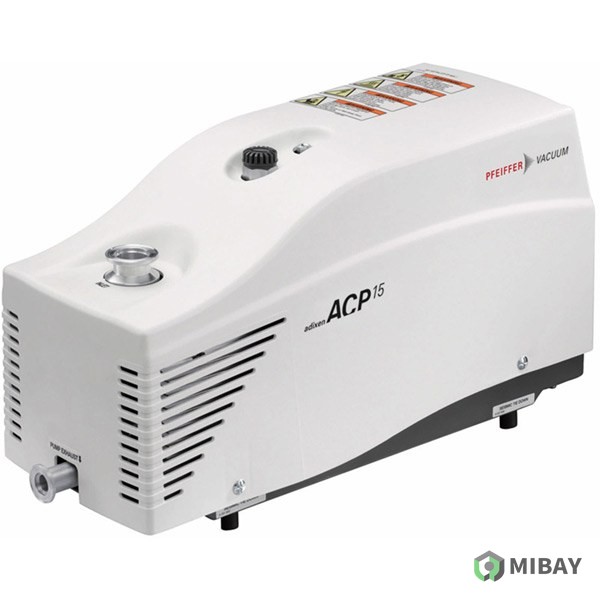
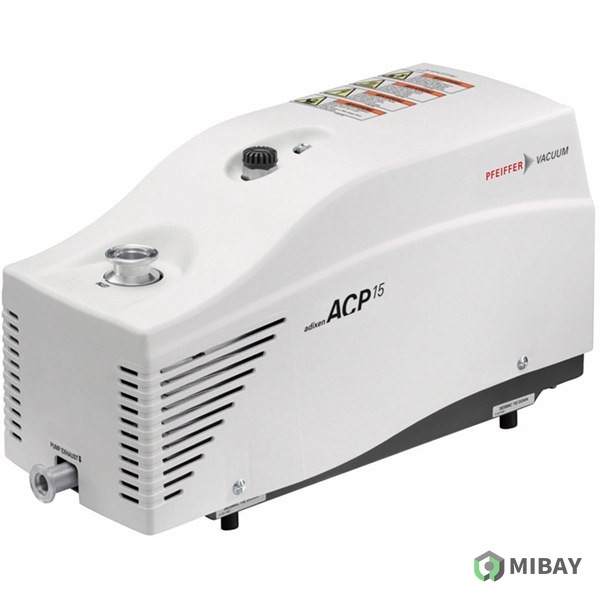
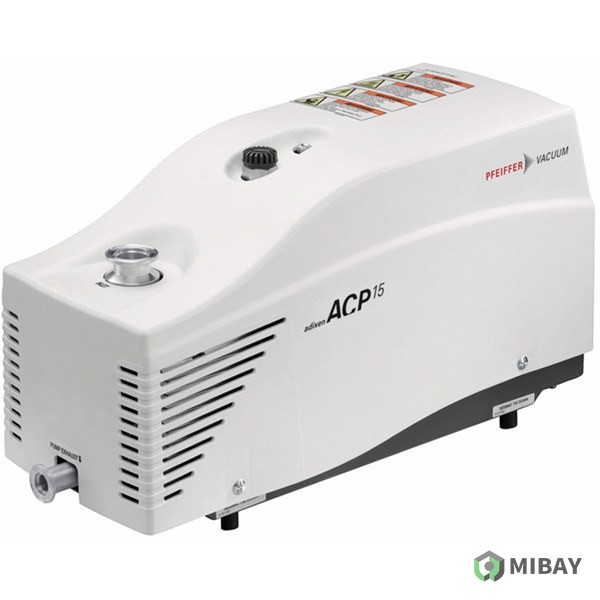
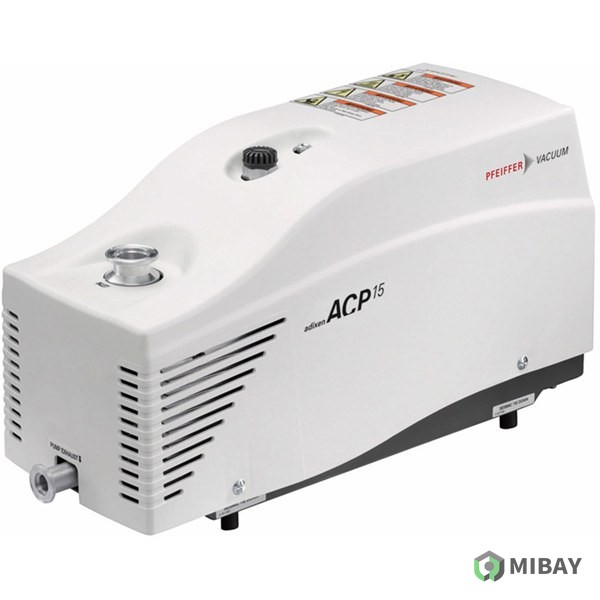
Mibay 18
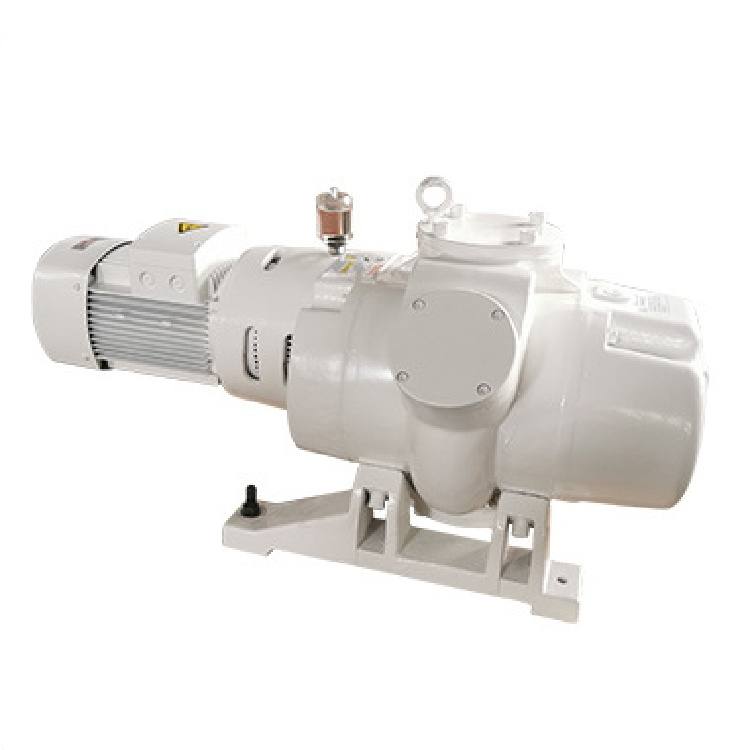 EquipLead time on quote
TRP-2000
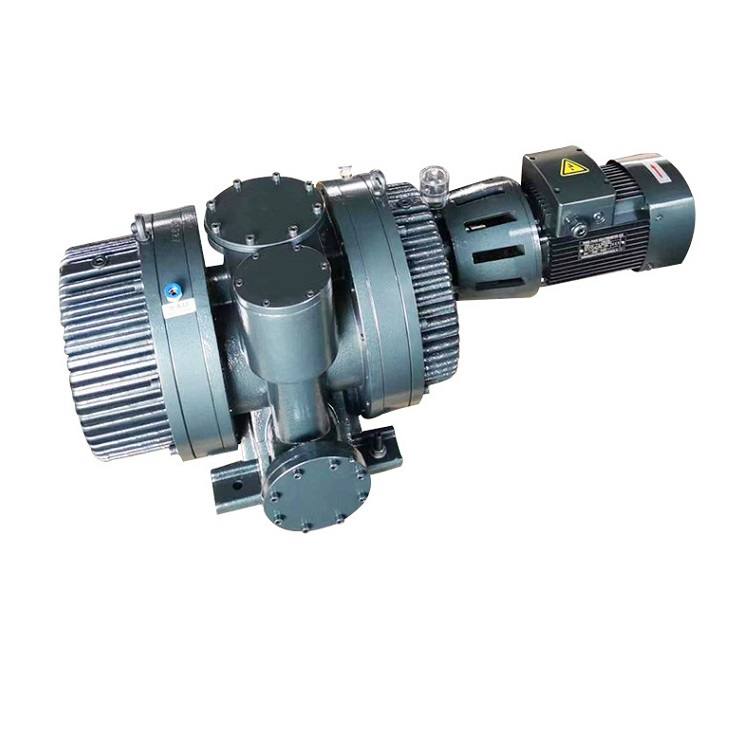 EquipLead time on quote
ZJP300A
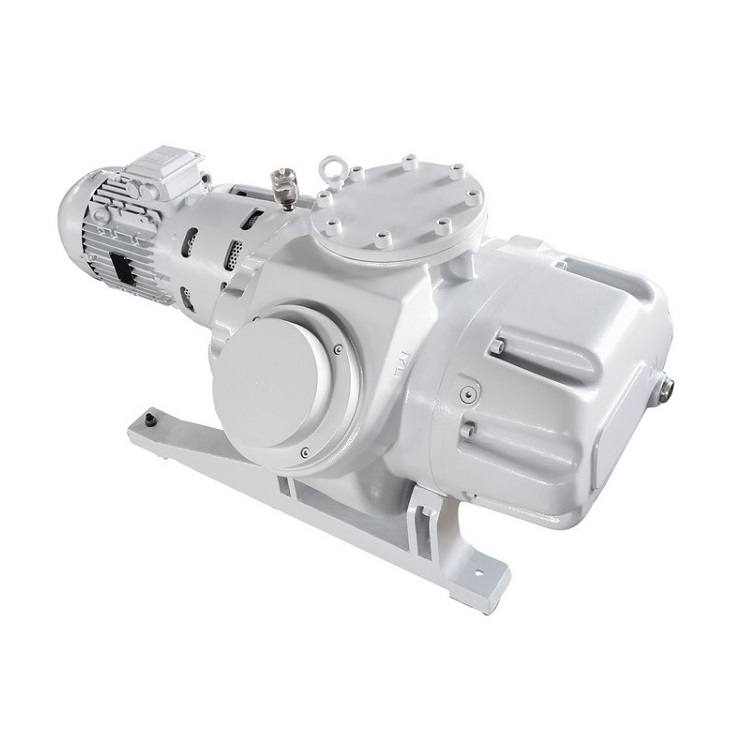 EquipLead time on quote
TRP-250
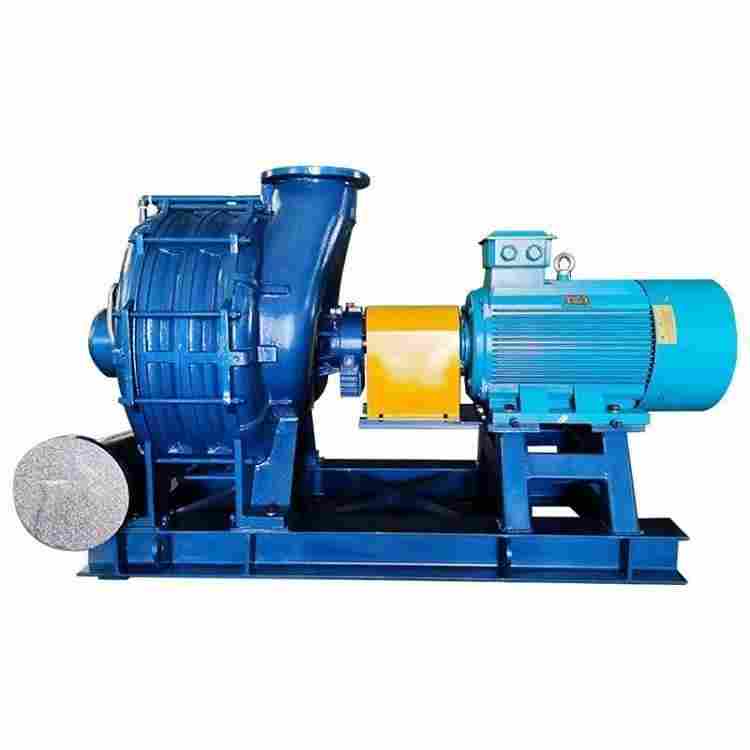 EquipLead time on quote
05
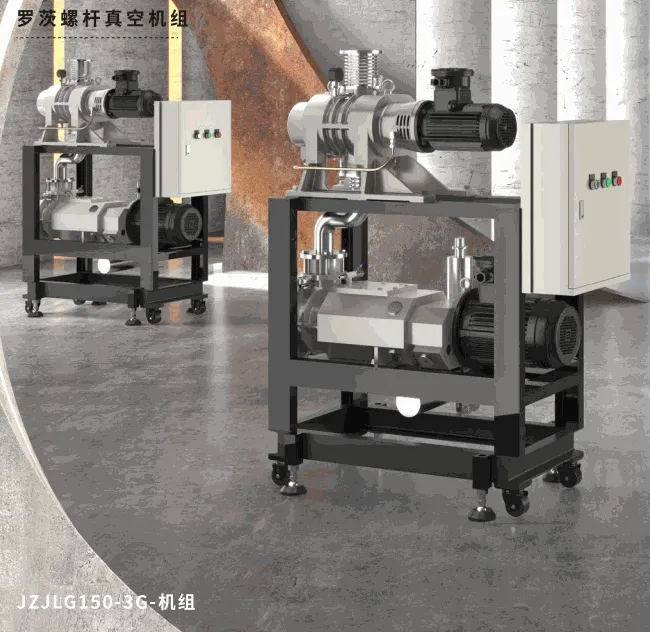 EquipLead time on quote
Applicability and Applications
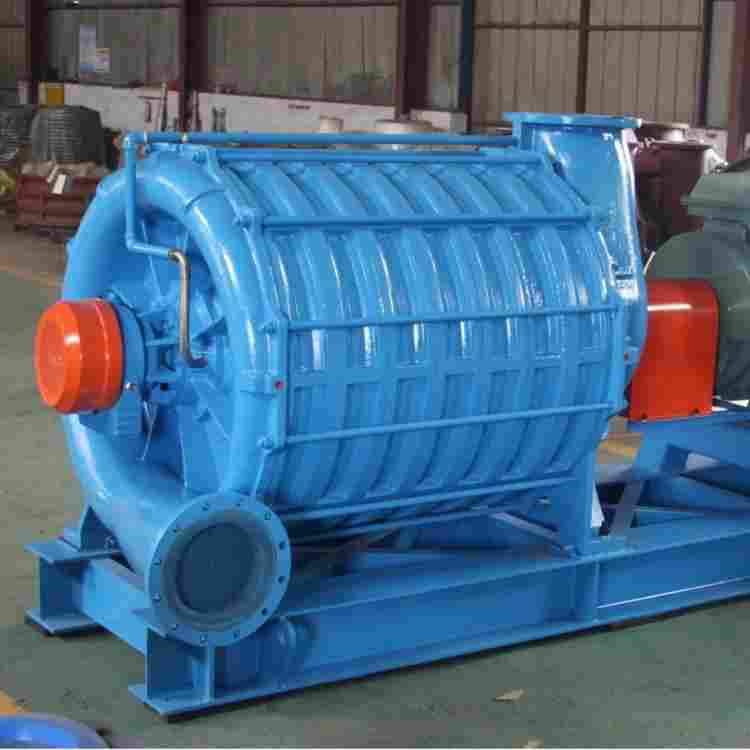 EquipLead time on quote
Cast Iron Three Lobe Roots Blo
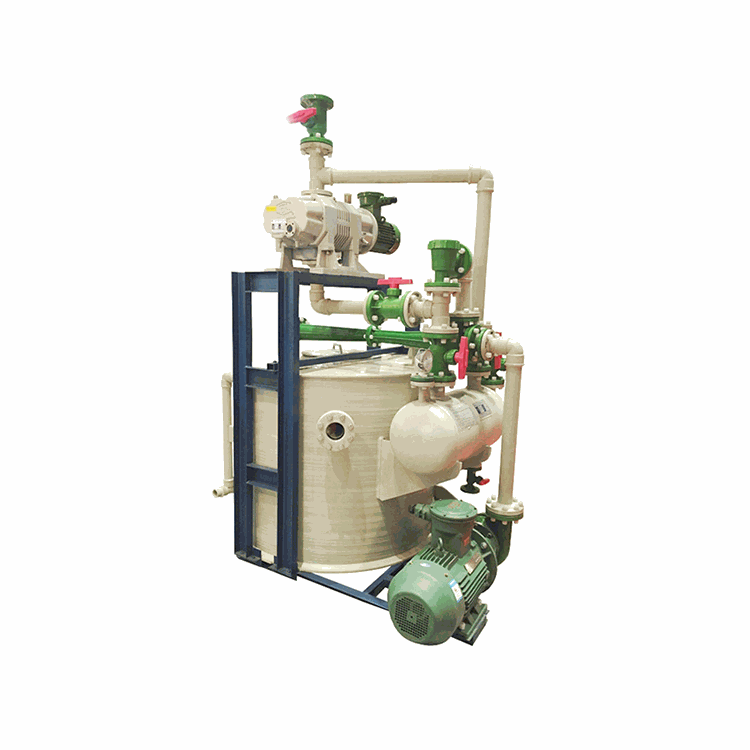 EquipLead time on quote
FJZJP-150
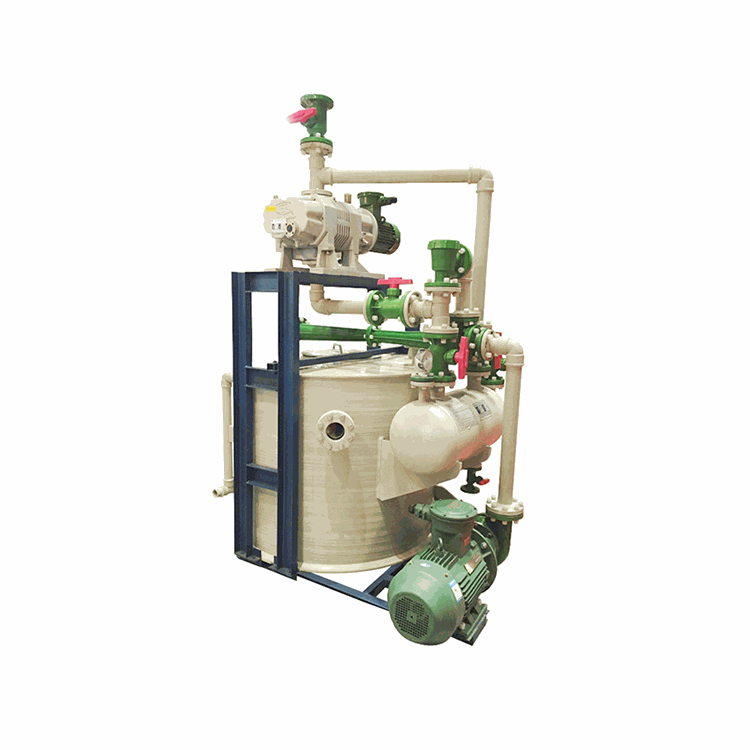 EquipLead time on quote
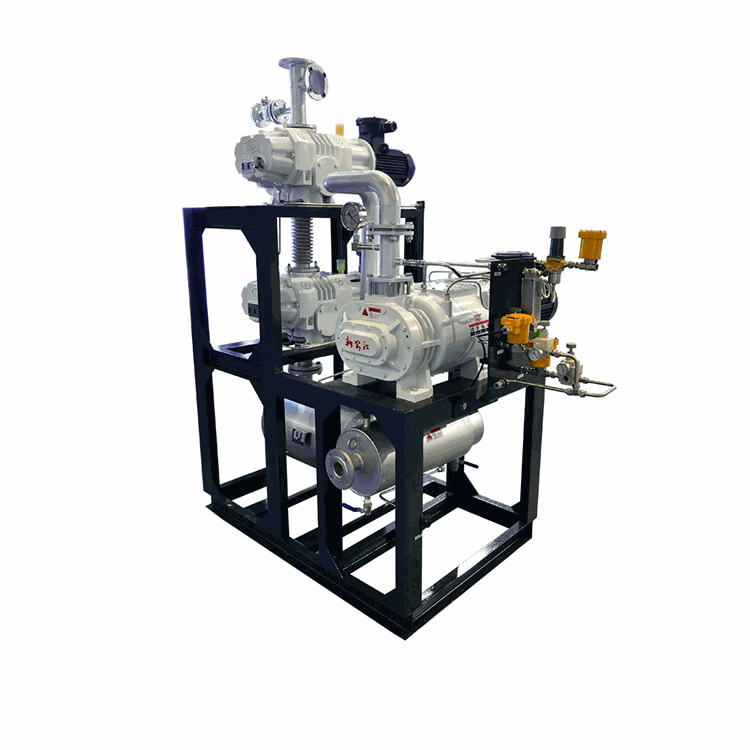
FJZJP-70
 EquipLead time on quote
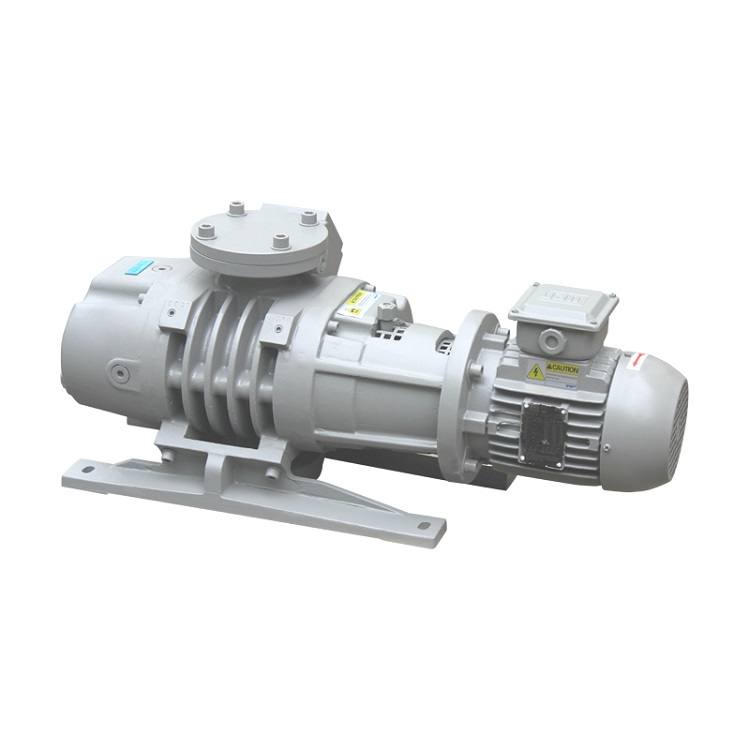
High vacuum above 150PA roots
 EquipLead time on quote
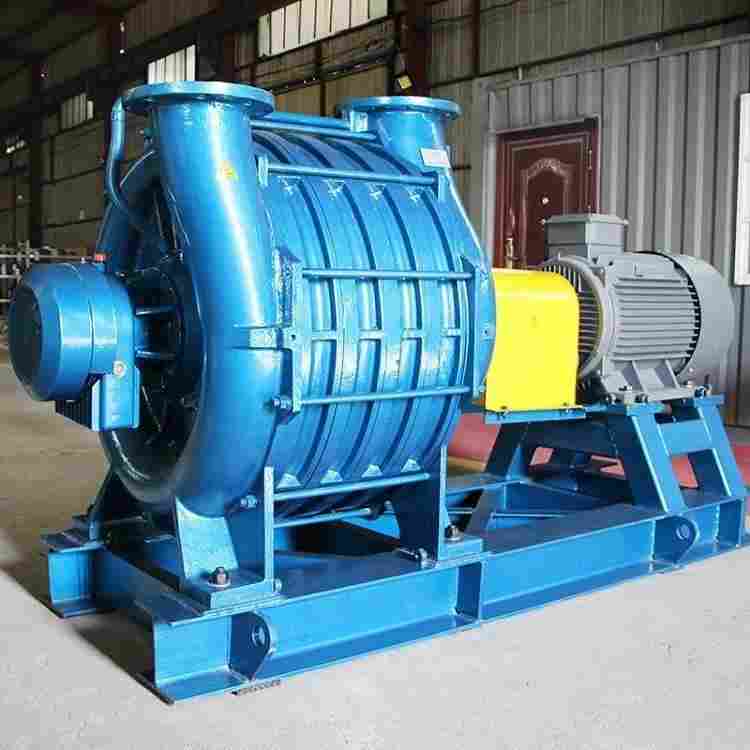
TRP-150
 EquipLead time on quote
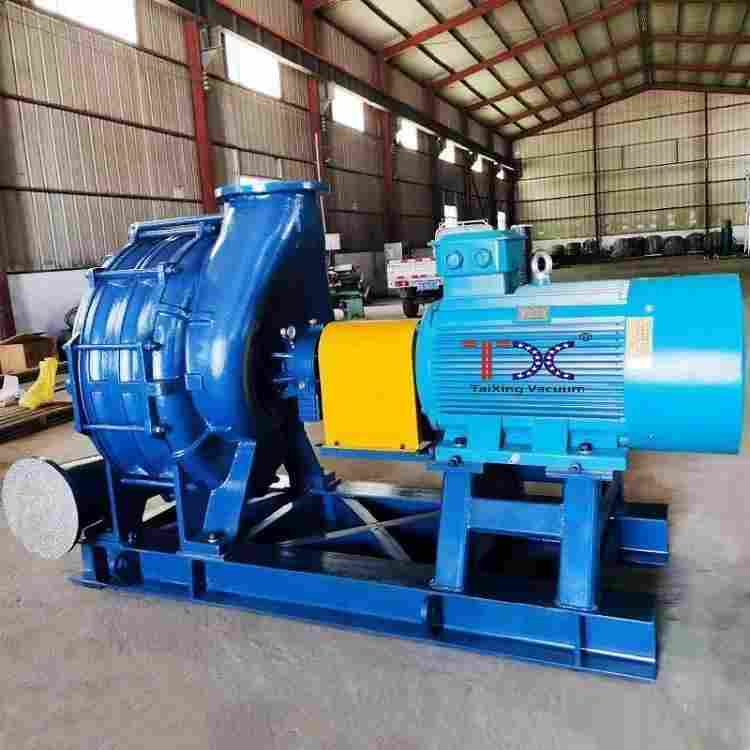
Taixing 380V Cast Iron Roots B
 EquipLead time on quote
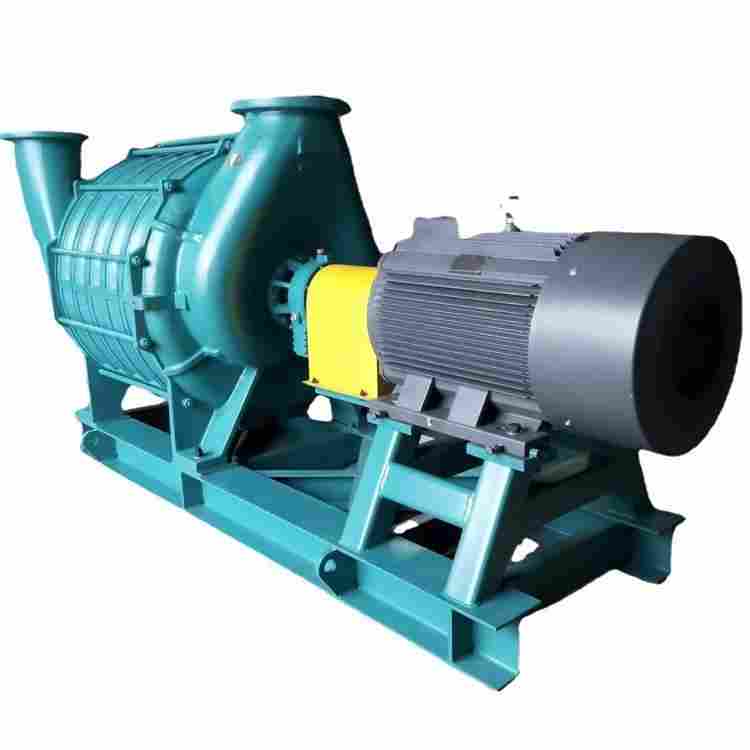
Taixing Cast Iron Roots Blower
 EquipLead time on quote
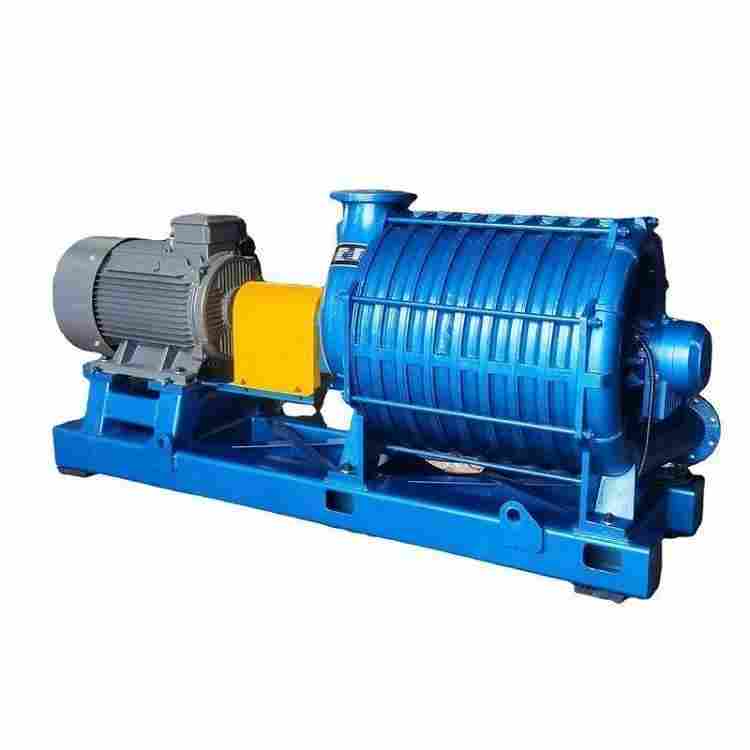
Taixing Three Lobe Roots Blowe
 EquipLead time on quote
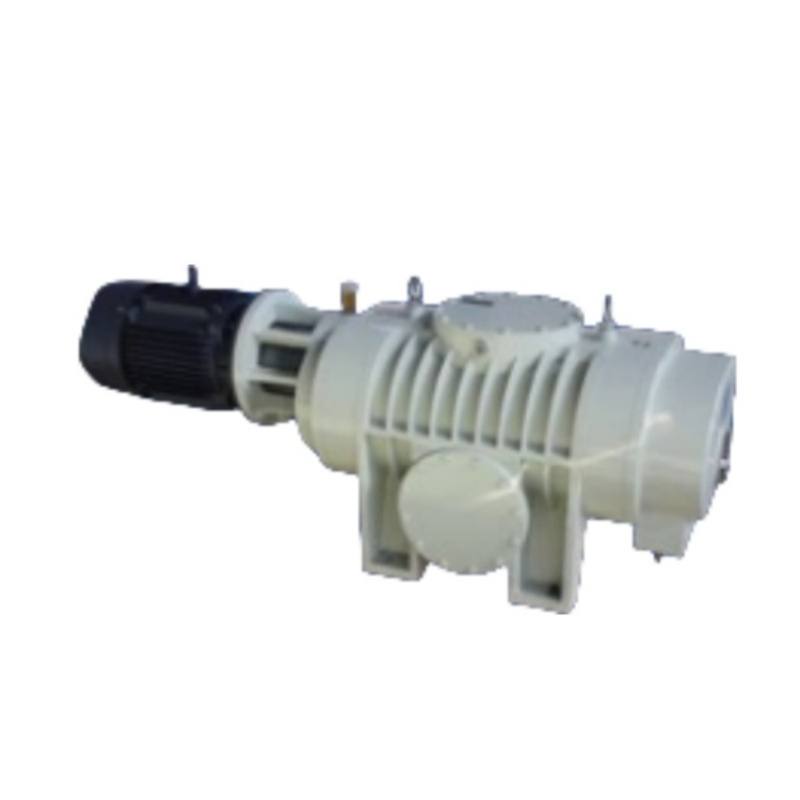
Xiamen Taixing High Pressure R
 EquipLead time on quote
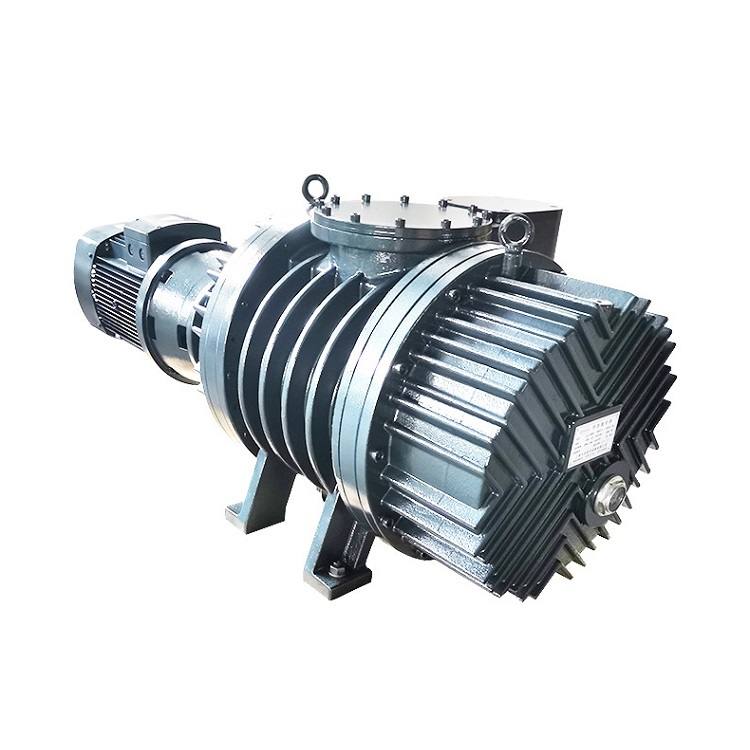
ZJ/ZJP Series Roots Vacuum Pum
 EquipLead time on quote
ZJP2500A
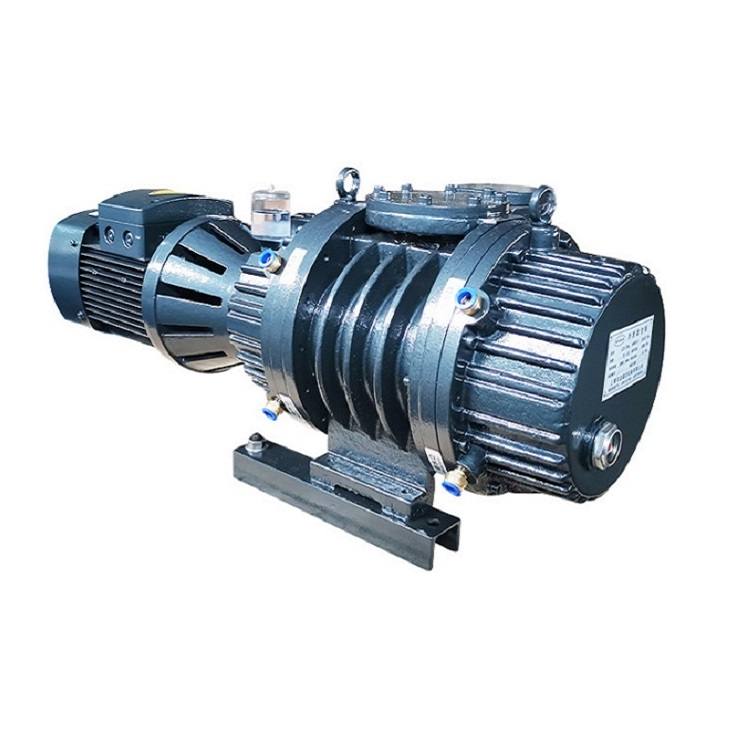 EquipLead time on quote
ZJP30A
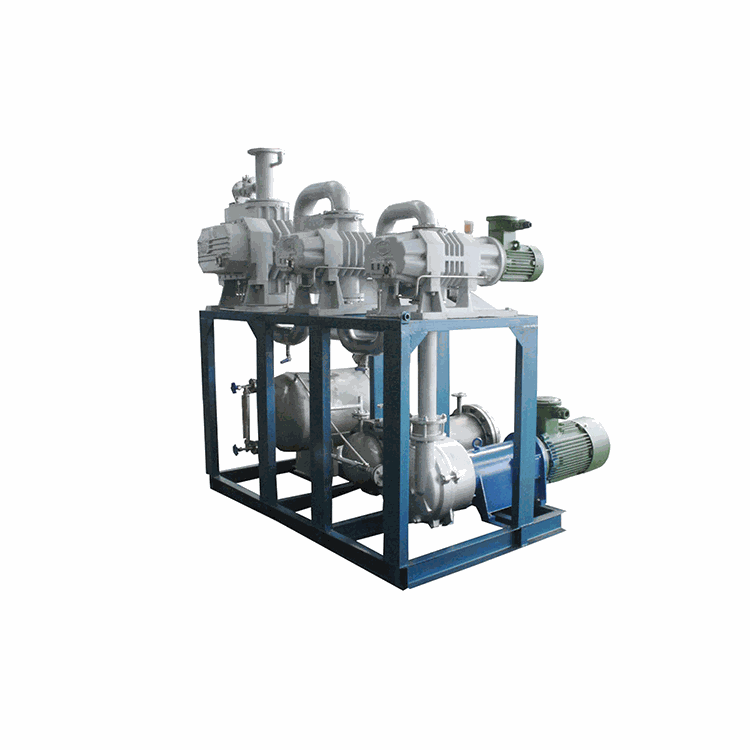 EquipLead time on quote
high efficiency and energy sav
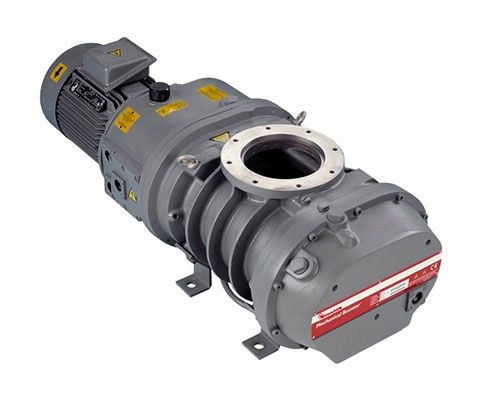
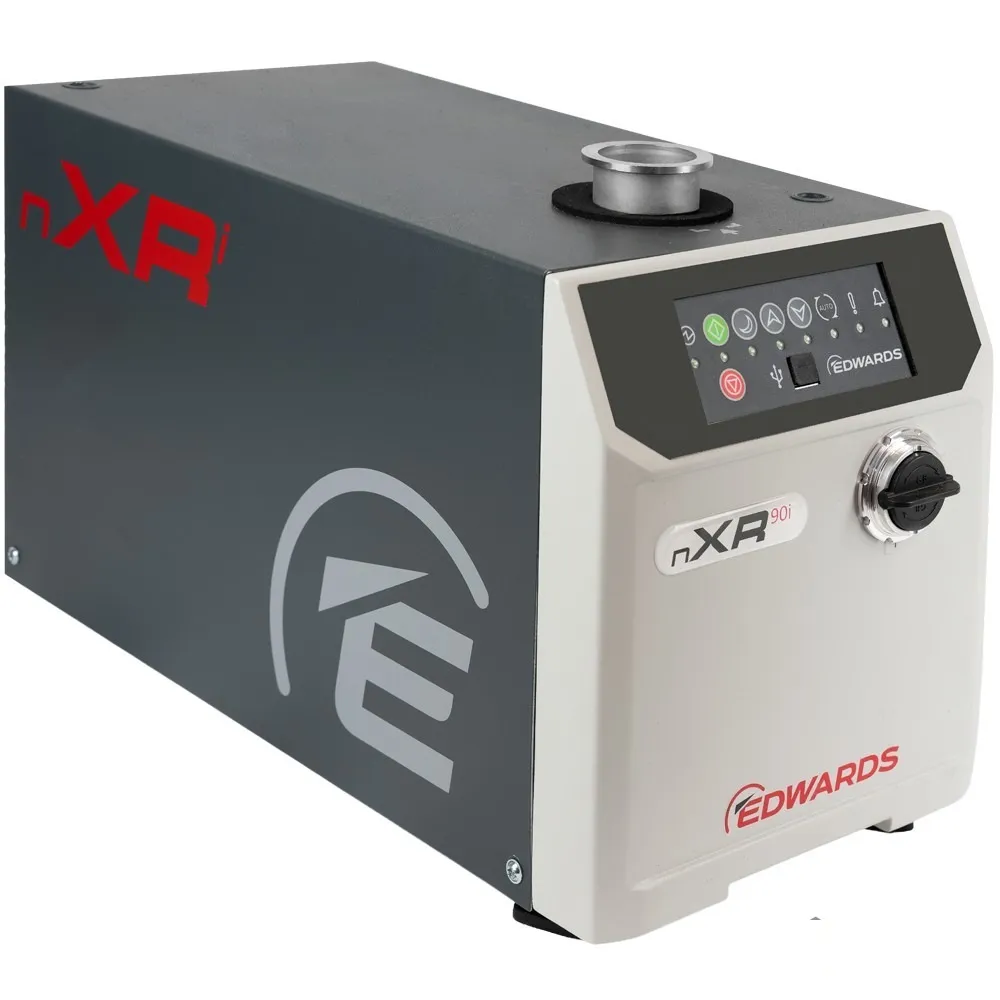
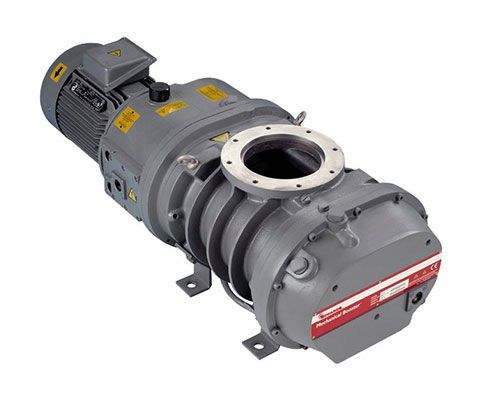
Edwards 14
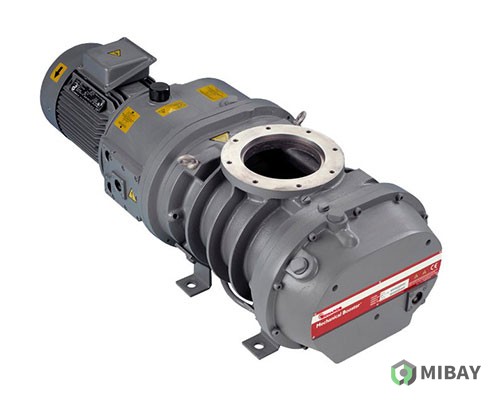
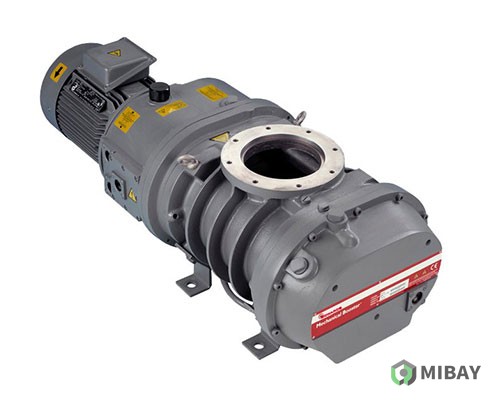
 EquipLead time on quote
EH1200
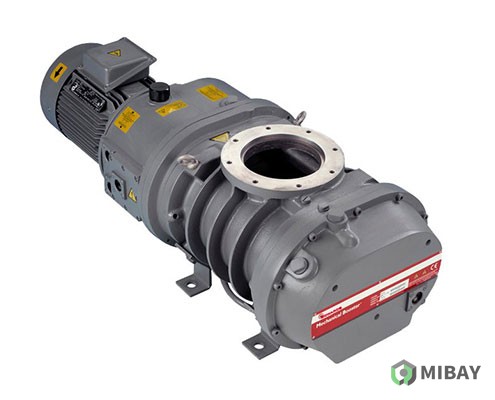
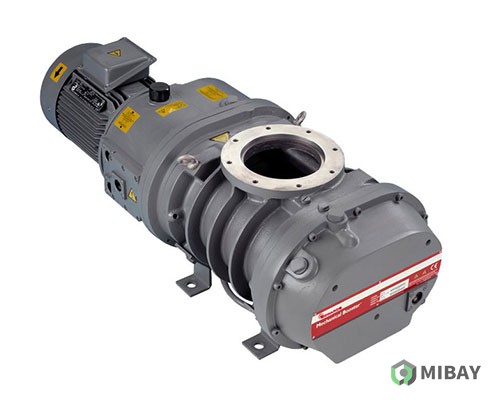
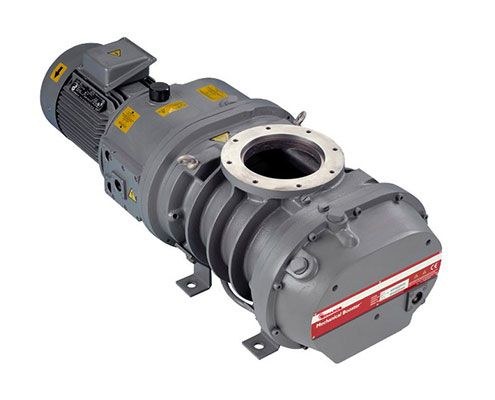
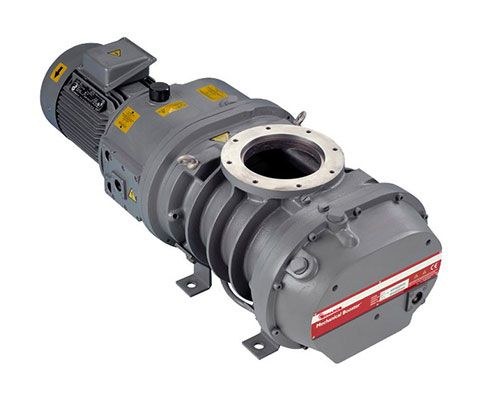
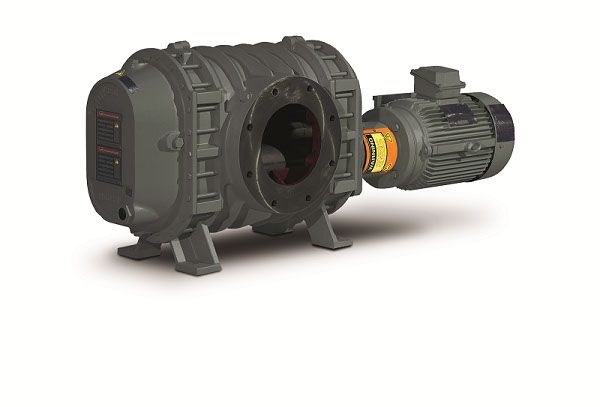
Taixing 13
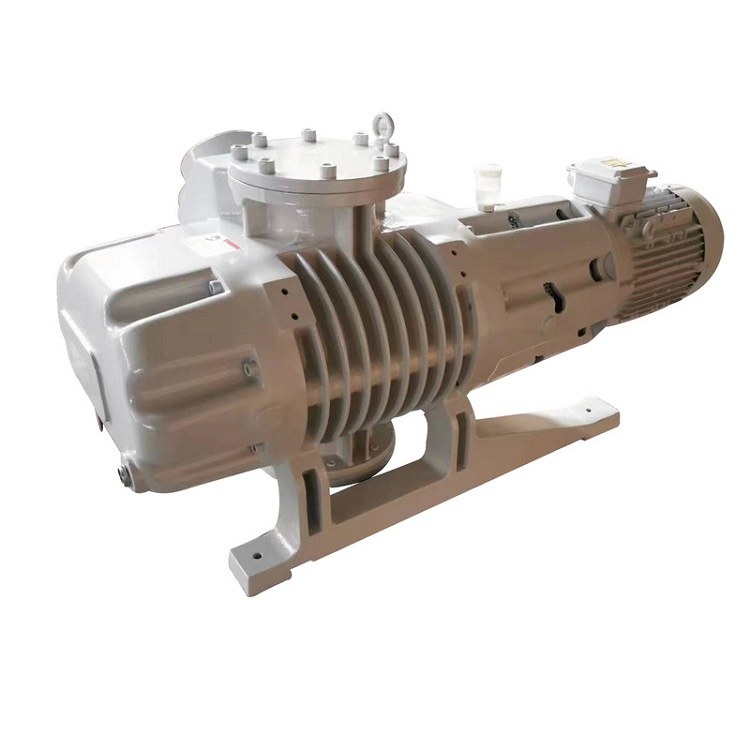
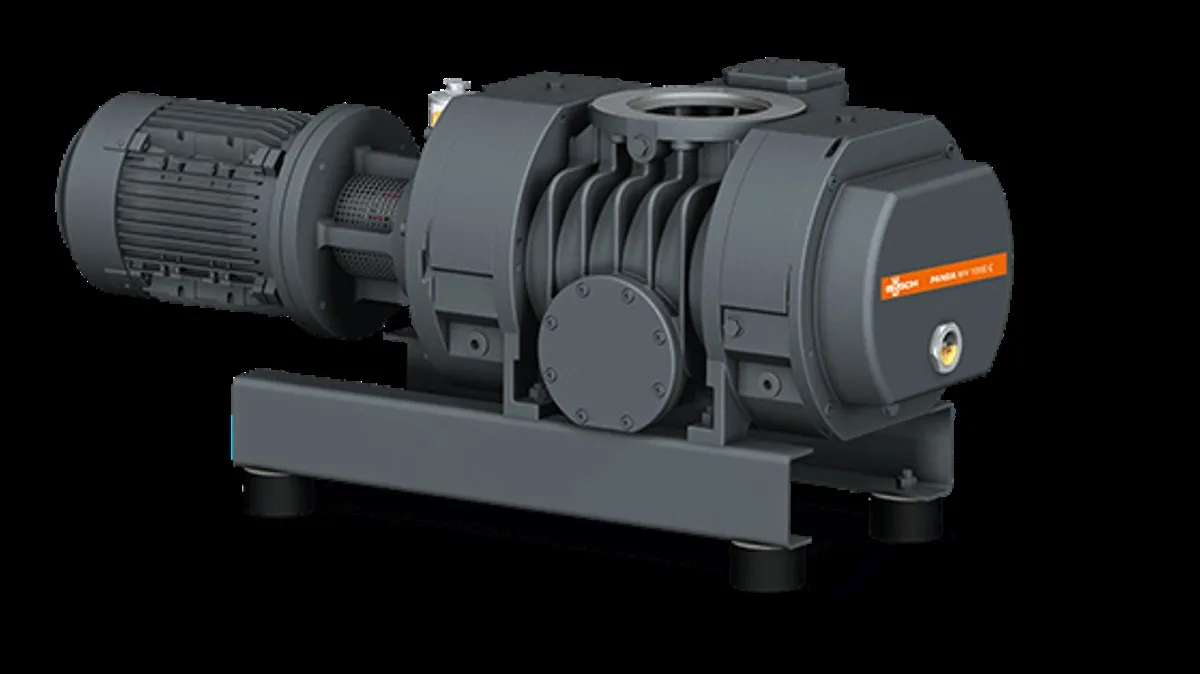
Busch 6
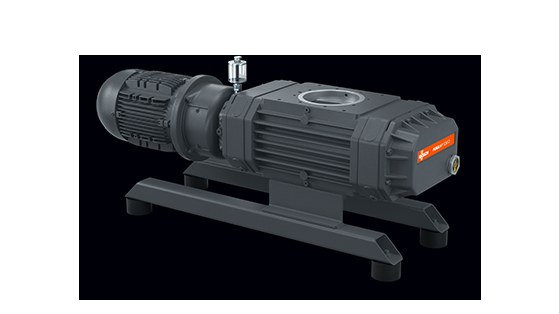
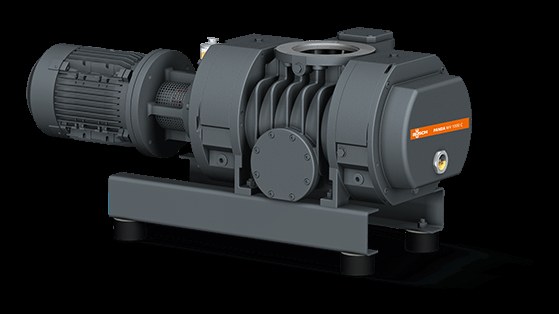
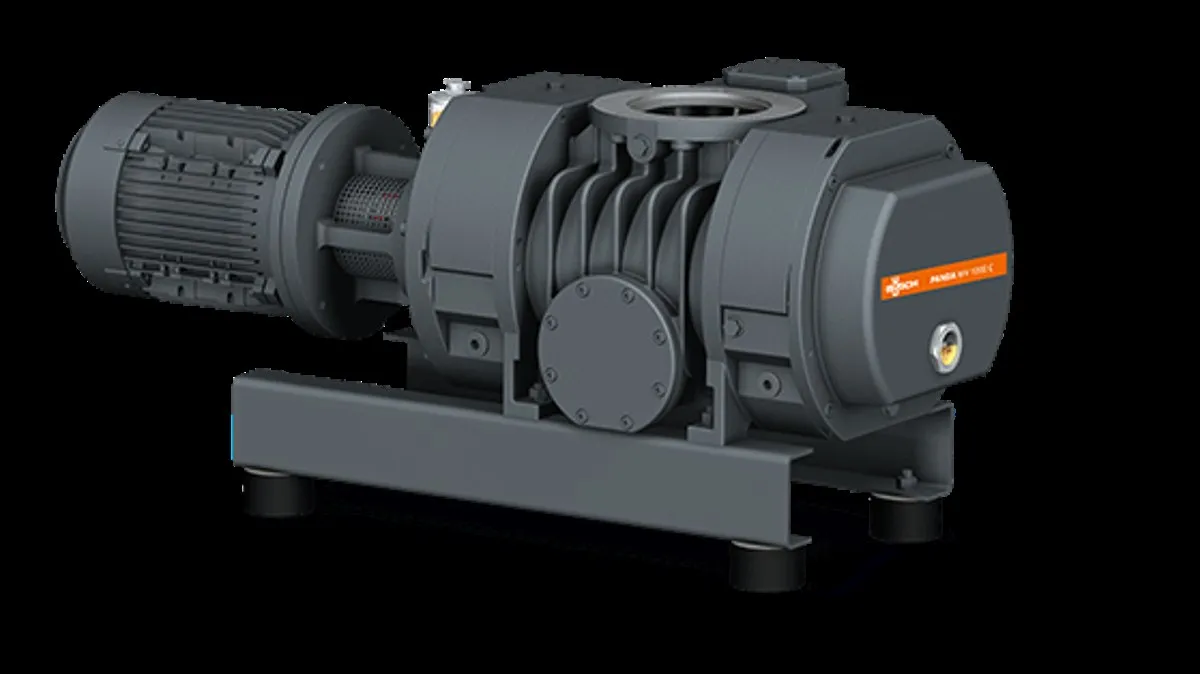
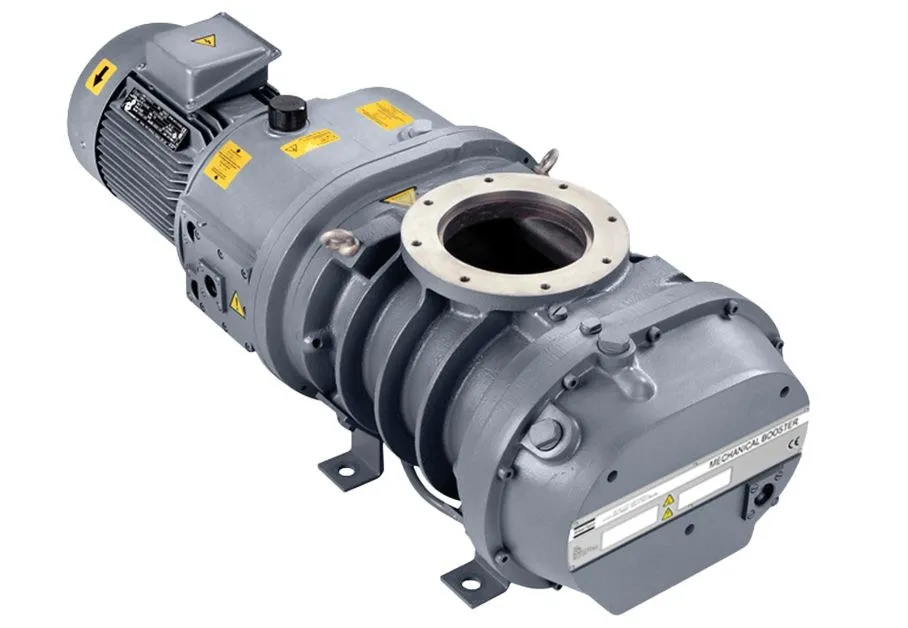
Atlas Copco 3
Other brands 6
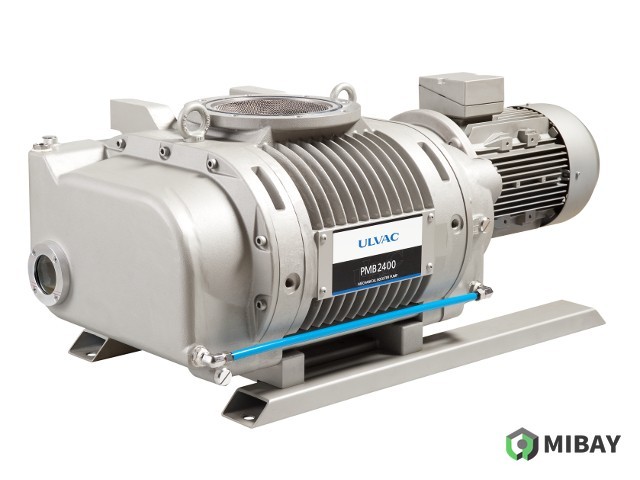
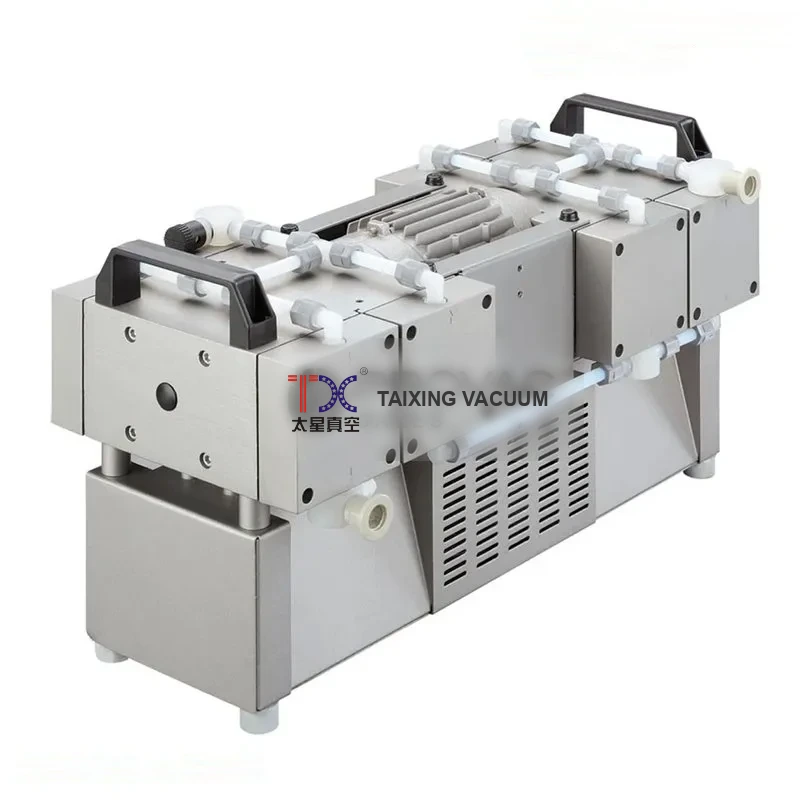
How to choose a Roots vacuum booster
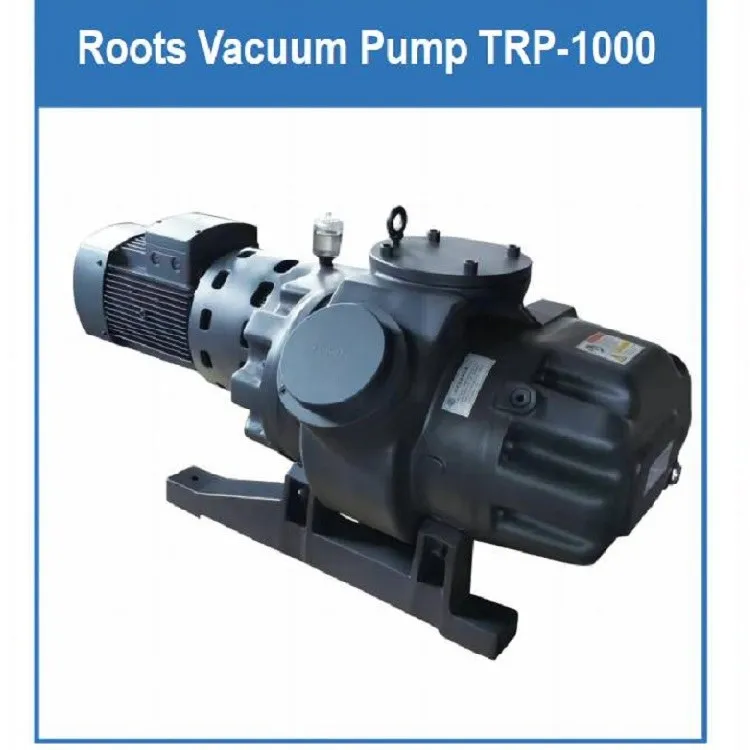
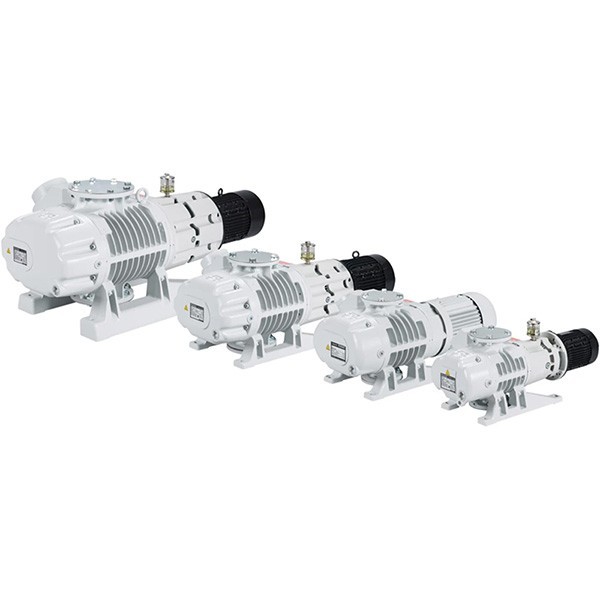
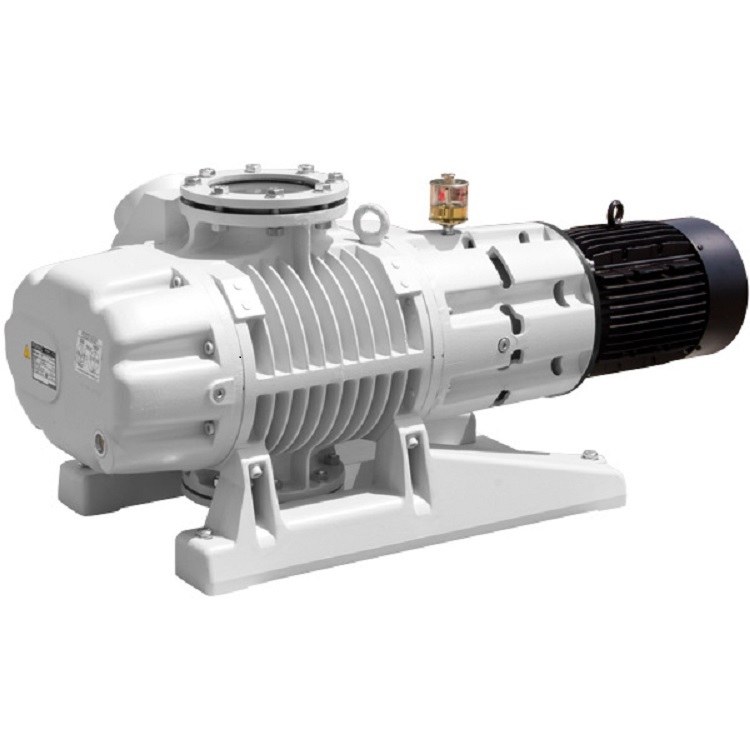
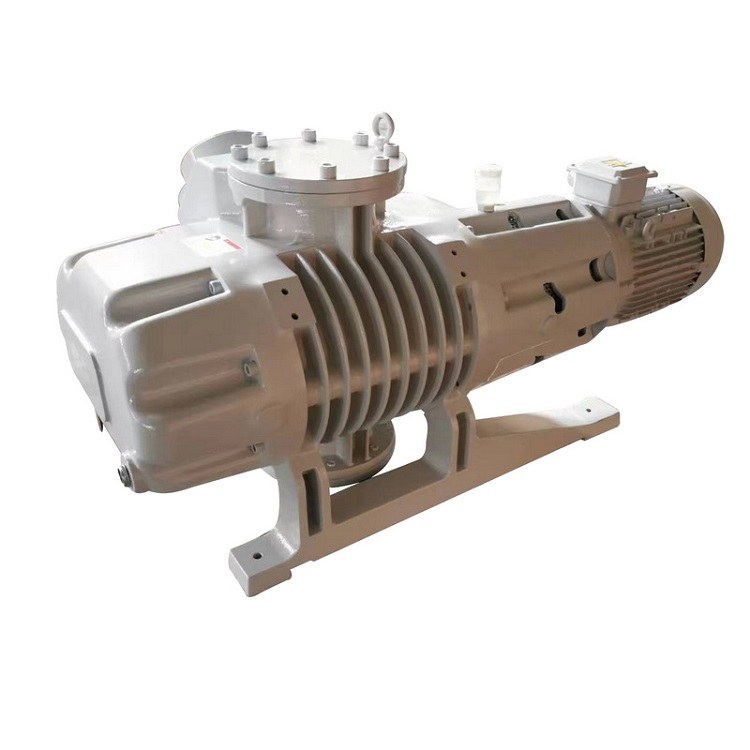
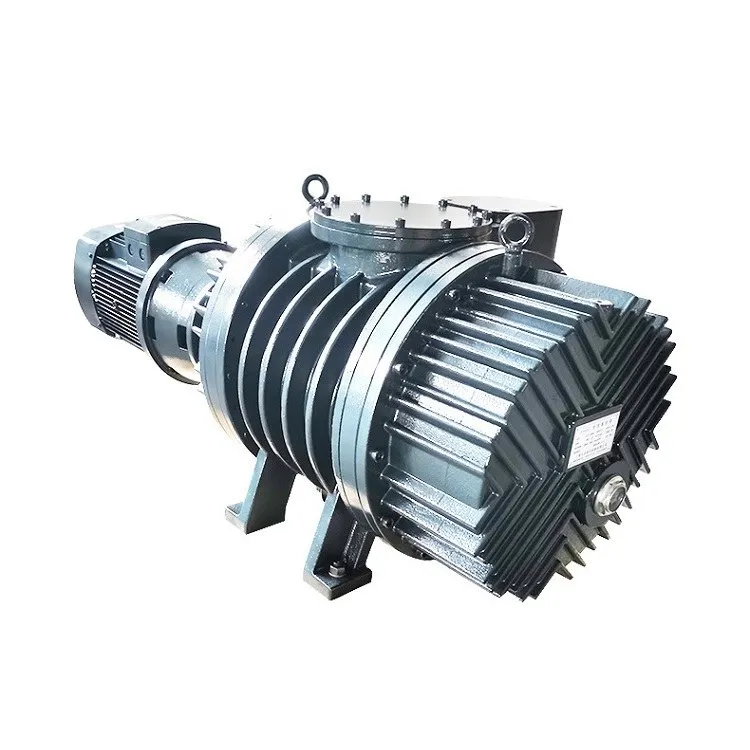
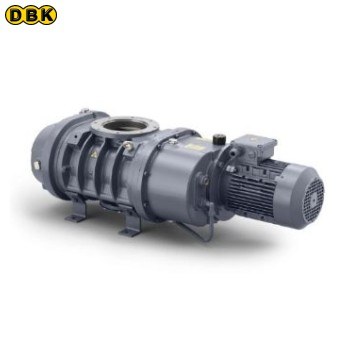
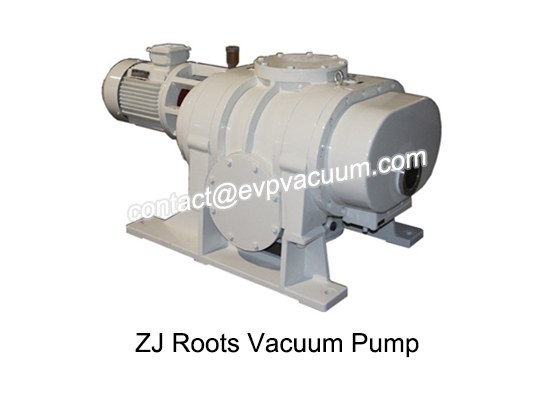
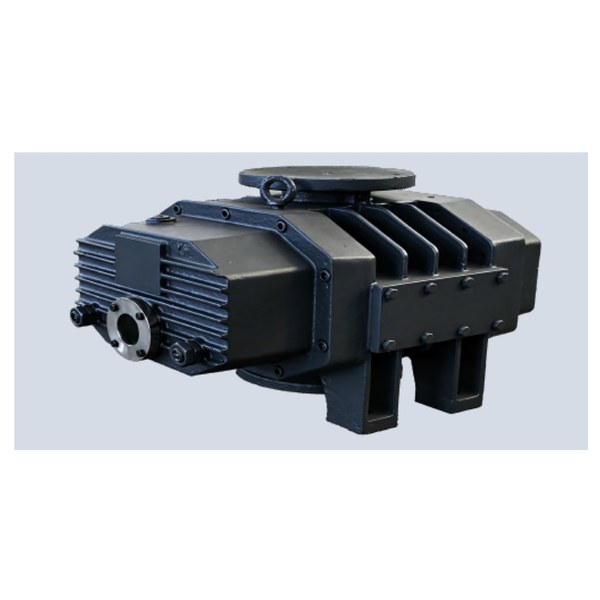
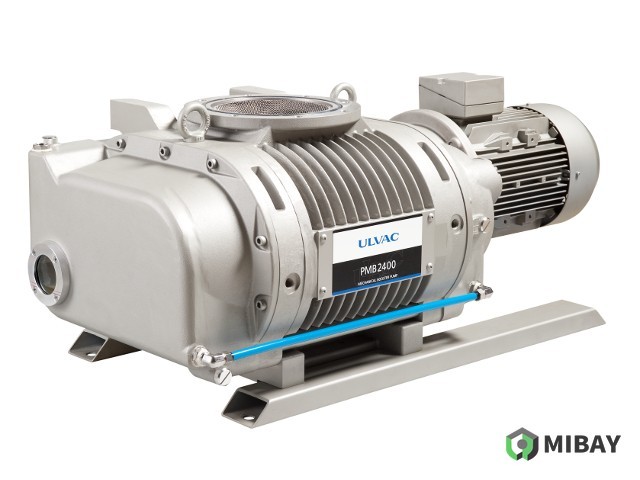
A Roots pump (mechanical booster) has two figure-of-eight lobes rotating in opposite directions with tight clearances and no contact. It cannot exhaust to atmosphere on its own — it always sits on top of a backing pump and multiplies that system's speed, typically by a factor of four to ten, in the pressure range where the backing pump alone has gone slow.
Read the full guide →FAQ
Why does a Roots pump need a backing pump?
A Roots pump has no internal compression against atmosphere — the rotors do not seal, so it can only compress against a already-reduced pressure. The backing pump establishes that pressure and carries the exhaust. Running a Roots pump without one overheats it and the motor overloads.
How do I choose the ratio between Roots pump and backing pump?
A speed ratio of roughly 4:1 to 6:1 (Roots to backing pump) is the common industrial range. A higher ratio gets you a better ultimate pressure but needs a bypass or a variable-speed drive to survive the rough-down phase without tripping on differential pressure.
What is the maximum permissible differential pressure?
It is a per-model figure printed on the data sheet, typically a few thousand Pa for the ZJ/ZJP families, and it is a hard limit — exceeding it overheats the rotors and can seize the pump. This is why the pump is started only after the backing pump has pulled the system down, or is protected by a bypass valve.
ZJ, ZJP or ZJQ — what is the difference?
They are different constructions within the Roots family: they differ in permissible differential pressure, cooling arrangement and sealing, which is what decides the pressure range each one is comfortable in. Note the model number is the pumping speed in L/s, not m3/h — a ZJP-300 is 300 L/s, roughly 1080 m3/h.
Can a Roots pump handle dust or condensable vapour?
Not directly. The rotors run at a small clearance, so particulates cause contact and condensate washes the bearing lubricant out. Fit an inlet filter or knock-out pot for dust, and for vapour either heat the pump body or use a condenser upstream.